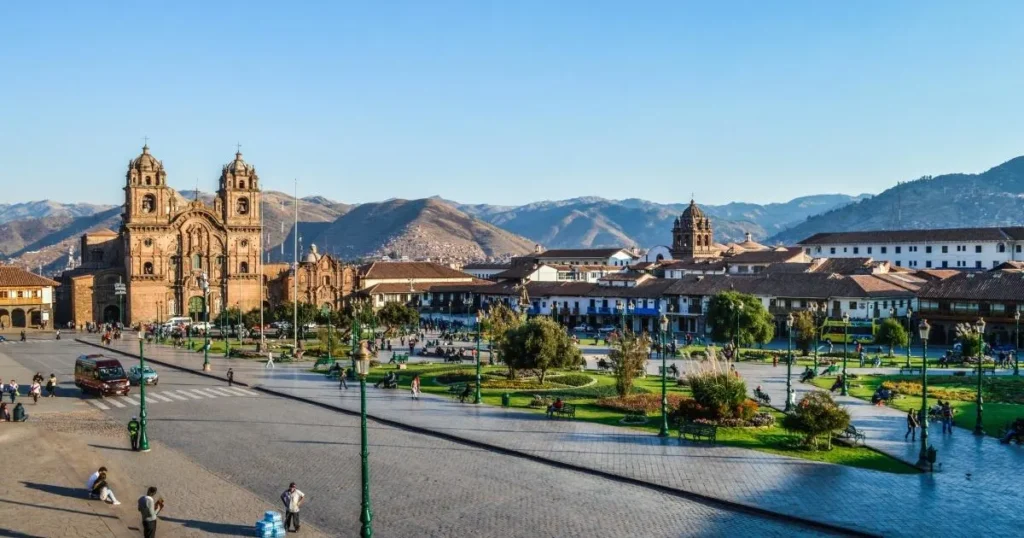
Cusco combines Inca archaeology, colonial architecture, traditional markets, and access to the Sacred Valley. However, a rewarding visit requires more than a list of attractions. Altitude, ticket rules, transport distances, and changing opening hours all affect how much you can comfortably see. This Cusco tourist information guide explains where to get local advice, how to organize sightseeing maps, and how the Cusco Tourist Ticket works.
Whether you are planning a short city break or a longer journey through the Peruvian Andes, the following sections group essential travel information by topic. Start with the city overview, compare ticket circuits, and then use the suggested itineraries to build a realistic schedule.
About Cusco: Essential Background for Travelers
What Is Cusco Known For?
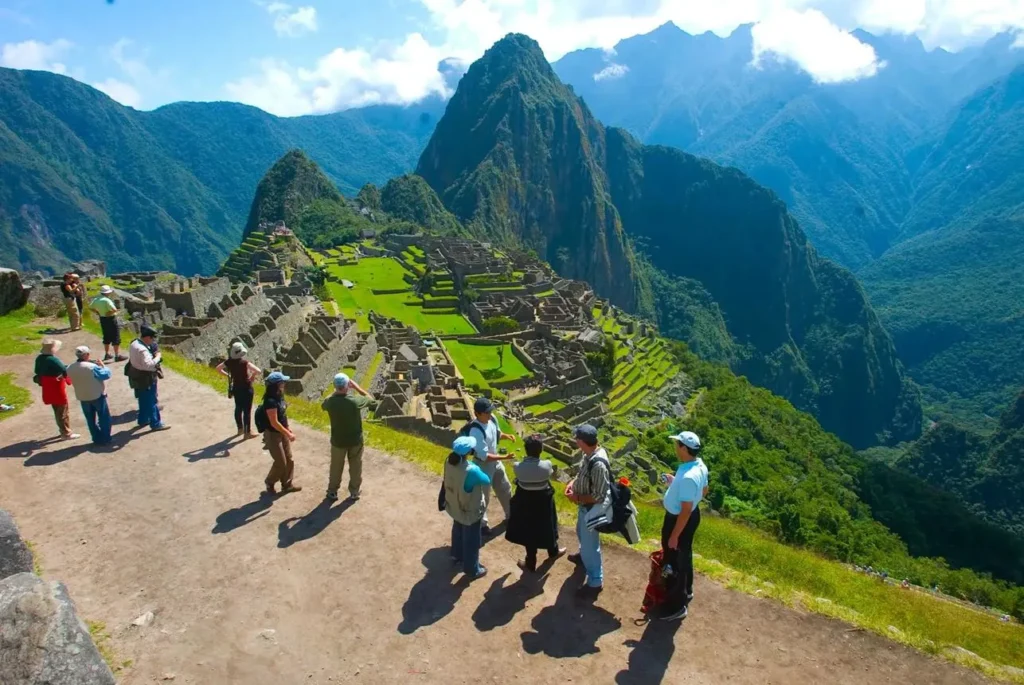
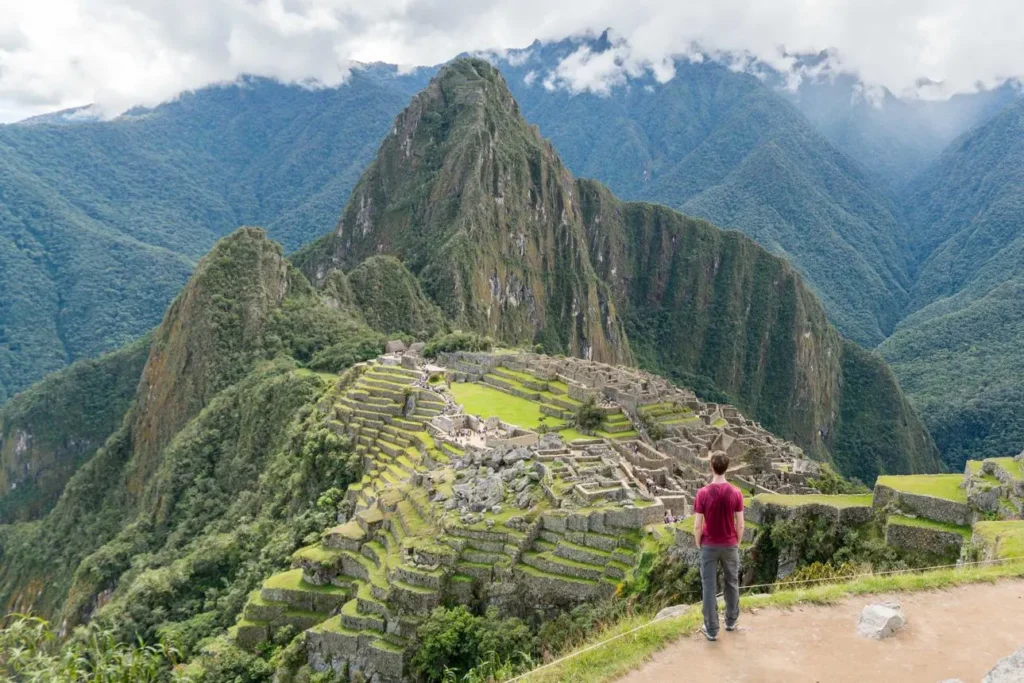
Cusco is best known as the historic capital of the Inca Empire and one of South America’s most important cultural destinations. Its streets reveal successive periods of history: finely fitted Inca stonework supports colonial buildings, while contemporary Andean life continues in markets, workshops, and public celebrations. The surrounding region contains major archaeological sites, agricultural terraces, and mountain communities. Cusco is also a principal starting point for journeys to Machu Picchu, although that attraction requires separate planning and admission.
Inca Heritage, Architecture, and Living Culture
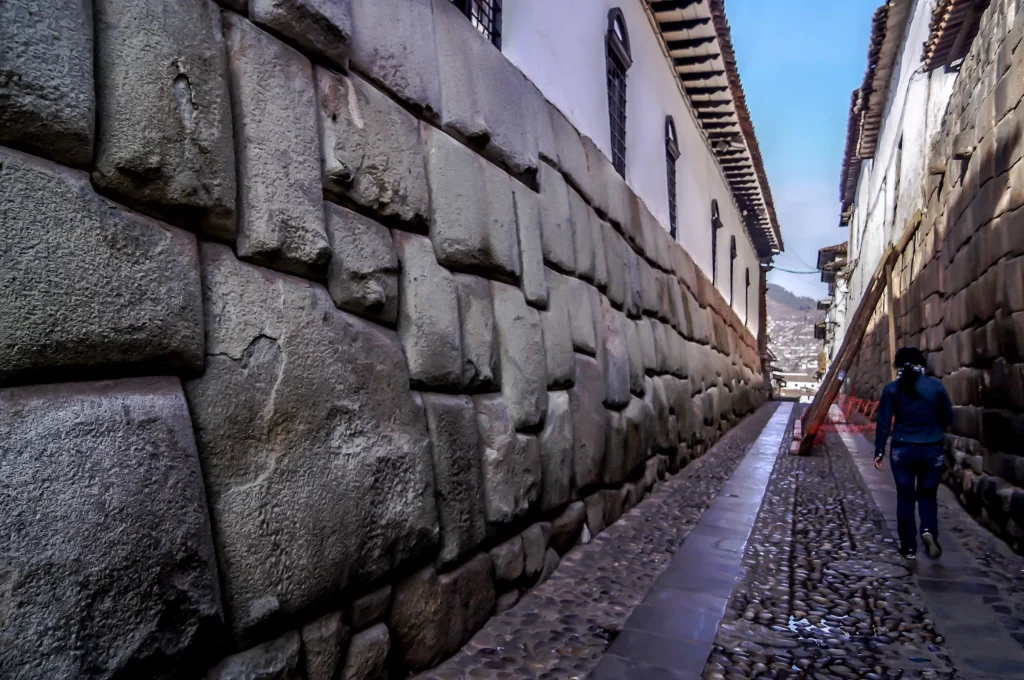
The city’s appeal extends beyond individual monuments. Walking through the historic center reveals stone foundations, courtyards, carved doorways, and streets adapted to steep terrain. Quechua language, weaving traditions, regional food, and agricultural customs remain part of everyday life. When visiting churches, museums, or archaeological sites, allow time to understand their context rather than treating them as photo stops. Respectful photography and purchases from local artisans can make cultural encounters more meaningful.
Is Cusco Worth Visiting?
Cusco is worth visiting if you enjoy history, architecture, mountain landscapes, or culturally rich cities. Even travelers continuing directly to the Sacred Valley benefit from spending time here, provided their schedule allows for altitude adjustment. The city offers enough variety for several days, from archaeological excursions to relaxed neighborhood walks. However, it may feel challenging for visitors who dislike hills, cool nights, crowded peak-season streets, or destinations where transport and admission arrangements require advance attention.
Cusco Tourist Information: Where to Find Reliable Help
Cusco Tourist Information Office
A Cusco tourist information office can help clarify attraction hours, local events, route conditions, and ticket arrangements. Look for clearly identified official visitor-information services rather than assuming every desk displaying “tourist information” is a public office. Some businesses primarily sell excursions. Before making a special trip, confirm the office’s current location and opening hours through your accommodation or verified municipal information. Ask whether the staff provide impartial visitor guidance, ticket sales, or both.
Questions to Ask Before You Start Sightseeing
Use an information-office visit to resolve practical uncertainties that maps and old travel articles cannot answer. Ask about temporary closures, holiday schedules, transport interruptions, and whether particular ticketed venues are currently receiving visitors. If you have limited time, explain your arrival date, available days, and mobility needs. This helps staff suggest realistic routes rather than an overly ambitious list of attractions.
- Which archaeological sites and museums are open today?
- Where is the nearest authorized tourist-ticket sales point?
- Are there temporary changes to ticket inclusions or validity?
- Which routes are suitable for walking, and which require transport?
Cusco Tourist Information Center
The terms Cusco tourist information center and tourist information office are often used interchangeably. Their services can nevertheless differ: one location may distribute maps and answer questions, while another handles specific visitor services. Do not assume an information center sells the Cusco Tourist Ticket or arranges transport. For assistance, carry your accommodation address, travel dates, and a short list of priorities. Request written details for important arrangements, especially departure points and ticket conditions.
Cusco Tourist Information Map: Understanding the Layout
Using a Cusco Tourist Information Map
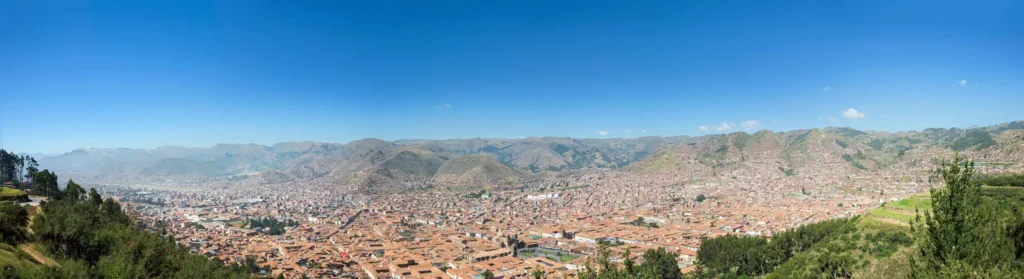
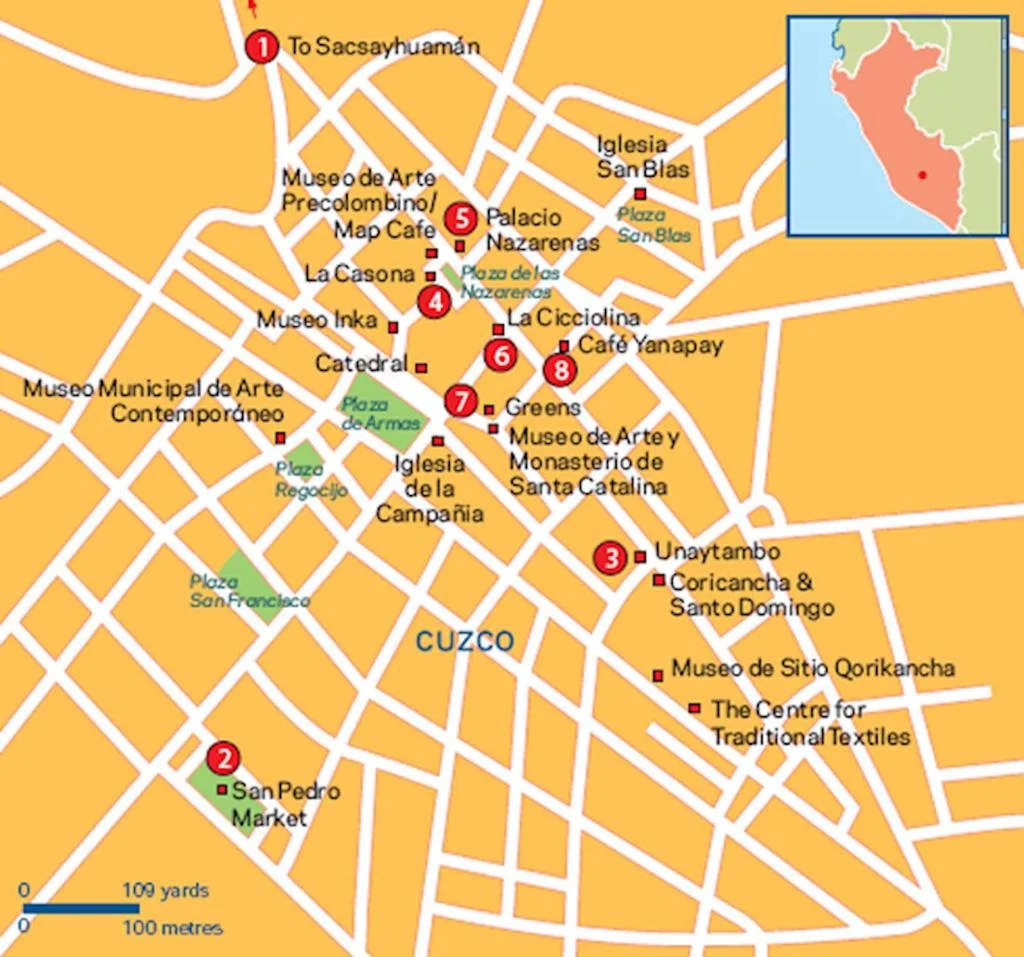
A useful Cusco tourist information map should show the historic center, archaeological sites above the city, transport departure areas, and routes into the Sacred Valley. Save an offline map before heading out, since mobile reception can weaken outside urban areas. Check elevation and walking gradients as carefully as distance: a short uphill route can feel demanding at altitude. Treat the geographical groupings below as a planning overview, not a turn-by-turn navigation map.
Historic Center and Walkable Attractions
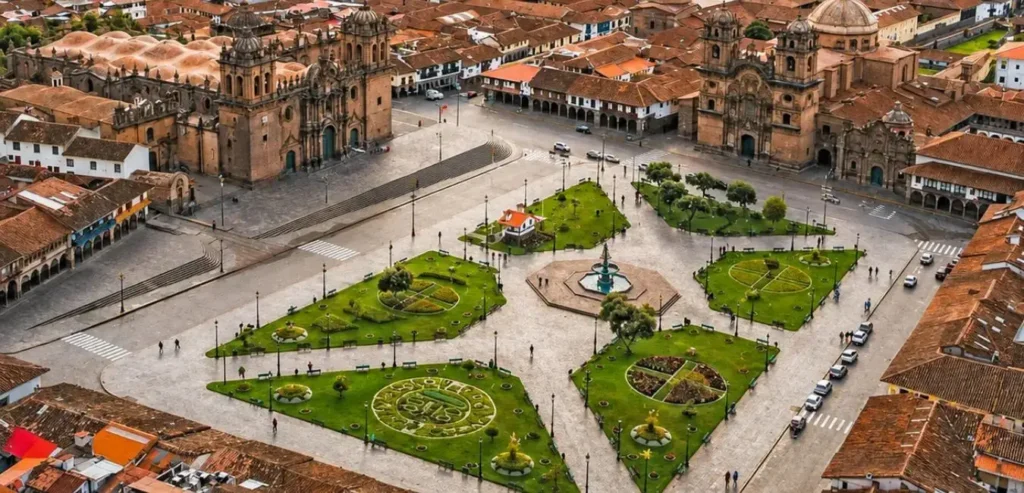
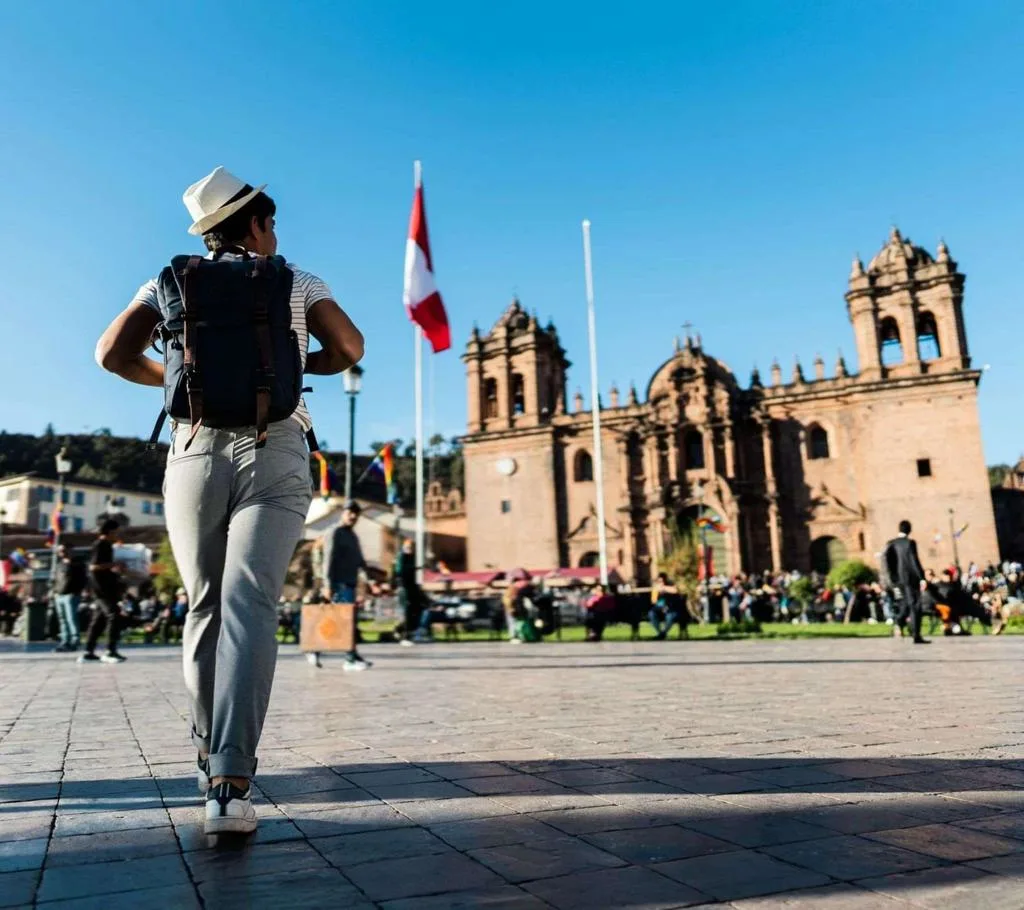
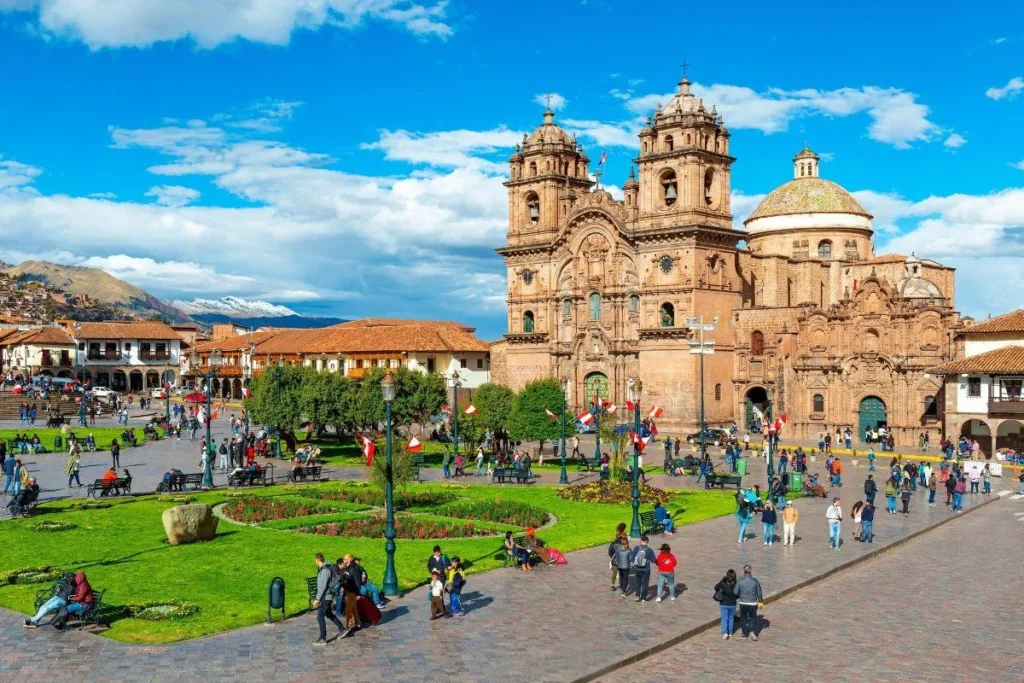
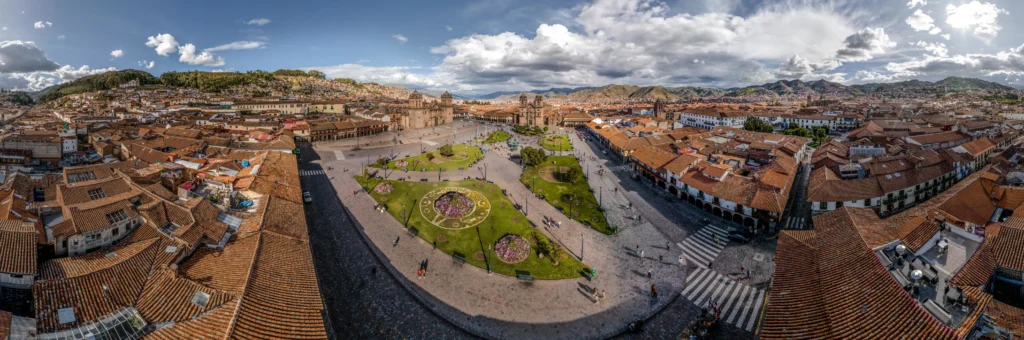
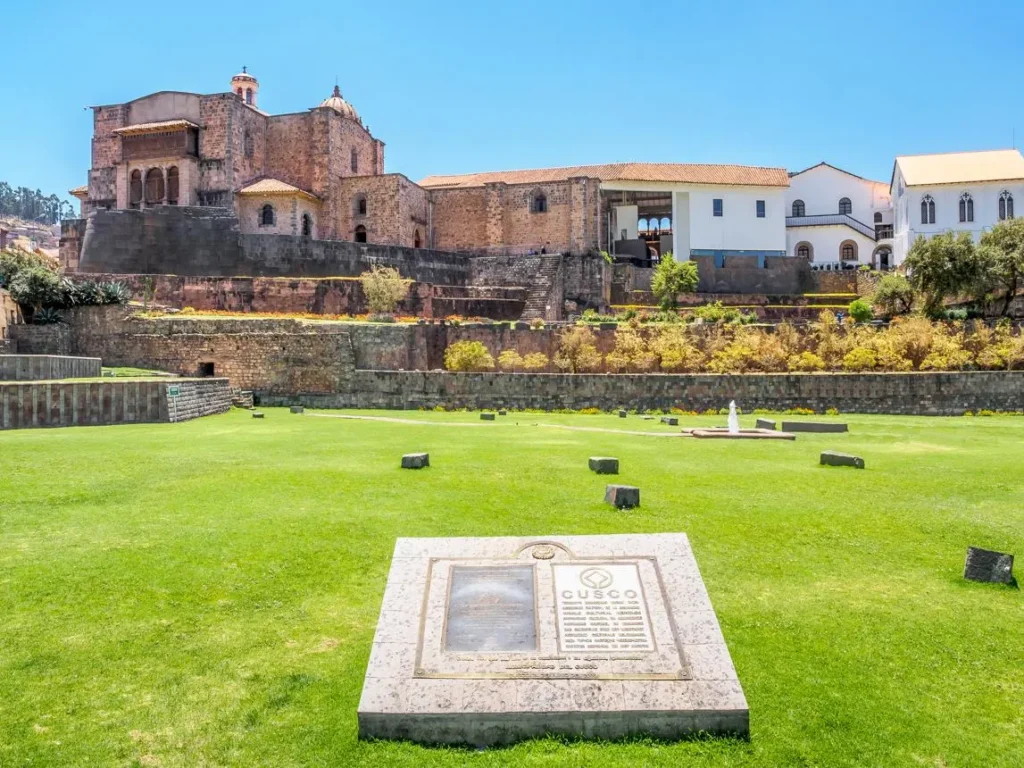
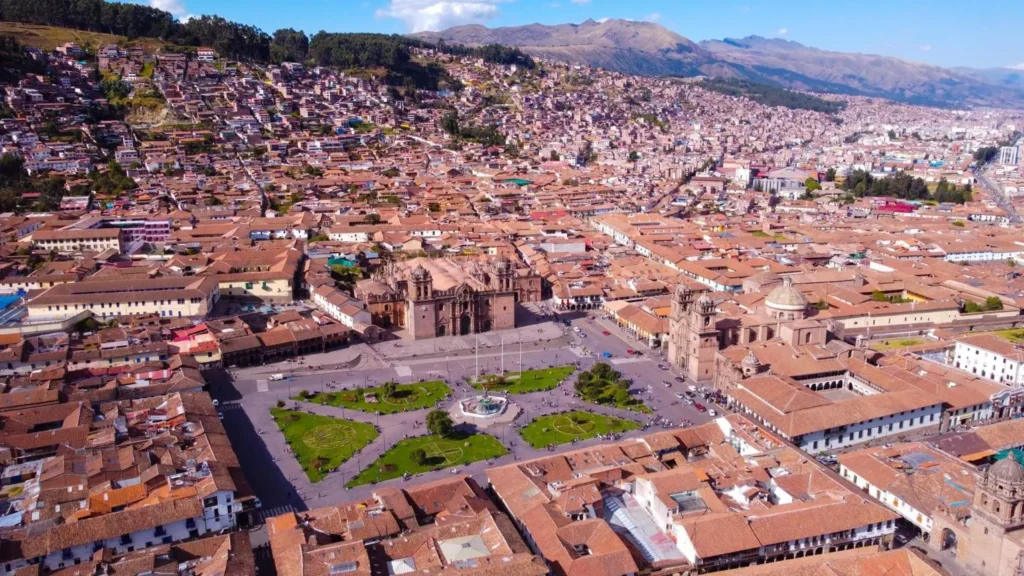
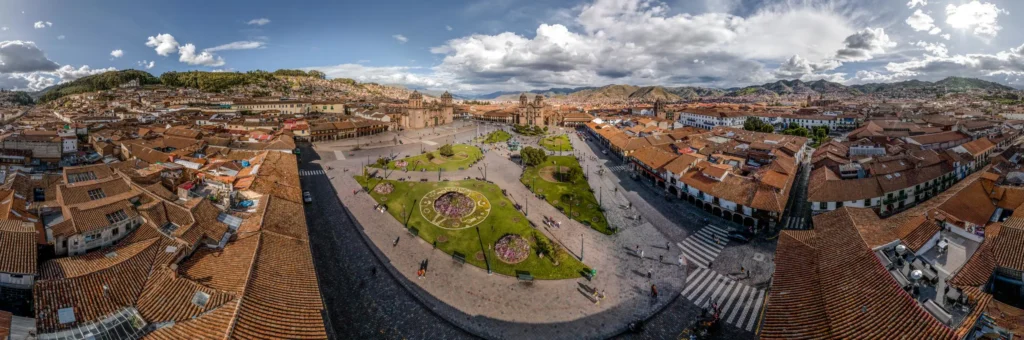
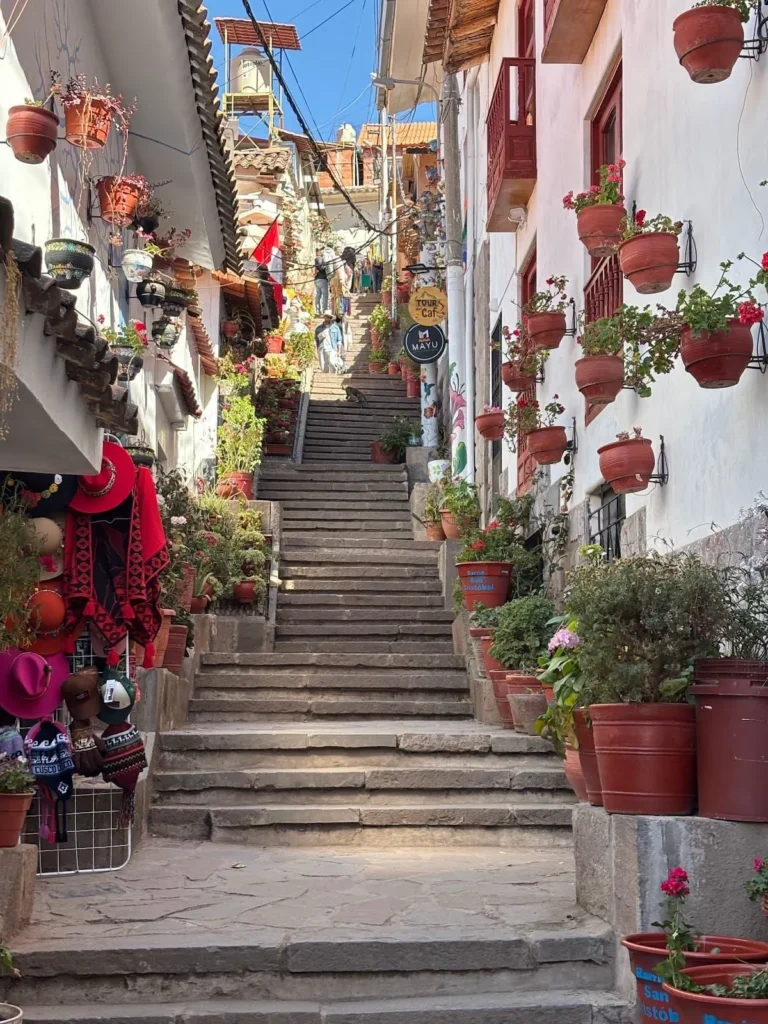
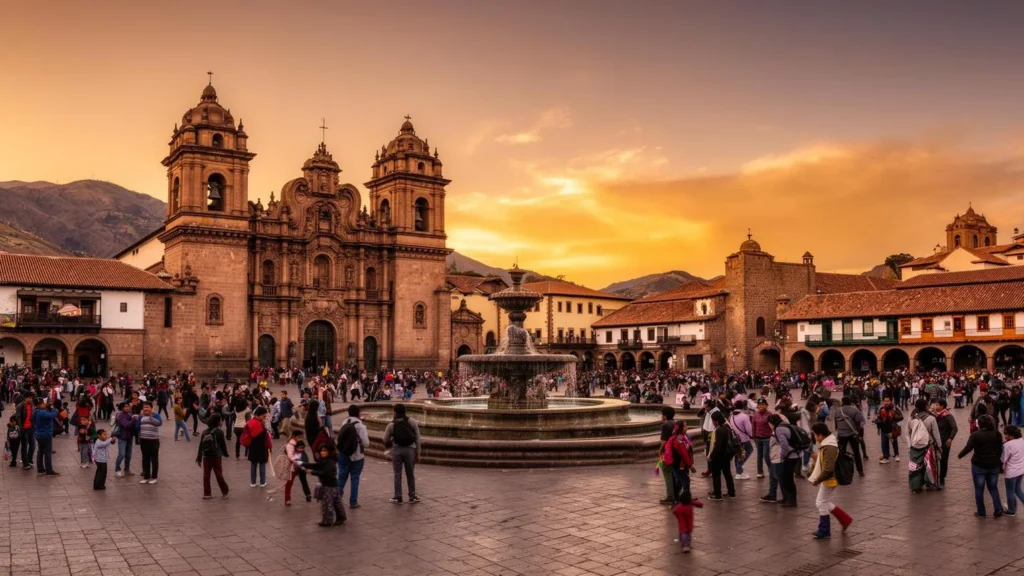
The Plaza de Armas provides an easy reference point for central sightseeing. From this area, visitors commonly explore surrounding streets, the San Blas neighborhood, San Pedro Market, and the area around Qorikancha. Many central attractions can be combined on foot, but cobblestones, traffic, and steps slow progress. Mark your accommodation and a few familiar landmarks on your map, and allow breaks instead of calculating your day solely from walking distances.
Sites Above Cusco and Beyond the City
Sacsayhuamán, Qenqo, Puka Pukara, and Tambomachay sit above the city and are usually grouped into one excursion. Pisac, Ollantaytambo, Chinchero, and Moray belong to wider valley itineraries, while Tipón and Pikillacta lie along the southern sightseeing corridor. These clusters require different transport plans. Seeing attractions close together on a regional map does not guarantee quick transfers, particularly when mountain roads, town traffic, or multiple stops are involved.
Cusco Tourist Ticket Map
A Cusco Tourist Ticket map highlights attractions included in the sightseeing pass rather than every major landmark in the region. This distinction matters because some famous places require separate tickets. Use the ticket map alongside a general travel map, marking included sites in one group and separately charged attractions in another. The result is a clearer budget and a more practical route, especially when combining city visits with Sacred Valley excursions.
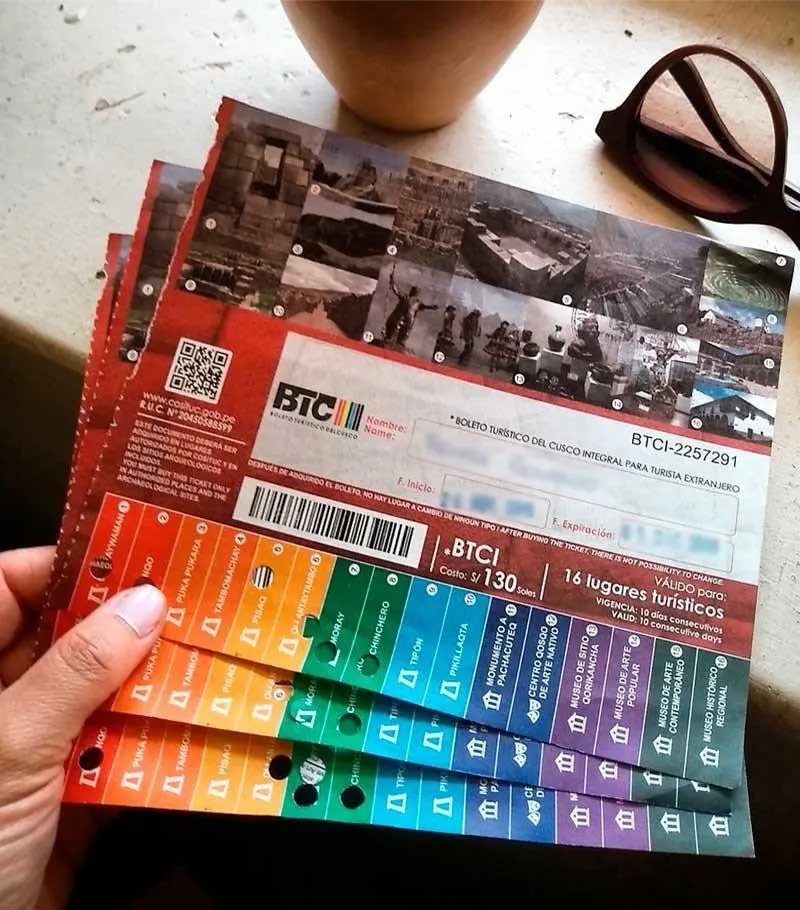
- Upper Cusco cluster: Sacsayhuamán, Qenqo, Puka Pukara, and Tambomachay.
- City and southern cluster: selected cultural venues, Tipón, and Pikillacta.
- Sacred Valley cluster: Pisac, Ollantaytambo, Chinchero, and Moray.
Cusco Tourist Ticket: Types, Prices, and Conditions
What Is the Cusco Tourist Ticket?
The Cusco Tourist Ticket, also called the Boleto Turístico del Cusco, is a combined admission pass for a defined selection of archaeological and cultural attractions. It is not a universal city pass and does not include all churches, museums, transport, or guided services. Travelers generally choose between a comprehensive ticket covering the full listed selection and partial tickets covering individual circuits. Choose according to your actual itinerary, not simply the number of attractions advertised.
Comprehensive Ticket and Typical Validity
The comprehensive ticket traditionally includes 16 attractions and is generally valid for 10 consecutive days. It is usually the more practical option for visitors combining upper Cusco ruins, Sacred Valley sites, and selected museums. A commonly published international adult price has been S/130, but this should be treated as a budgeting reference rather than a guaranteed current rate. Confirm the price, validity dates, and included venues before paying.
Partial Tickets and Typical Prices
Partial tickets cover a single circuit and generally cost less than the comprehensive pass. A commonly published international adult price has been S/70 per circuit. Circuit 1 has traditionally allowed one day, while Circuits 2 and 3 have generally allowed two consecutive days. Check how the validity period is recorded when purchasing. If your plans span two circuits, compare the combined partial-ticket cost against the comprehensive ticket before making a decision.
Discounts, Identification, and Entry Rules
Different rates or eligibility conditions may apply to Peruvian visitors, qualifying students, and children. Requirements can include original identification, age limits, and accepted student documentation. Do not assume that any student card qualifies. Tickets are generally personal and nontransferable, with individual attractions typically allowing one admission rather than unlimited re-entry. Keep the ticket intact and protected from rain, and carry the identification required for your ticket category.
What the Tourist Ticket Does Not Include
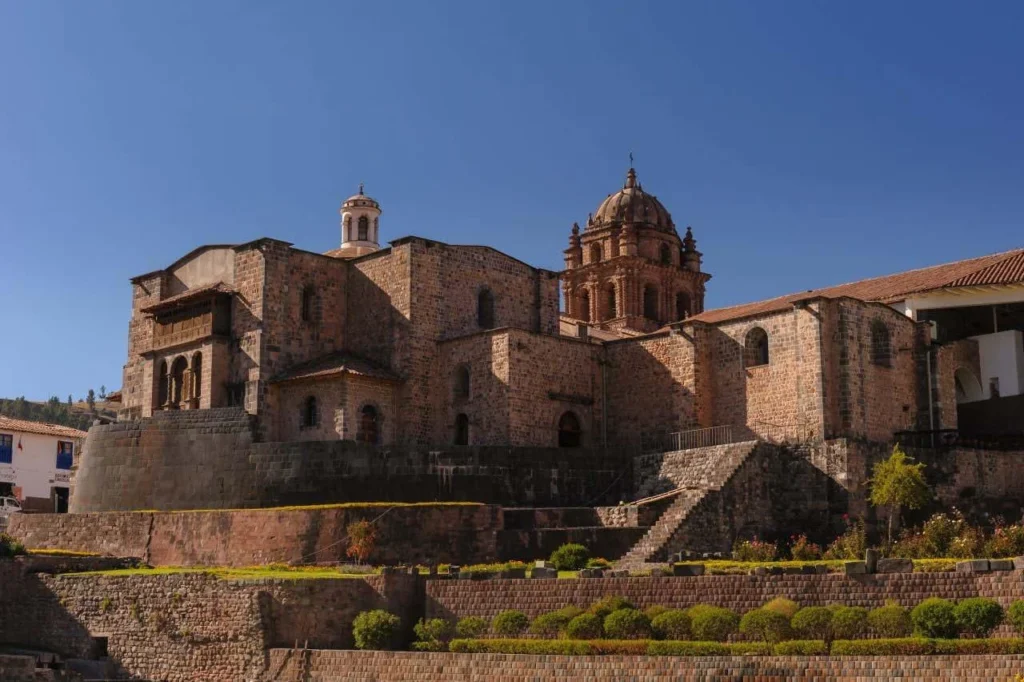
The standard tourist ticket does not include Machu Picchu, train journeys, most transport, guides, or meals. Cusco Cathedral, the main Qorikancha temple complex, and the Maras salt ponds also normally require separate admission arrangements. A similarly named museum and temple may have different entry conditions, so read the inclusion list carefully. Paying for a sightseeing excursion does not automatically mean the tourist ticket is included in the excursion price.
Where to Buy the Cusco Tourist Ticket
Buying at Authorized Sales Points
If you are wondering where to buy the Cusco Tourist Ticket, the usual options are designated sales offices in Cusco and ticket facilities at many participating attractions. Availability is not identical at every venue, and smaller locations may have limited services. Ask an official information office to confirm the most convenient authorized point for your route. Buying before a busy sightseeing morning can reduce uncertainty, especially when your first stop is outside the city.
Payment and Purchase Preparation
Carry Peruvian soles and do not depend entirely on card payment, which may be unavailable or affected by connectivity. Have identification ready, particularly if claiming a reduced rate. Before leaving the counter, check the ticket type, printed or marked dates, and any personal details. Keep the receipt if one is issued. Photographing the ticket may help with your records, but a photograph should not be assumed to replace the original at entry.
Cusco Tourist Ticket Online
Searching for “Cusco Tourist Ticket online” can produce offers with very different conditions. Some listings may involve ticket collection, delivery, or a sightseeing package rather than a directly issued digital admission pass. Do not assume online purchase is officially available simply because a checkout page exists. Confirm the current authorized purchasing arrangements locally, and establish exactly what you receive, when the ticket becomes valid, and whether the physical original is required.
Checks Before Making an Online Payment
Before paying online, verify the seller’s authorization, total cost, cancellation conditions, and collection procedure. Ask whether service charges are added and whether the ticket is comprehensive or circuit-specific. Be especially cautious about promises of skip-the-line access or inclusions that contradict the standard ticket rules. If authorization or delivery cannot be confirmed, purchasing through an established authorized counter is a more straightforward option.
Cusco Tourist Ticket Sites and Circuits
Understanding Cusco Tourist Ticket Circuits
Cusco Tourist Ticket circuits organize attractions into geographical and cultural groups. Circuit 1 covers the principal archaeological sites above Cusco; Circuit 2 combines selected city venues with southern archaeological stops; Circuit 3 covers major Sacred Valley sites. These are admission groupings, not mandatory guided routes. You arrange your own transport and timing, and you do not need to visit every included location. Individual venues can close temporarily without changing your broader sightseeing priorities.
Cusco Tourist Ticket Circuit 1
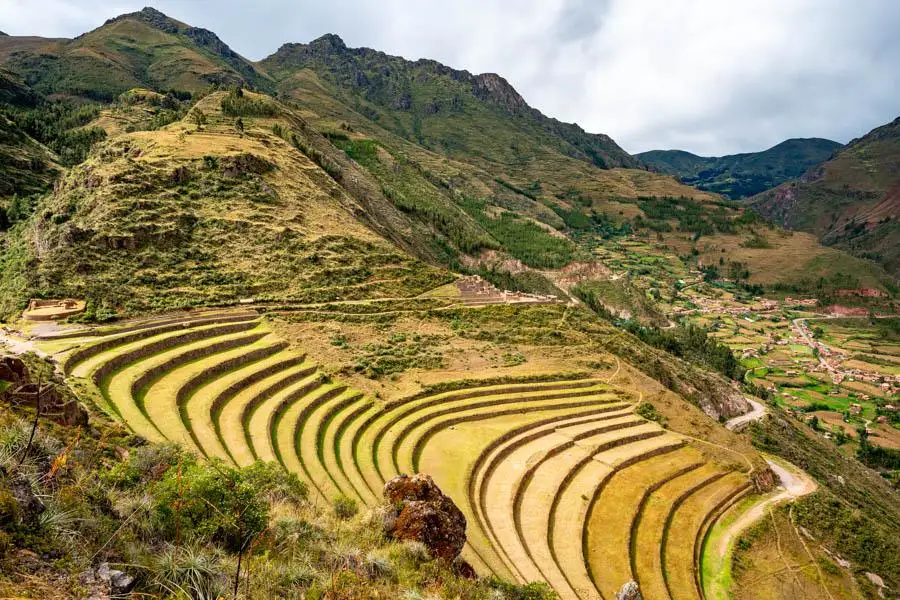
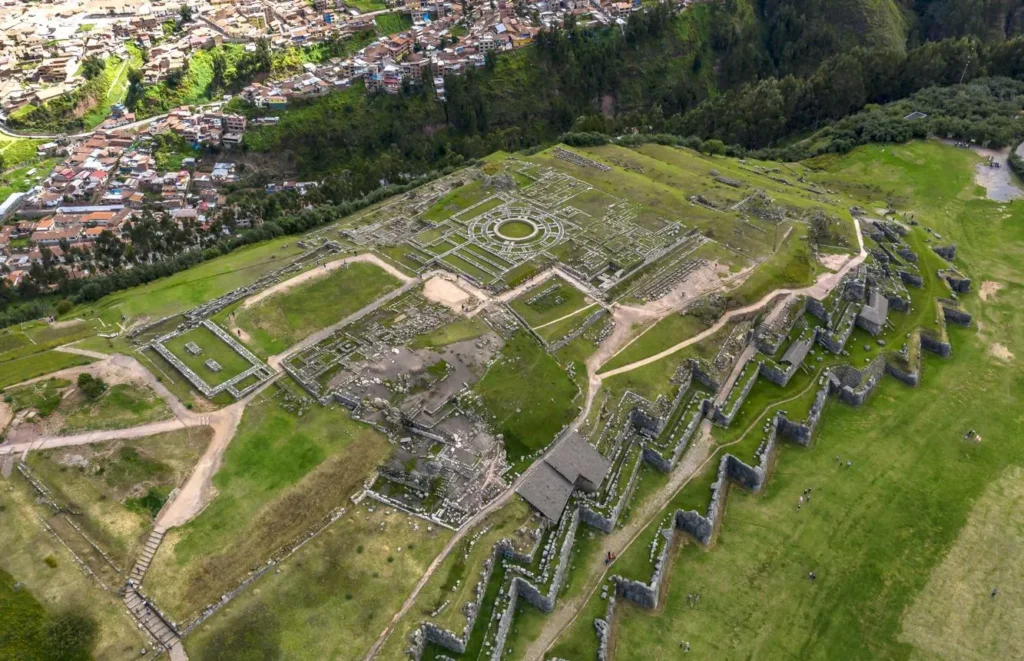
Cusco Tourist Ticket Circuit 1 includes Sacsayhuamán, Qenqo, Puka Pukara, and Tambomachay. It suits travelers who want a concentrated introduction to Inca sites near the city without committing to a longer regional itinerary. Allow approximately half a day, or longer if you enjoy detailed interpretation and photography. Because these sites sit higher than central Cusco, avoid scheduling an energetic walking circuit immediately after arriving from a low-altitude destination.
Sacsayhuamán and Qenqo
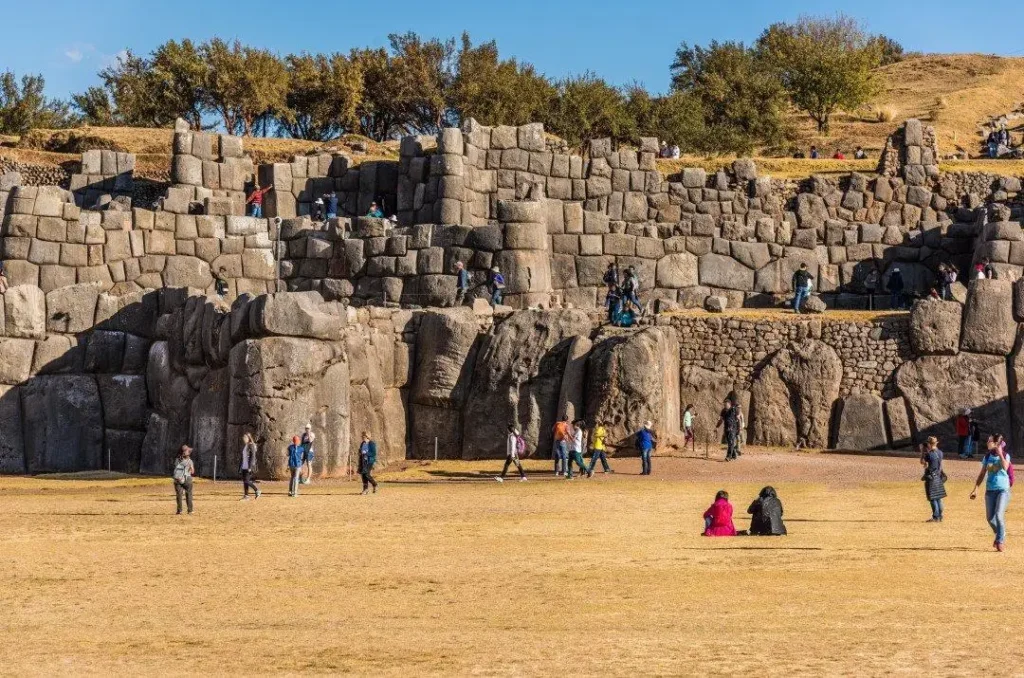
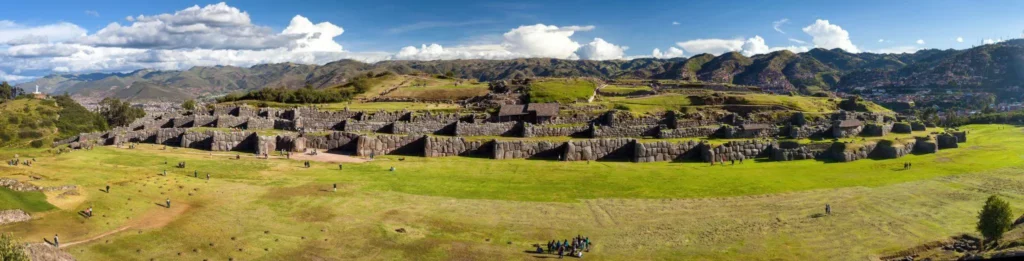
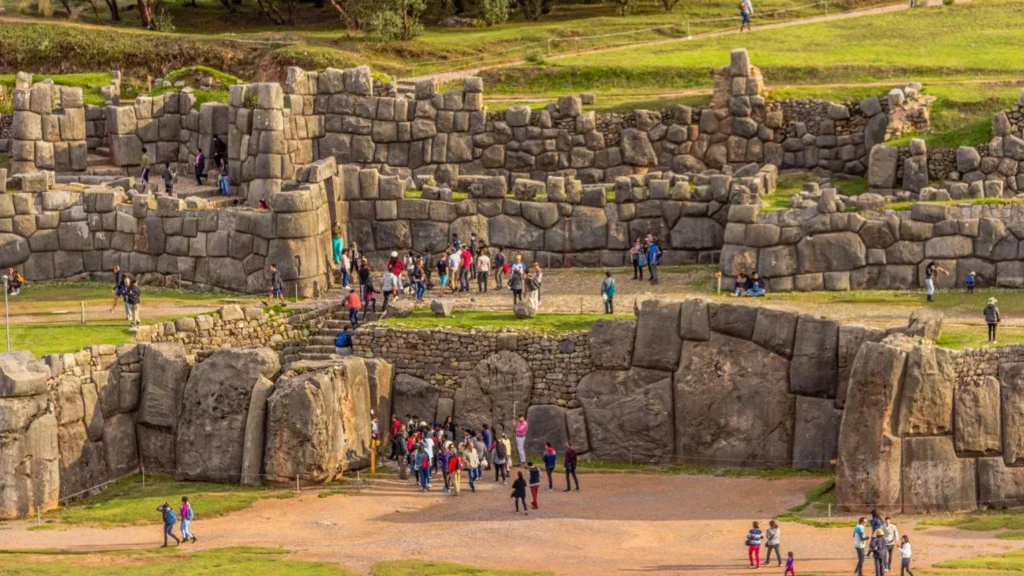
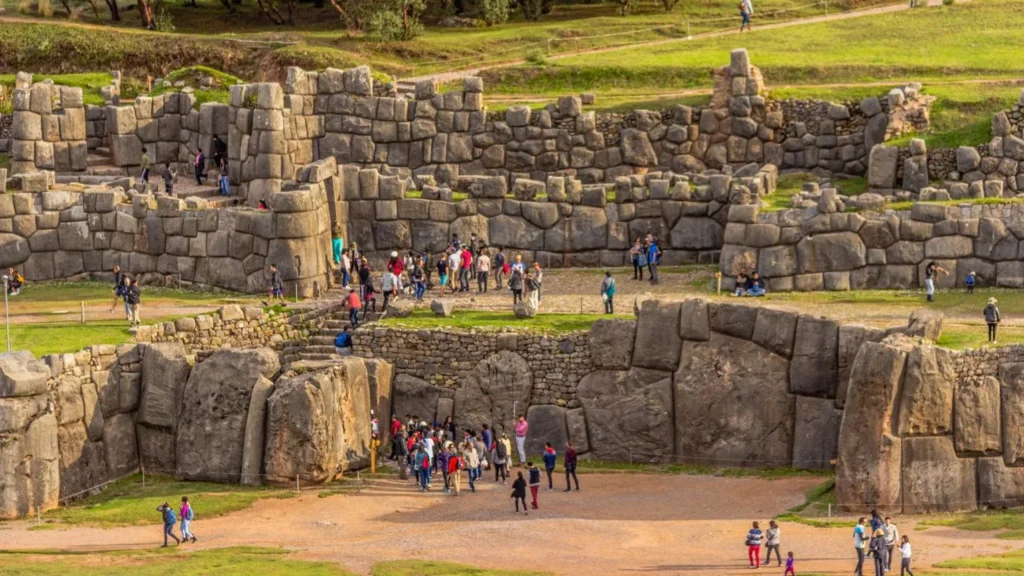
Sacsayhuamán is renowned for its immense fitted stone walls, expansive setting, and views toward Cusco. Its scale rewards a slower visit rather than a brief lookout stop. Qenqo offers a different experience, focusing on carved rock features and ceremonial spaces whose interpretation benefits from historical explanation. Together, the two sites illustrate the variety of Inca construction and landscape use. Expect uneven surfaces, steps, and exposure to strong sun.
Puka Pukara and Tambomachay
Puka Pukara occupies a strategic position overlooking surrounding routes and countryside, while Tambomachay is associated with carefully constructed water channels and fountains. Both are usually shorter visits than Sacsayhuamán, making them practical additions to the same outing. Many travelers arrange transport to the farther sites first and work back toward Cusco. However, walking between stops requires attention to traffic, weather, and altitude, so transport remains the easier option for many visitors.
Cusco Tourist Ticket Circuit 2
Circuit 2 combines city-based cultural attractions with Tipón and Pikillacta outside Cusco. It suits travelers interested in museums, regional history, performing arts, and archaeological sites beyond the best-known northern route. Its geography makes it less convenient as one continuous walking itinerary. Divide it into a city session and a southern excursion, checking individual museum hours and performance schedules before deciding whether you can use the partial ticket effectively.
City Museums, Monuments, and Cultural Admission
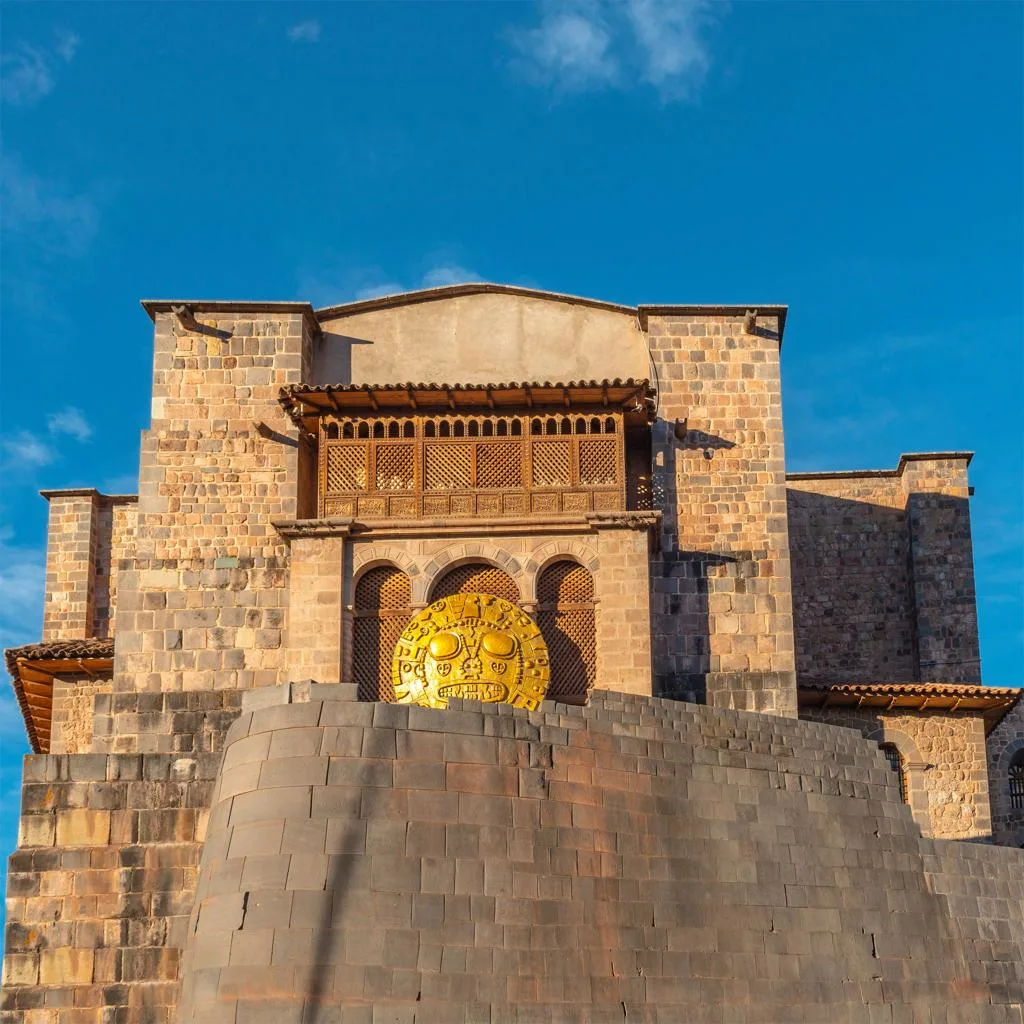
The traditional Circuit 2 list includes the regional history museum, contemporary art museum, popular art museum, Qorikancha site museum, the Pachacutec monument, and admission to a designated traditional music-and-dance venue. These are separate visitor experiences with potentially different schedules. Confirm which are operating during your stay, particularly the site museum. Admission to the Qorikancha site museum should not be confused with entry to the main temple complex.
Tipón and Pikillacta
Tipón is noted for agricultural terraces and sophisticated water management, with channels that demonstrate careful adaptation to the landscape. Pikillacta provides an important contrast through its pre-Inca urban remains and association with the Wari civilization. Visiting both broadens your understanding of regional history beyond the Inca period. Their distance from central Cusco means you should arrange transport in advance and allow enough time to explore without rushing the return journey.
Cusco Tourist Ticket Circuit 3
Circuit 3 includes Pisac, Ollantaytambo, Chinchero, and Moray. It is particularly useful for travelers concentrating on the Sacred Valley rather than city museums. Although a fast itinerary can cover several sites in one day, two days generally provide a more comfortable experience. The partial ticket’s consecutive-day validity makes sequencing important, especially if you are also planning village visits, a train departure, or separately ticketed stops.
Pisac and Ollantaytambo
Pisac’s archaeological area spreads across a mountainside above the modern town, combining terraces, structures, and broad valley views. The town market is a separate experience and does not replace visiting the ruins. Ollantaytambo combines an impressive archaeological complex with a town retaining distinctive historic planning. Both sites involve steps and uneven ground. Allocate several hours rather than treating them as quick roadside stops, particularly during busy travel periods.
Chinchero and Moray
Chinchero is known for its archaeological terraces, highland setting, and living textile traditions. Confirm exactly which areas your ticket covers, since adjacent religious or cultural spaces may operate separately. Moray is distinguished by its concentric terraced depressions, commonly interpreted in relation to agricultural experimentation and microclimates. These locations can be paired geographically, but transfers still take time. Adding the Maras salt ponds requires a separate admission budget.
Is the Cusco Tourist Ticket Worth It?
The Cusco Tourist Ticket is worth it when the attractions you genuinely want to visit match its inclusions and validity. For travelers combining Circuit 1 and Circuit 3, the comprehensive pass can cost less than buying two partial tickets at commonly published international adult rates. However, a longer inclusion list does not automatically mean better value. If your plans focus on free city walks, food, and separately ticketed landmarks, a partial ticket may be sufficient.
- Choose comprehensive admission: when visiting attractions across multiple circuits.
- Choose a partial ticket: when your plans fit one circuit and its validity.
- Wait before buying: when arrival fatigue, weather, or uncertain transport may change your schedule.
Planning Your Visit to Cusco
Best Time to Visit Cusco
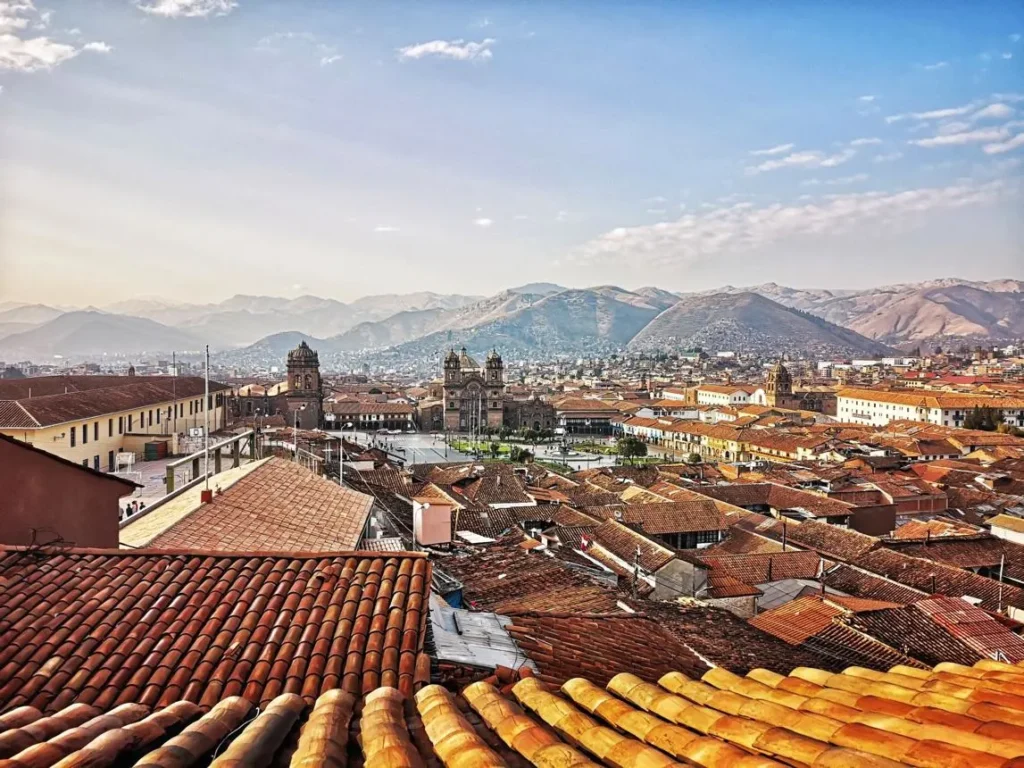
The drier season generally runs from May through September, bringing clearer conditions, cold nights, and heavier visitor demand. November through March is usually wetter, while April and October often offer mixed transitional conditions. Mountain weather remains variable in every season. Carry layers, sun protection, and rain protection, and avoid building an itinerary that depends on uninterrupted sunshine. Major festivals and holiday periods can also affect accommodation availability, traffic, and attraction schedules.
Cusco Altitude and Travel Safety
Cusco stands approximately 3,400 meters above sea level, making acclimatization an essential part of trip planning. Keep your first day gentle, eat comfortably, drink normally, and limit alcohol and strenuous activity. Fitness does not prevent altitude illness. If symptoms worsen, seek medical advice; breathlessness at rest, confusion, or difficulty walking require urgent attention. For everyday safety, secure valuables, use arranged transport after dark when appropriate, and take care on slippery stone streets.
What to See in Cusco in One Day
With one day in Cusco, prioritize the historic center rather than trying to cover every archaeological site. Start around the Plaza de Armas, explore nearby Inca stonework, and continue toward Qorikancha if its history interests you. After lunch, choose San Pedro Market or a gentle San Blas walk. If you are already acclimatized, Sacsayhuamán can replace part of the afternoon. Newly arrived visitors should favor manageable walking and leave time for rest.
What to Do in Cusco for 3 Days
Three days allow an introduction, although they do not provide enough time for every ticketed attraction. Spend day one exploring the historic center at an easy pace. Use day two for the four Circuit 1 sites, with a relaxed afternoon afterward. On day three, choose a focused Sacred Valley excursion rather than rushing through all four Circuit 3 locations. This plan combines city culture, nearby archaeology, and regional scenery while preserving some flexibility.
Adjusting Your Three-Day Itinerary
If archaeology is your priority, consider replacing part of the city schedule with a second Sacred Valley day. If museums and quieter sites appeal more, substitute Circuit 2 and a southern excursion. Travelers continuing to Machu Picchu should coordinate accommodation and onward transport before purchasing time-limited tickets. Above all, leave room to respond to altitude and weather: a realistic itinerary usually delivers a richer Cusco experience than an exhausting checklist.