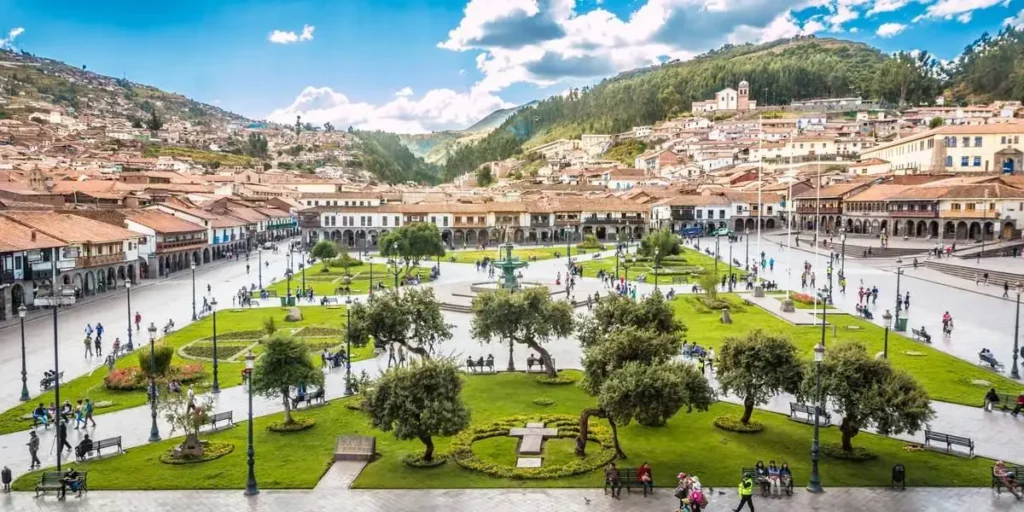
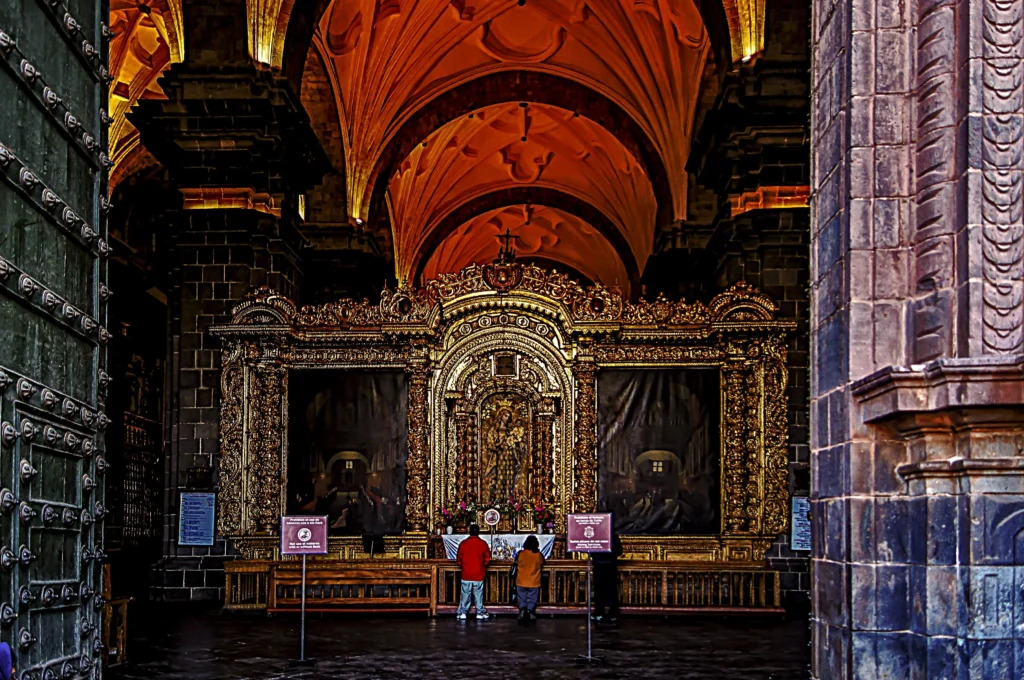
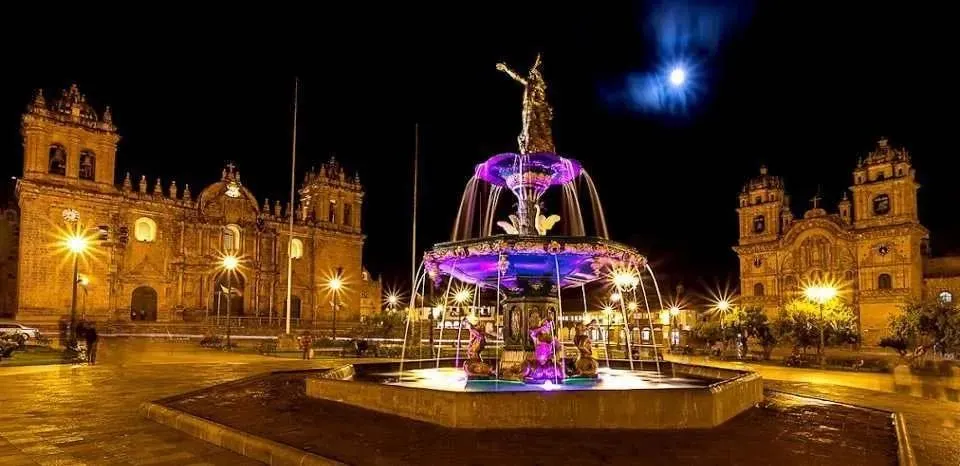
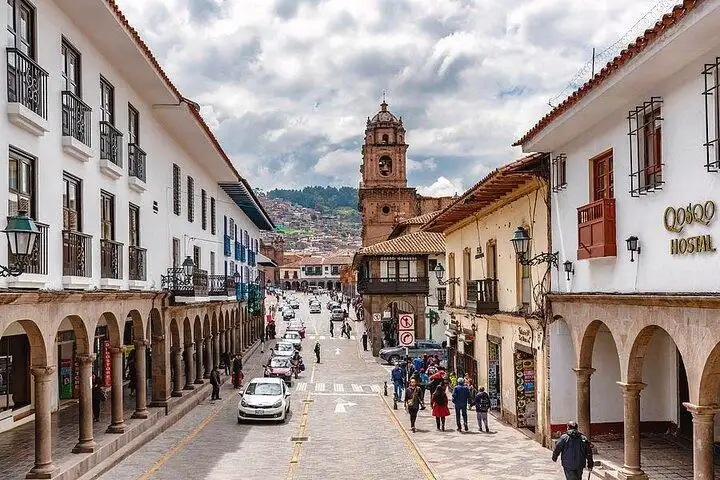
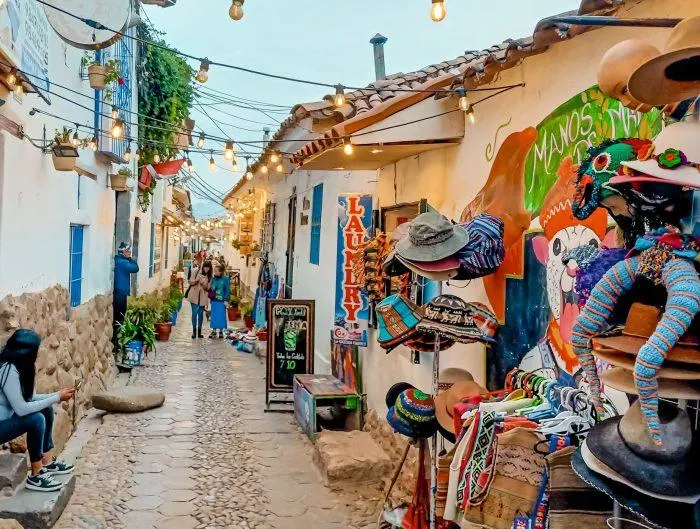
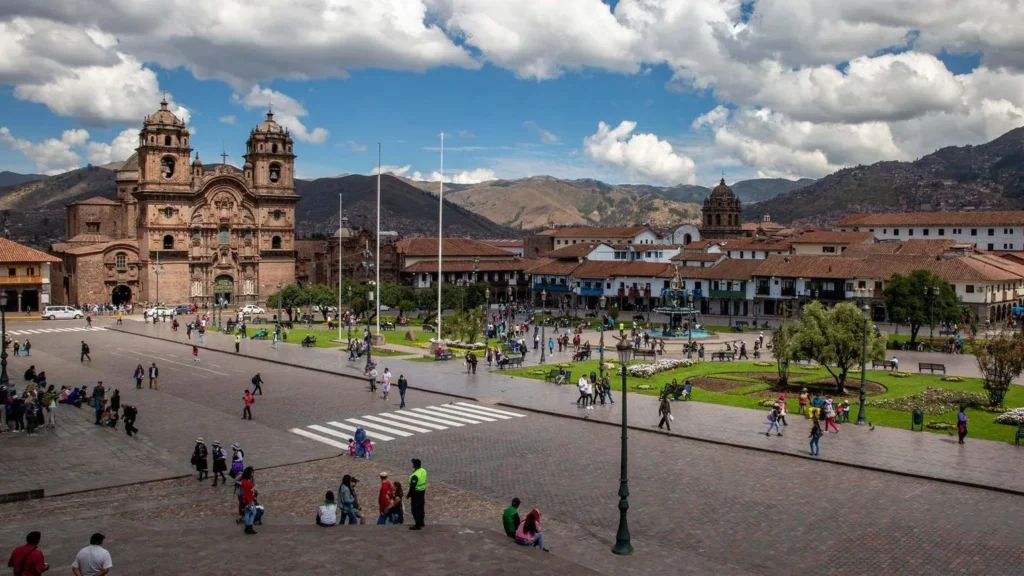
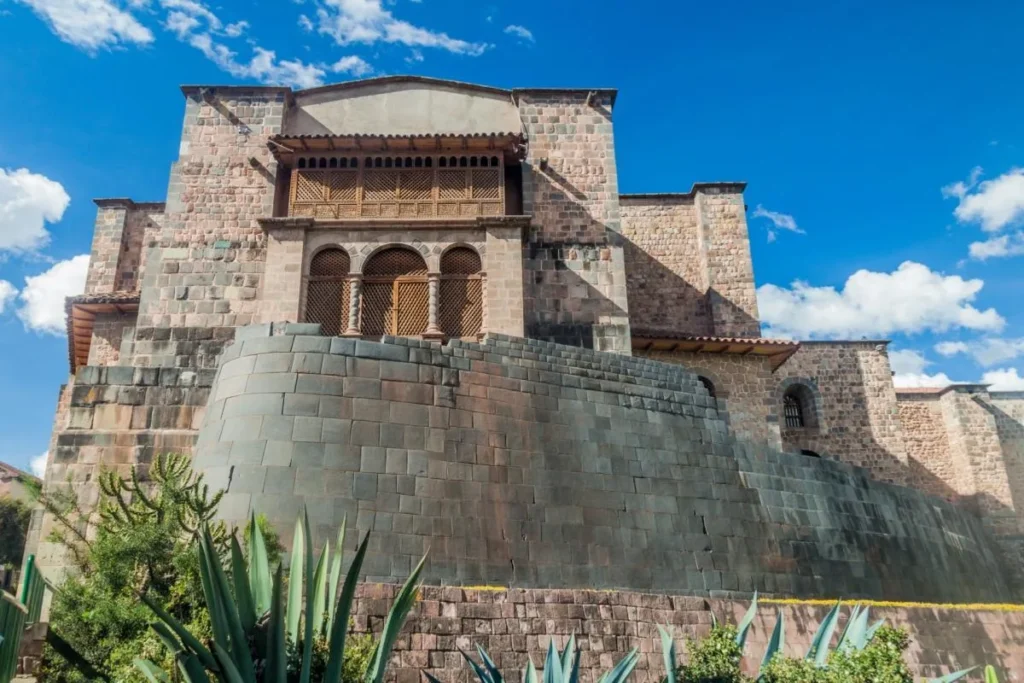
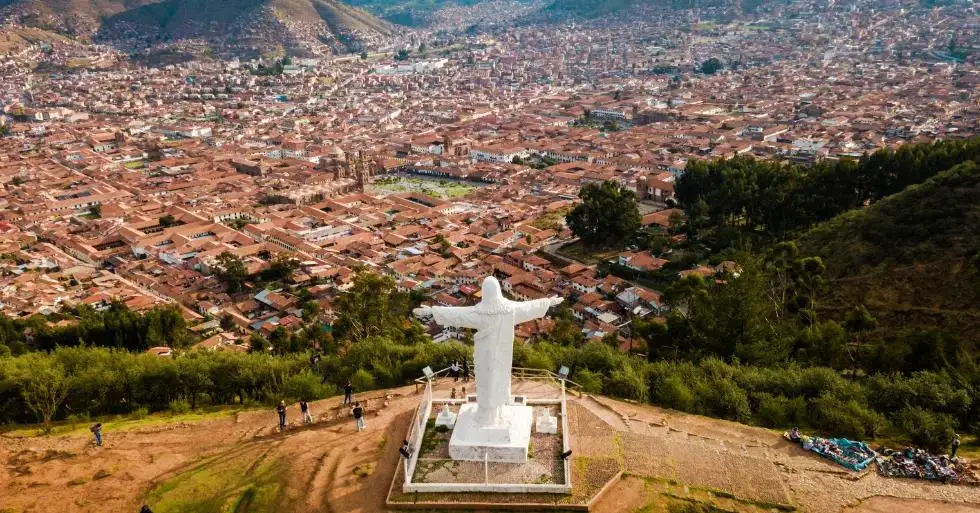
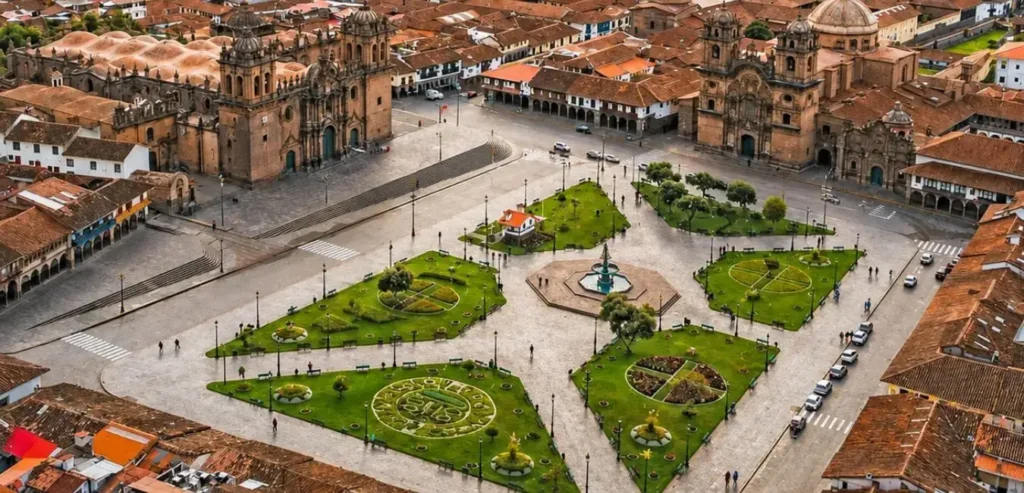
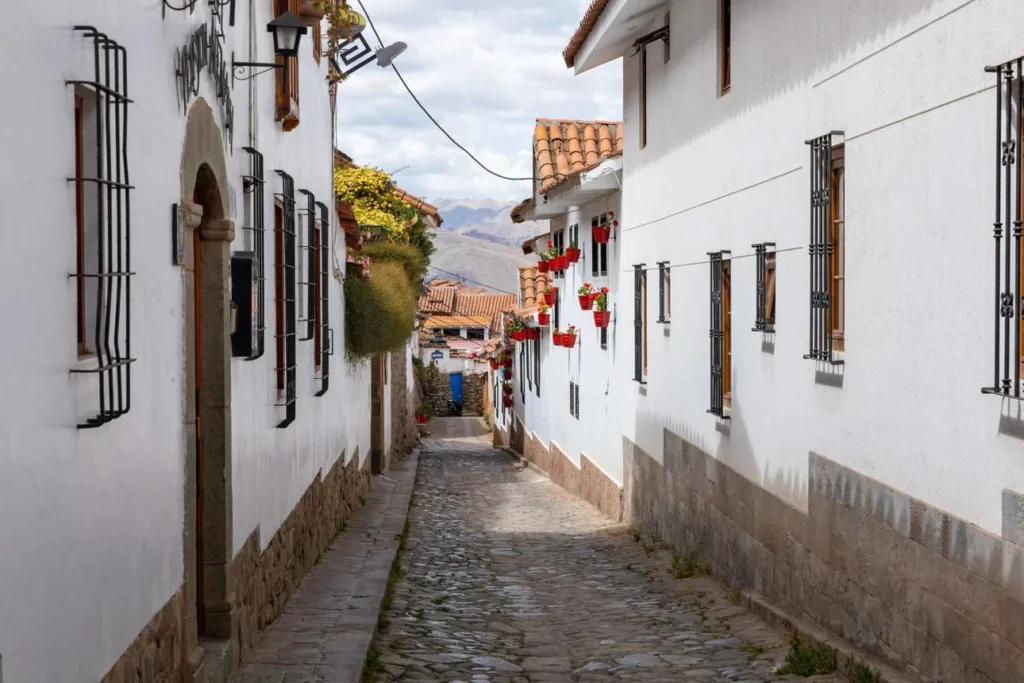
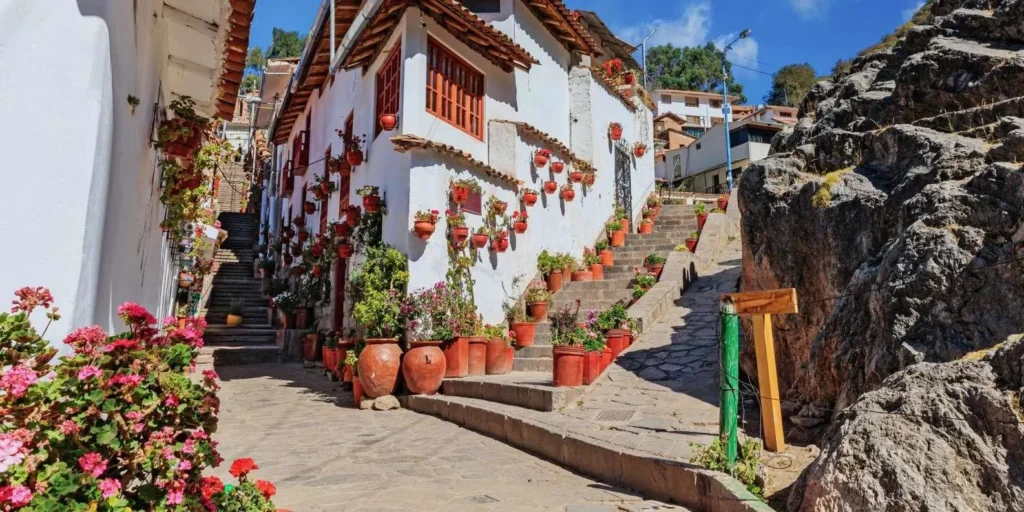
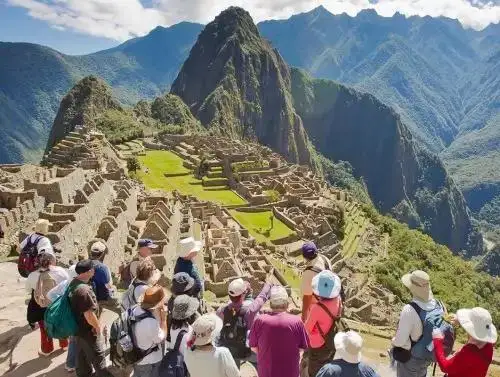
San Blas Cusco is one of the most charming and culturally interesting neighborhoods in the historic heart of Cusco, Peru. Known for its narrow cobblestone streets, whitewashed buildings, traditional blue doors, artisan workshops, small galleries, historic churches, cafés, and spectacular views over the city, San Blas offers a different experience from the busier Plaza de Armas.
Often called the Barrio San Blas Cusco, this traditional neighborhood is particularly popular with travelers interested in art, handicrafts, architecture, photography, and local culture. Its steep streets lead visitors through one of the oldest areas of the city, where Inca history and colonial traditions continue to coexist with modern restaurants, boutique hotels, and creative spaces.
San Blas is also an excellent place to slow down. Rather than simply checking attractions off a sightseeing list, visitors can spend hours wandering through its streets, visiting artisan workshops, relaxing in the plaza, exploring the market, and enjoying panoramic views of Cusco.
This guide covers the history of San Blas Cusco, its cultural importance, the best things to do in San Blas Cusco, the famous Iglesia de San Blas, Plaza San Blas, the local market, shopping and handicrafts, the neighborhood’s location and map, elevation, transportation, and practical tips for visiting.
About San Blas Cusco
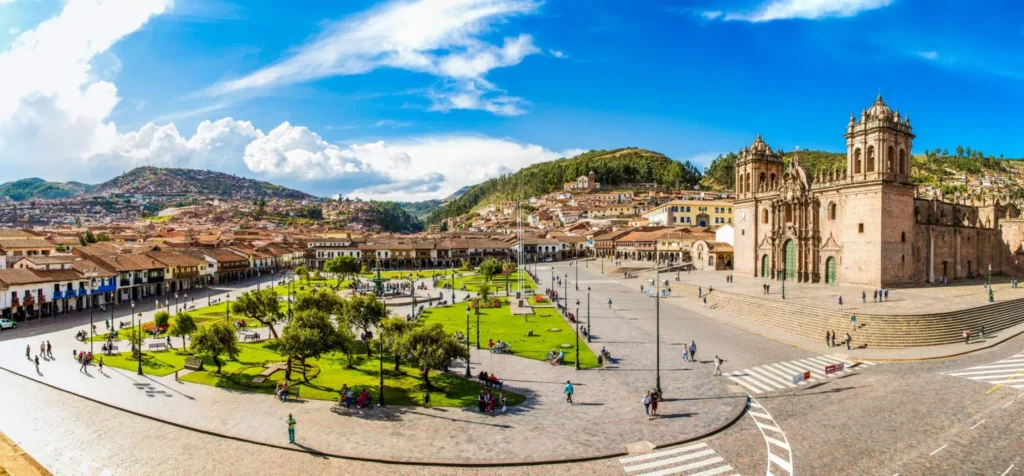
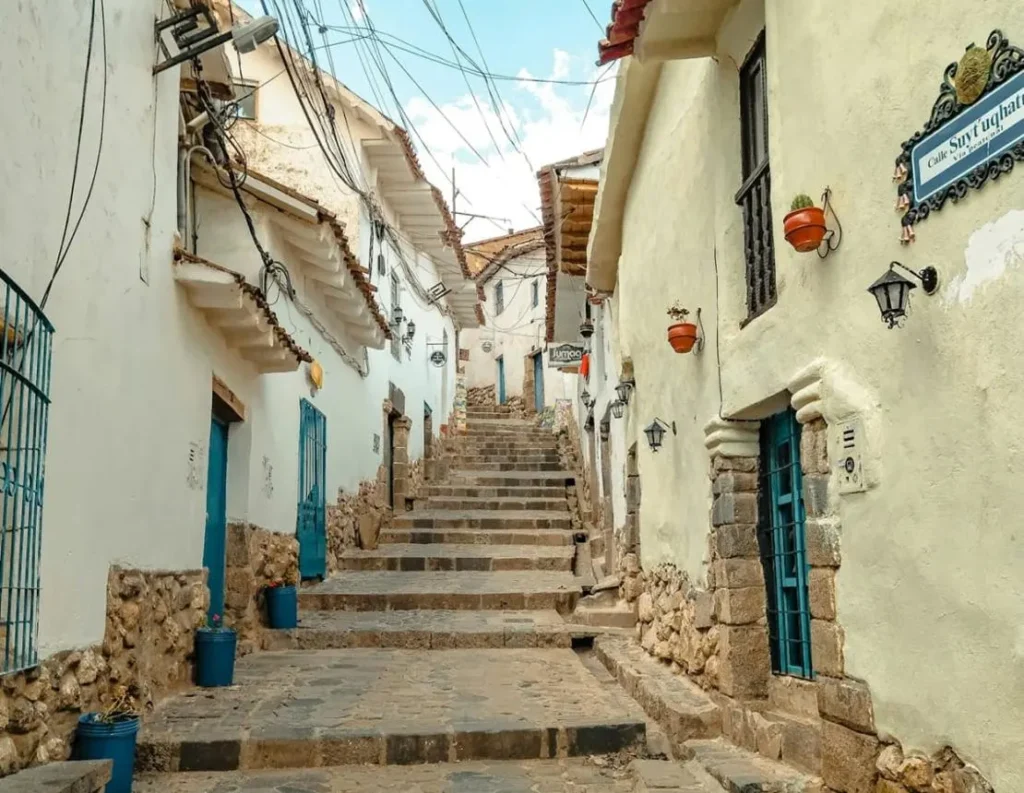
San Blas is a historic neighborhood located on the hills immediately northeast of the Plaza de Armas. Its traditional atmosphere makes it one of the most recognizable parts of Cusco, and its relatively compact size means many of its attractions can be explored on foot.
Unlike some parts of the city that feel primarily oriented toward tourism, San Blas maintains a strong connection to local artistic traditions. Artisans, sculptors, painters, textile makers, jewelry designers, and other craftspeople have contributed to the neighborhood’s identity for generations.
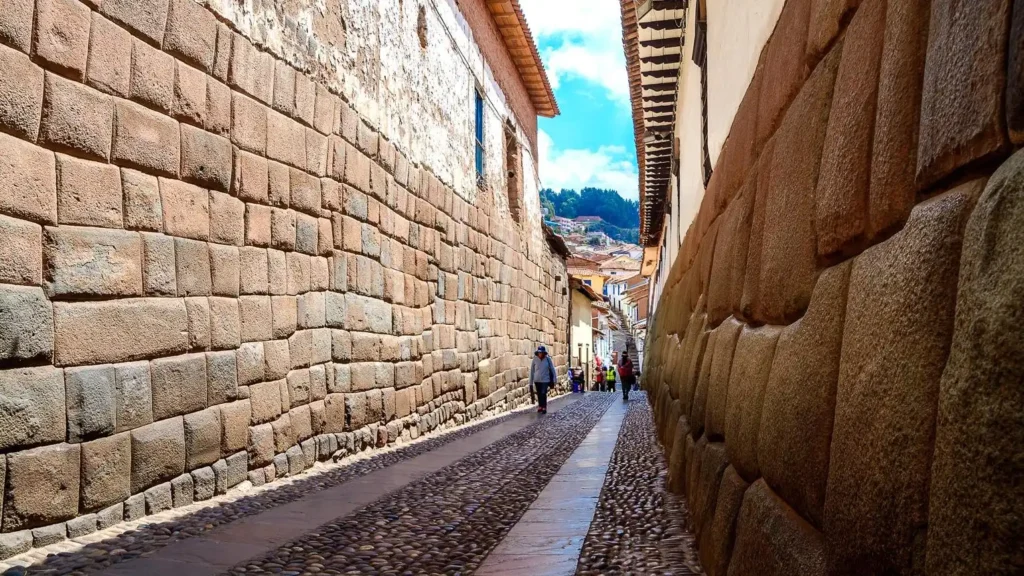
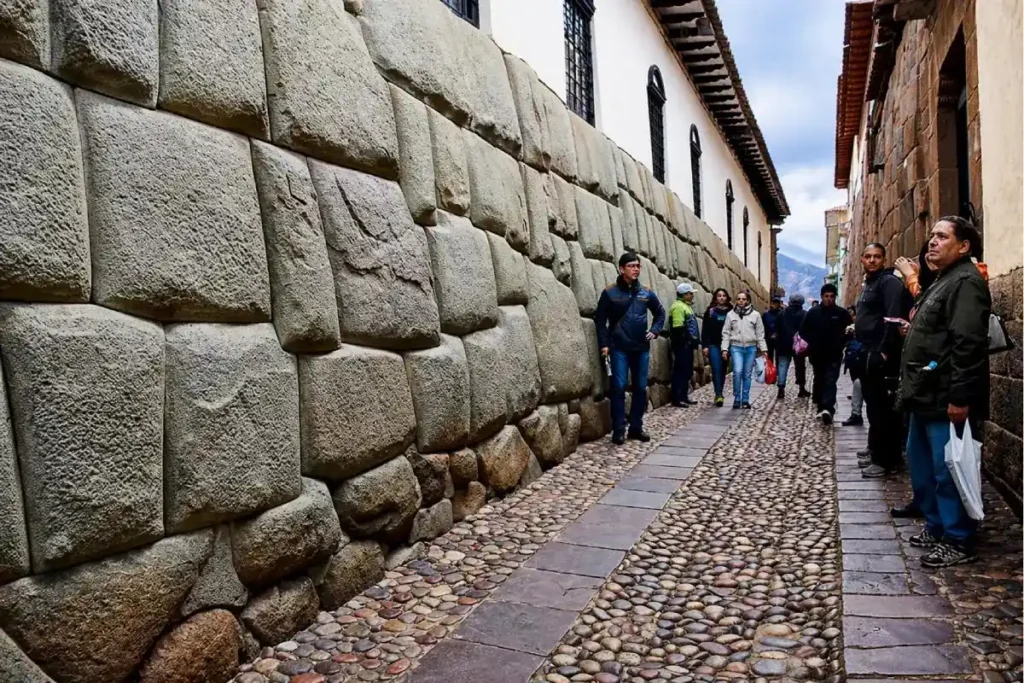
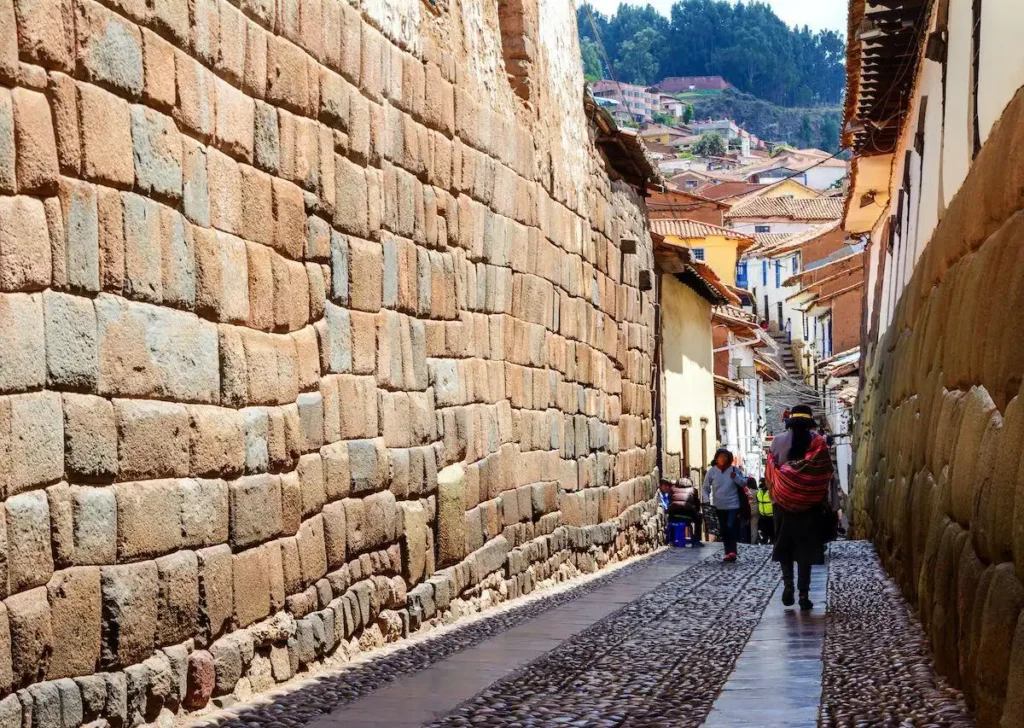
The streets themselves are part of the attraction. Narrow passages climb the hillside, passing old stone walls, colonial houses, small courtyards, cafés, galleries, and shops.
Barrio San Blas Cusco
The Barrio San Blas Cusco is often described as the artistic district of the city. Its reputation comes from the concentration of artisans and creative businesses operating around the traditional neighborhood.
The area is especially appealing to travelers who prefer exploring independently rather than moving between large tourist attractions. A short walk can reveal a small workshop, a hidden courtyard, a traditional doorway, or a viewpoint that is not obvious from a standard sightseeing itinerary.
San Blas also has a relaxed evening atmosphere. Restaurants and cafés stay active after the main daytime sightseeing hours, making the neighborhood an attractive place to spend part of an evening.
San Blas Cusco Peru
San Blas represents an important part of Cusco, Peru, because it combines history with contemporary Andean culture. Its streets reflect the city’s colonial past, while its artistic traditions demonstrate that Cusco’s cultural identity is still evolving.
Visitors can see traditional Andean motifs incorporated into contemporary artwork, textiles, sculptures, jewelry, and decorative objects.
This mixture of old and new is one of the neighborhood’s greatest strengths.
History of San Blas Cusco
The History of San Blas Cusco reaches back to the period of the Inca Empire. The area was not originally known by its present Spanish name and formed part of the urban landscape surrounding the central Inca capital.
Following the Spanish conquest, the neighborhood underwent major changes, including the construction of colonial religious buildings and houses. Over time, it developed the architectural and cultural character that visitors recognize today.
San Blas during the Inca period
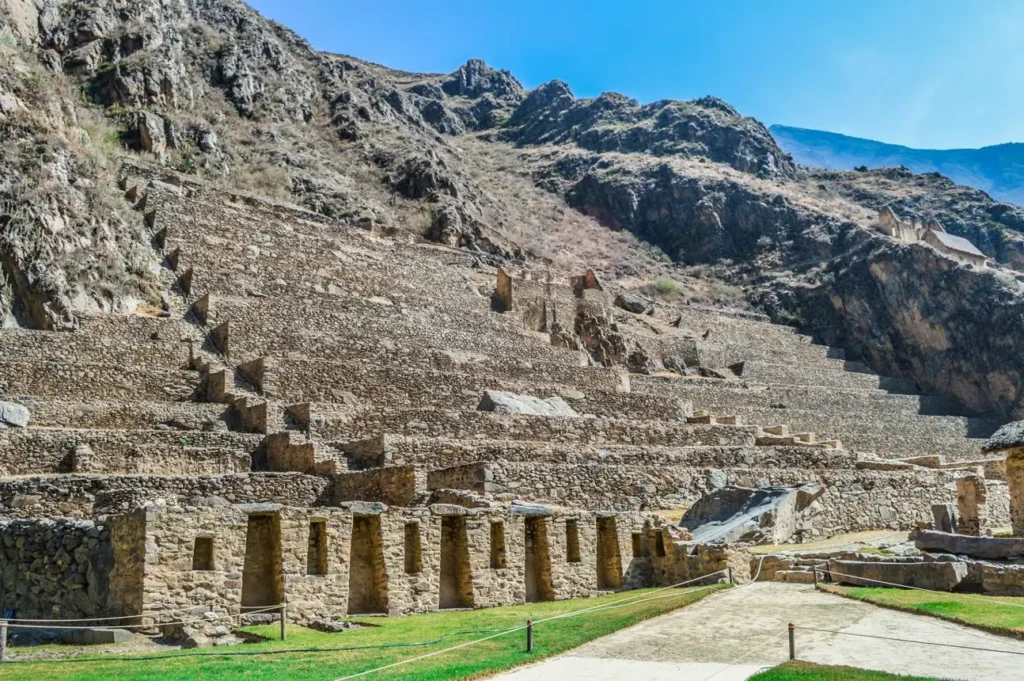
Before the Spanish conquest, the hillside where San Blas is located was part of the larger Inca urban landscape.
The Inca capital extended well beyond the modern Plaza de Armas, with residential, religious, administrative, and agricultural areas distributed throughout the surrounding hills.
The location of San Blas was therefore already connected to the ancient city long before the colonial period.
Some surviving walls and foundations around the neighborhood provide evidence of this earlier history. As elsewhere in Cusco, later buildings were often constructed using existing Inca foundations.
Colonial transformation
Following the Spanish conquest, Cusco was reorganized according to colonial administrative and religious structures.
The neighborhood became associated with the name San Blas, and the construction of the church and surrounding colonial buildings helped establish its later identity.
Colonial houses were built along narrow streets that followed some of the existing contours of the hillside. This contributed to the compact and irregular urban layout that makes San Blas so distinctive today.
From traditional neighborhood to artistic district
San Blas eventually became particularly associated with artisans and craftsmen. Families and workshops specializing in traditional Cusco artistic styles contributed to the neighborhood’s reputation.
Sculpture became especially important, as did painting, textiles, woodwork, ceramics, jewelry, and other forms of craftsmanship.
Today, the artistic identity remains one of the defining characteristics of the neighborhood.
Tradición artesanal
The tradición artesanal of San Blas is one of the main reasons travelers visit the neighborhood. Cusco has a long history of Andean artistic production, and San Blas became especially associated with families and workshops preserving traditional techniques.
Artisans working in the neighborhood have produced religious sculptures, decorative objects, textiles, paintings, jewelry, and other works influenced by both Andean and colonial traditions.
The San Blas artistic tradition
San Blas is particularly known for its connection with traditional Cusco sculpture. Some local artistic families became famous for producing religious figures and decorative works characterized by distinctive facial expressions, colors, and details.
However, contemporary San Blas is not limited to traditional religious art. Visitors will also find modern interpretations of Andean culture.
Common products include:
- Handwoven textiles.
- Traditional Andean designs.
- Paintings.
- Sculptures.
- Wood carvings.
- Ceramics.
- Jewelry.
- Decorative objects.
- Handmade souvenirs.
- Contemporary artwork inspired by Andean culture.
Why buy directly from artisans?
Shopping directly from an artisan workshop can provide a more meaningful experience than simply purchasing a souvenir from a large commercial store.
Visitors can often learn how an object was produced, what materials were used, and what cultural traditions influenced its design.
When buying handmade products, it is worth asking questions about the origin and production process. This helps travelers distinguish locally produced crafts from mass-produced souvenirs.
Importancia cultural
The importancia cultural of San Blas comes from its ability to preserve traditions while remaining part of modern Cusco.
The neighborhood is not a museum frozen in time. People live and work here, restaurants operate alongside traditional houses, artisans continue producing artwork, and visitors interact with local residents every day.
San Blas therefore provides an opportunity to experience a more intimate side of Cusco.
A meeting point between cultures
San Blas reflects the cultural layers that characterize Cusco. Inca heritage, Spanish colonial influences, Catholic traditions, Andean artistic styles, and contemporary Peruvian culture can all be found within a relatively small area.
This cultural combination is visible in architecture, religious artwork, handicrafts, food, festivals, and everyday life.
San Blas and contemporary travelers
The neighborhood has also become popular with independent travelers, artists, photographers, digital nomads, and visitors searching for boutique accommodations and creative spaces.
This has brought new businesses and international influences into the area while maintaining many of its traditional characteristics.
Things to Do in San Blas Cusco
There are plenty of things to do in San Blas Cusco, but the neighborhood is best experienced without rushing. Its main attraction is the combination of small experiences rather than one enormous monument.
Explore the Streets of San Blas
Walking is the best way to discover San Blas.
The streets are narrow, steep, and sometimes uneven, but they are full of architectural details and unexpected views.
Look for traditional doors, balconies, stone walls, colorful flowers, small courtyards, and houses built directly into the hillside.
Streets worth exploring
Some of the streets connecting the Plaza de Armas with San Blas are among the most atmospheric routes in central Cusco.
The climb from the main square toward San Blas passes through historic streets where visitors can stop for photographs or enter small shops and galleries.
One of the most famous routes is associated with Hatun Rumiyoc and the Twelve-Angled Stone. From there, the streets continue upward toward the San Blas neighborhood.
The walk is relatively short in distance but can feel demanding because of the elevation and incline.
Visit Local Artisan Workshops
Visiting local artisan workshops is one of the most rewarding experiences in San Blas.
Instead of simply buying finished products, travelers may be able to see artists working with wood, textiles, paint, metal, or other materials.
Some workshops combine traditional techniques with contemporary styles, producing artwork that appeals to both local and international visitors.
What to look for in artisan workshops
Depending on your interests, you may find:
- Traditional Cusco sculptures.
- Andean-inspired paintings.
- Handwoven textiles.
- Alpaca and wool products.
- Handmade jewelry.
- Wood carvings.
- Ceramics.
- Contemporary art.
- Religious artwork.
- Decorative objects.
Ask about the materials and production methods if you are interested in learning about the craft rather than simply purchasing a souvenir.
Enjoy the Views
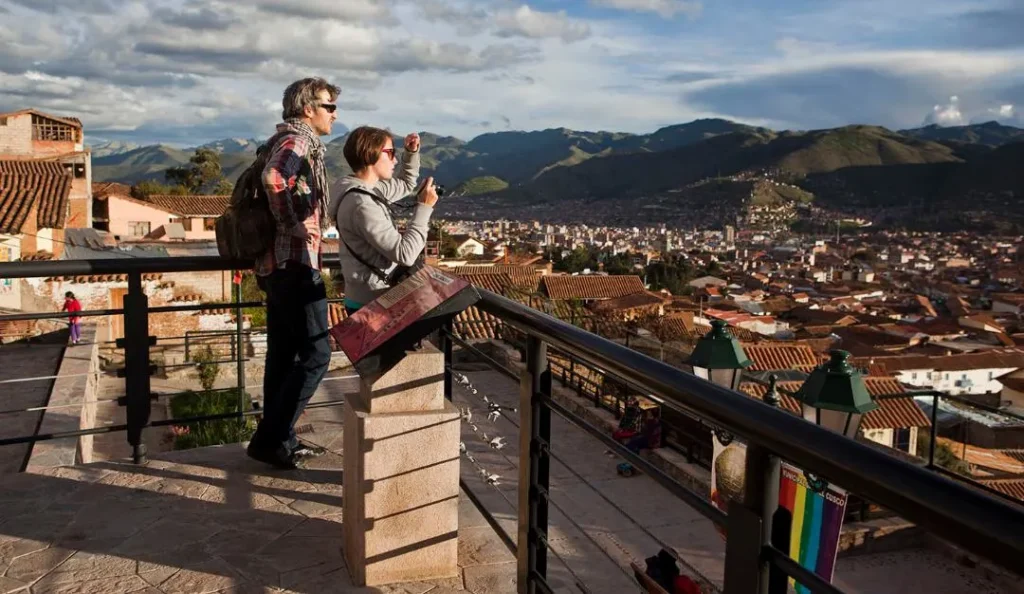
One of San Blas’s biggest advantages is its elevated location.
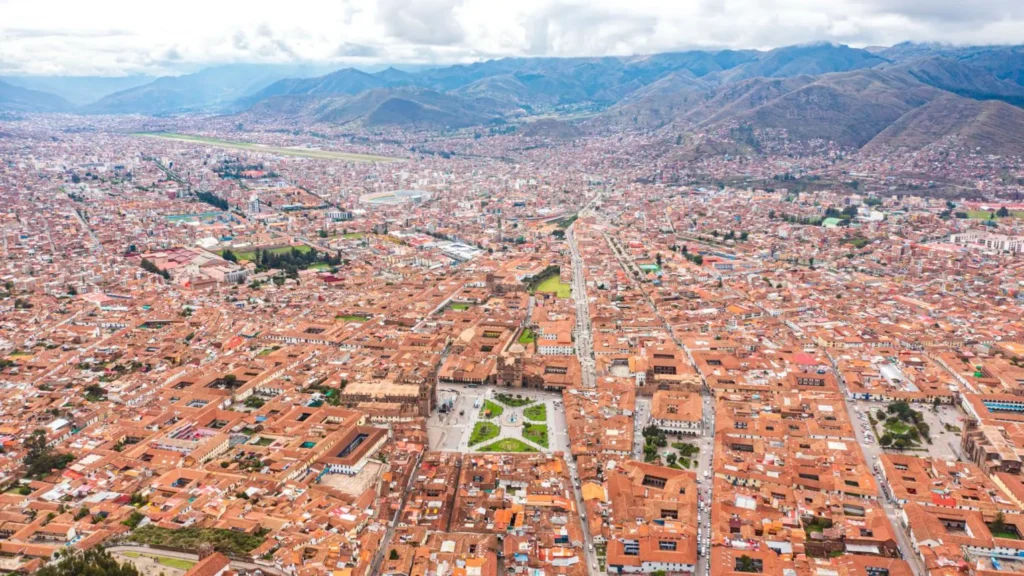
Because the neighborhood climbs the hillside above the central part of Cusco, several streets and viewpoints provide excellent views over the rooftops and surrounding mountains.
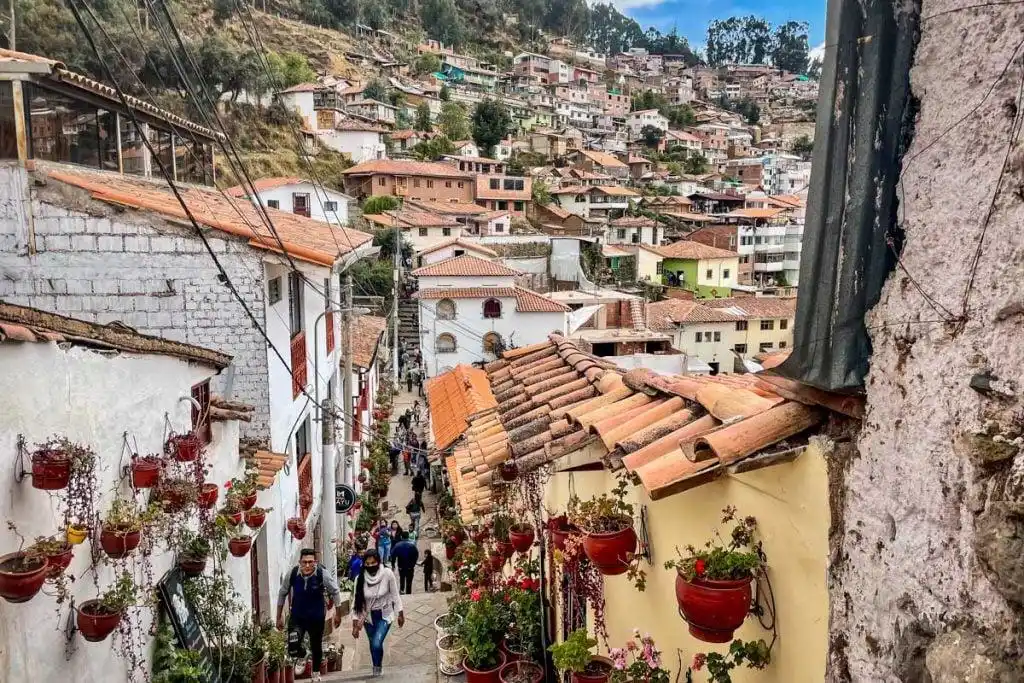
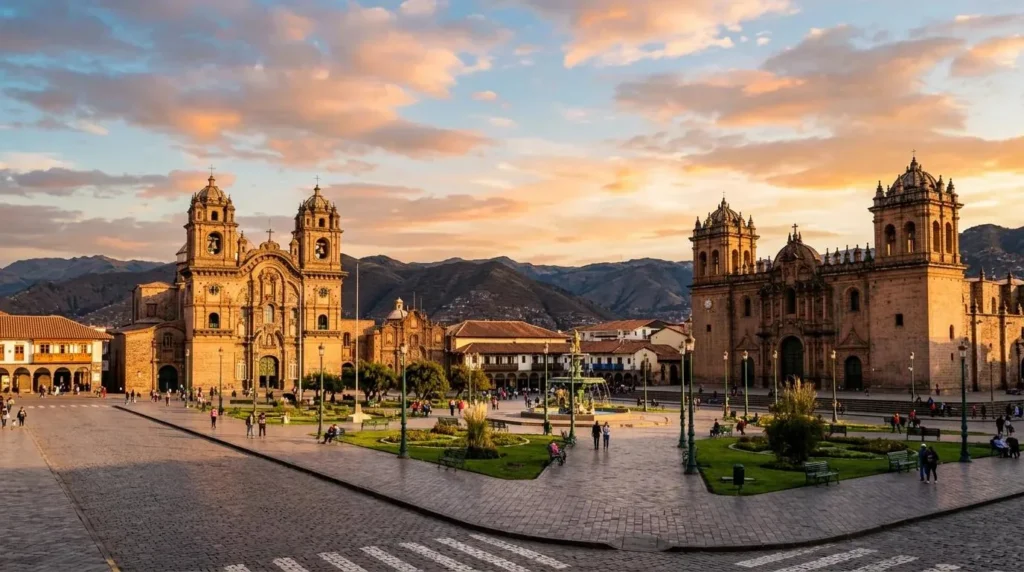
The views are particularly attractive in the late afternoon when sunlight begins to change across the rooftops.
Photographers can capture a mixture of terracotta roofs, colonial architecture, church towers, mountains, and modern Cusco.
Best time for views
Early morning provides clearer and quieter conditions, while late afternoon offers warmer light.
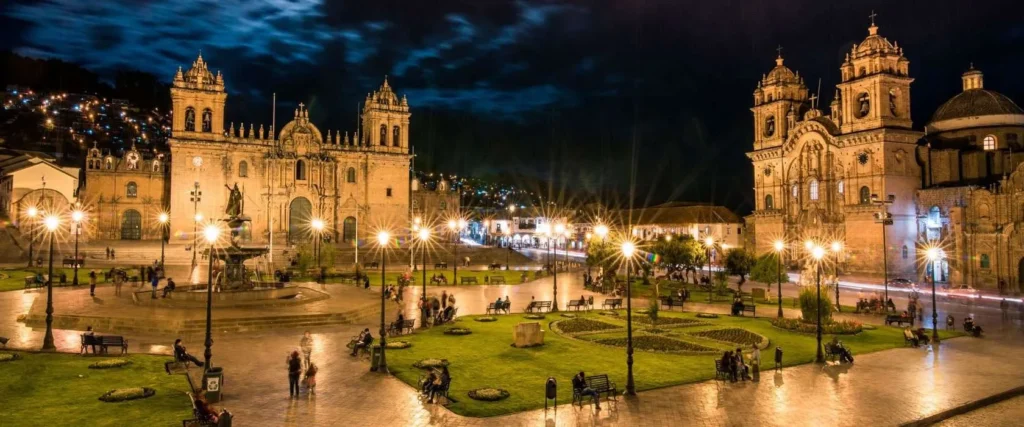
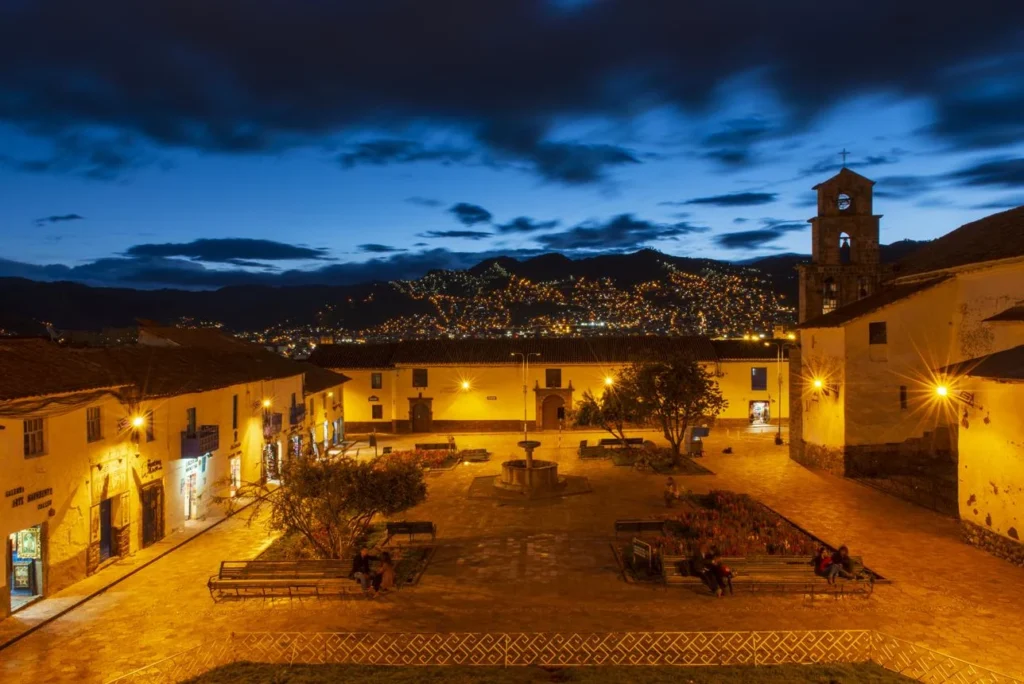
After sunset, the city lights create another attractive perspective.
Because the weather in the Andes can change quickly, visibility is not guaranteed every day, but even cloudy conditions can create dramatic skies over the city.
Plaza San Blas Cusco
Plaza San Blas Cusco is the social center of the neighborhood and an important meeting place for both locals and visitors.
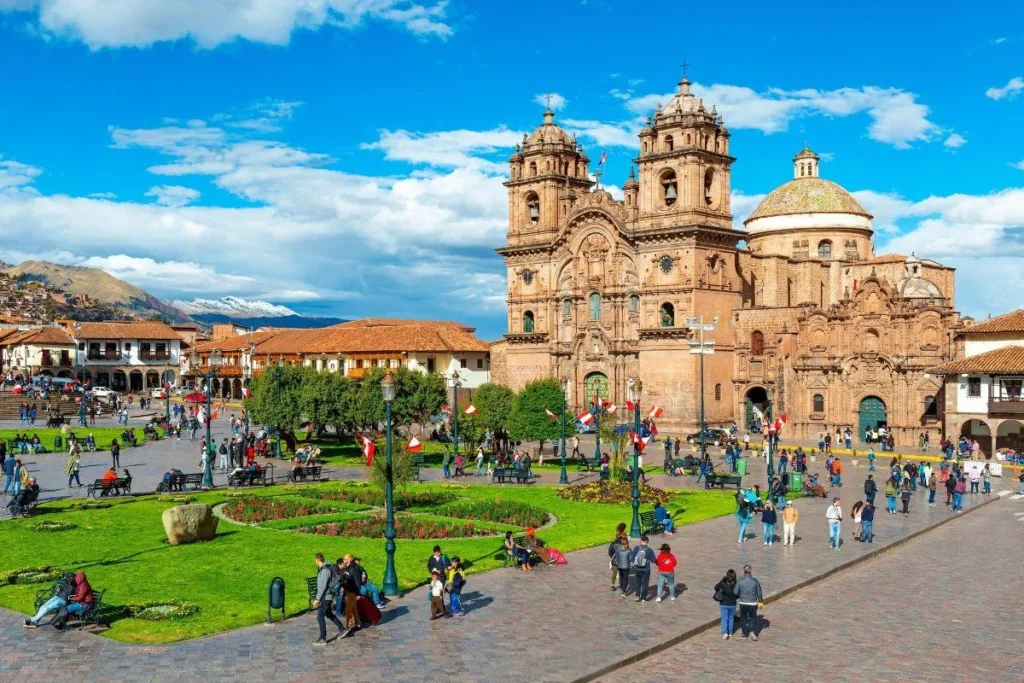
The plaza is considerably smaller and more intimate than the Plaza de Armas. It is surrounded by traditional buildings and provides a convenient place to rest after walking through the steep streets.
The central fountain, trees, stone surfaces, and surrounding architecture give the plaza a distinctly neighborhood atmosphere.
What to do around Plaza San Blas
Visitors can use the plaza as a starting point for exploring the surrounding streets.
From here, you can:
- Visit the Iglesia de San Blas.
- Explore artisan shops.
- Stop at cafés and restaurants.
- Browse galleries.
- Photograph the surrounding architecture.
- Walk toward nearby viewpoints.
- Continue exploring the upper streets of the neighborhood.
The plaza is especially pleasant when you want to slow down after visiting busier parts of central Cusco.
Iglesia de San Blas
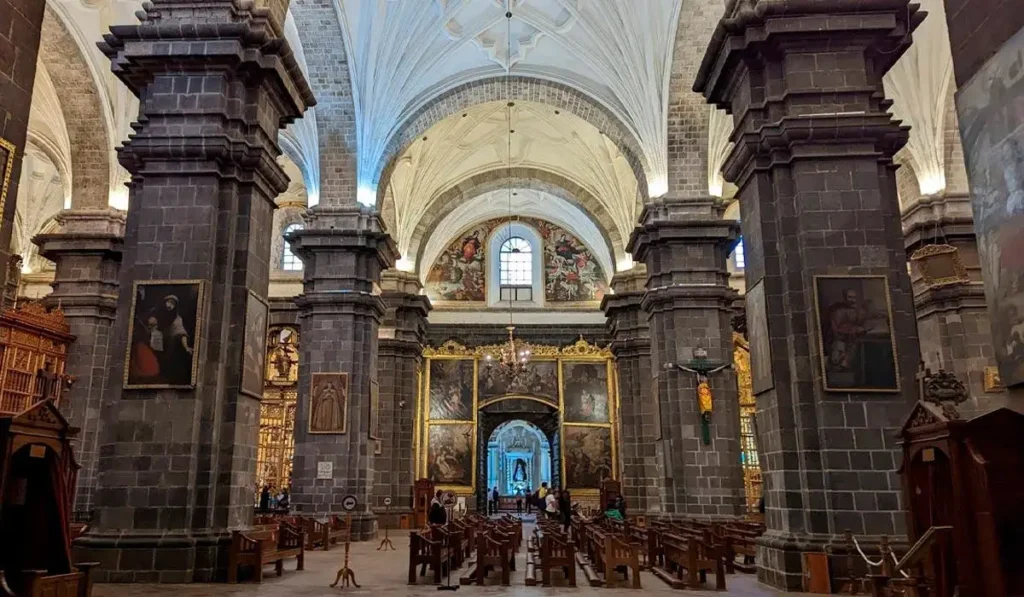
The Iglesia de San Blas is one of the most important historic buildings in the neighborhood. Located directly beside the Plaza San Blas, the church is famous for its colonial architecture and artistic heritage.
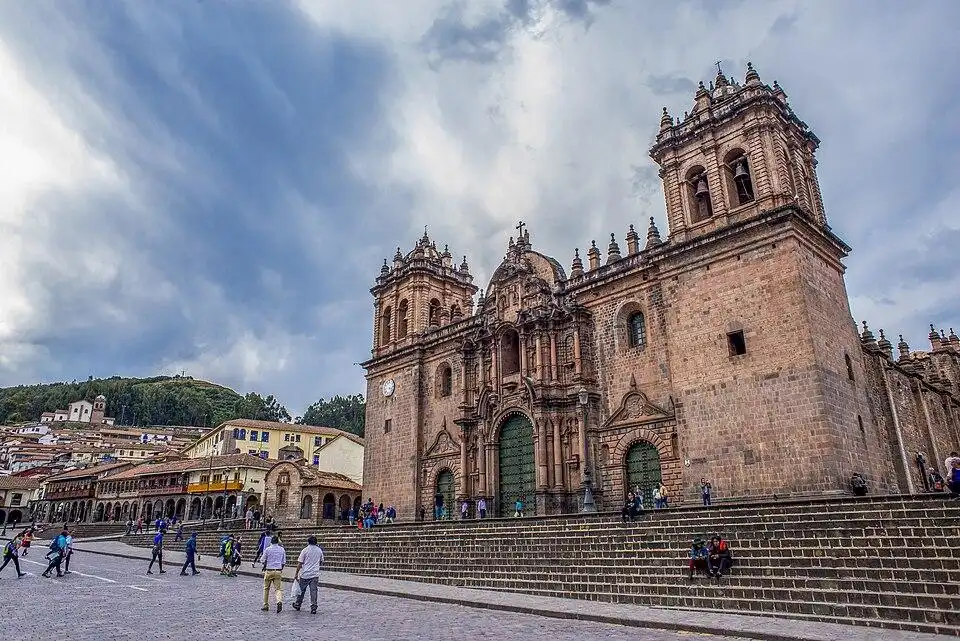
The church is relatively small compared with Cusco Cathedral, but its artistic importance is considerable.
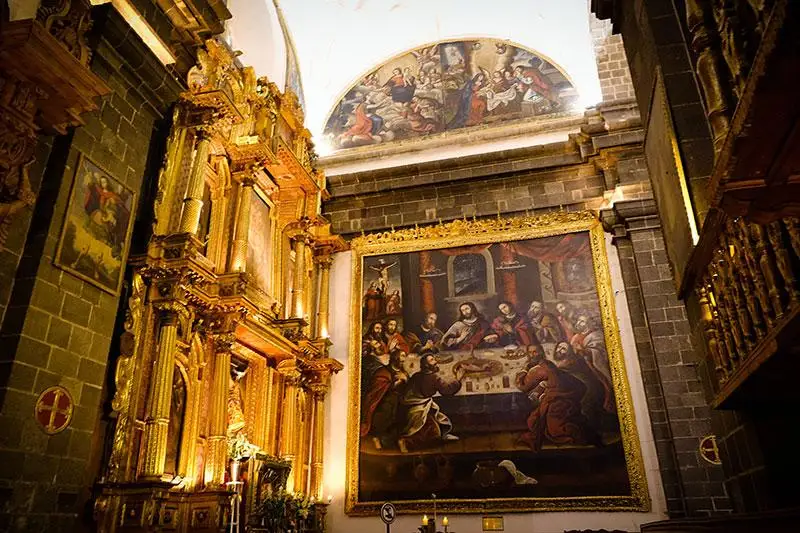
Inside, visitors can find religious artwork and a famous carved wooden pulpit traditionally associated with colonial craftsmanship.
Why visit Iglesia de San Blas?
The church provides an excellent example of how religion, art, and colonial history became intertwined in Cusco.
Its interior demonstrates the skill of local craftsmen and the development of religious art during the colonial period.
The church also provides historical context for the neighborhood itself. San Blas developed around this religious and community center, and the building remains one of its most recognizable landmarks.
The famous pulpit
One of the most remarkable features associated with the church is its elaborately carved pulpit.
The craftsmanship demonstrates the extraordinary level of detail that colonial-era woodworkers could achieve.
Visitors interested in art history should take time to examine the details rather than simply entering and leaving quickly.
San Blas Market
The San Blas Market, also known as Mercado San Blas, provides another perspective on the neighborhood.
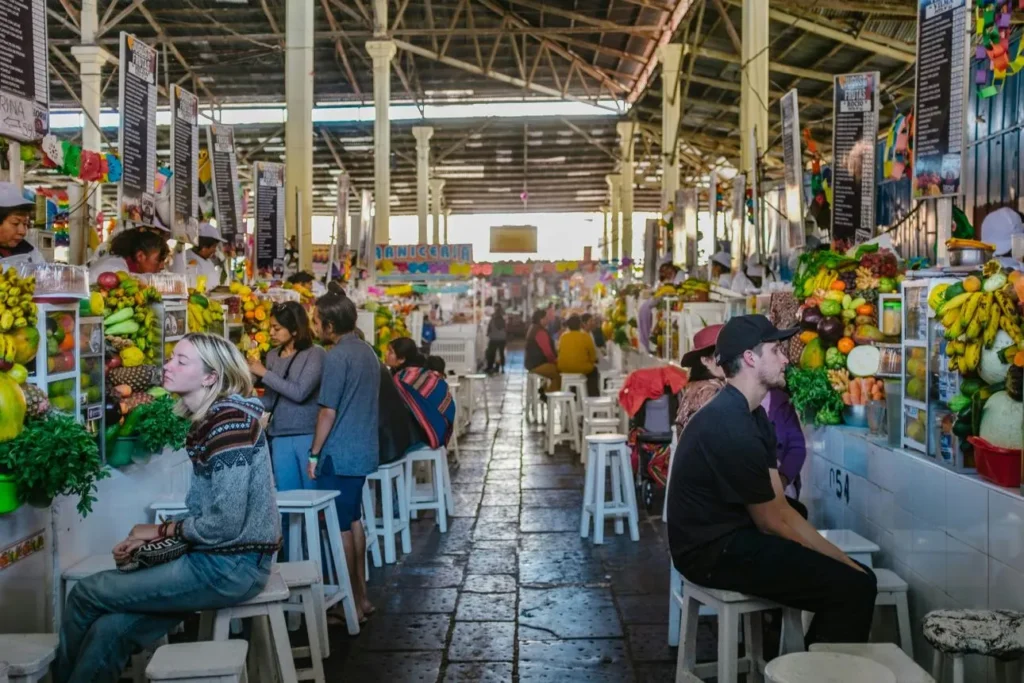
While the area is famous for its galleries and tourist-oriented handicrafts, the market provides a more everyday environment where visitors can see local food, produce, ingredients, and traditional products.
It is a useful place to experience a less polished side of the neighborhood.
Mercado San Blas
Mercado San Blas is a traditional market serving residents as well as visitors.
Depending on the time of day, you may see vendors selling:
- Fresh fruit.
- Vegetables.
- Local grains.
- Potatoes.
- Herbs.
- Spices.
- Bread.
- Juices.
- Prepared foods.
- Traditional ingredients.
The market can be particularly interesting for travelers who enjoy food and want to see ingredients commonly used in Andean and Peruvian cooking.
Trying local food
Markets can be a good way to discover dishes and flavors that may not appear on a standard tourist restaurant menu.
However, visitors should use normal food-safety precautions. Choose busy stalls with good turnover and pay attention to hygiene and food handling.
Shopping and Handicrafts in San Blas Cusco
Shopping is one of the most popular activities in the neighborhood because of its concentration of artisan stores and workshops.
Unlike a conventional shopping district, San Blas offers opportunities to see artistic production alongside finished products.
What to buy in San Blas
Popular purchases include:
- Alpaca textiles.
- Wool hats and scarves.
- Andean-style blankets.
- Handmade jewelry.
- Paintings.
- Sculptures.
- Ceramics.
- Woodwork.
- Traditional decorative objects.
- Contemporary Andean artwork.
Choosing authentic handicrafts
If authenticity is important to you, ask where the item was made and whether it was produced by the seller or obtained from another workshop.
Handmade pieces naturally vary in shape, color, and finish. Small imperfections can actually indicate that an item was individually produced rather than mass manufactured.
San Blas Cusco Location and Map
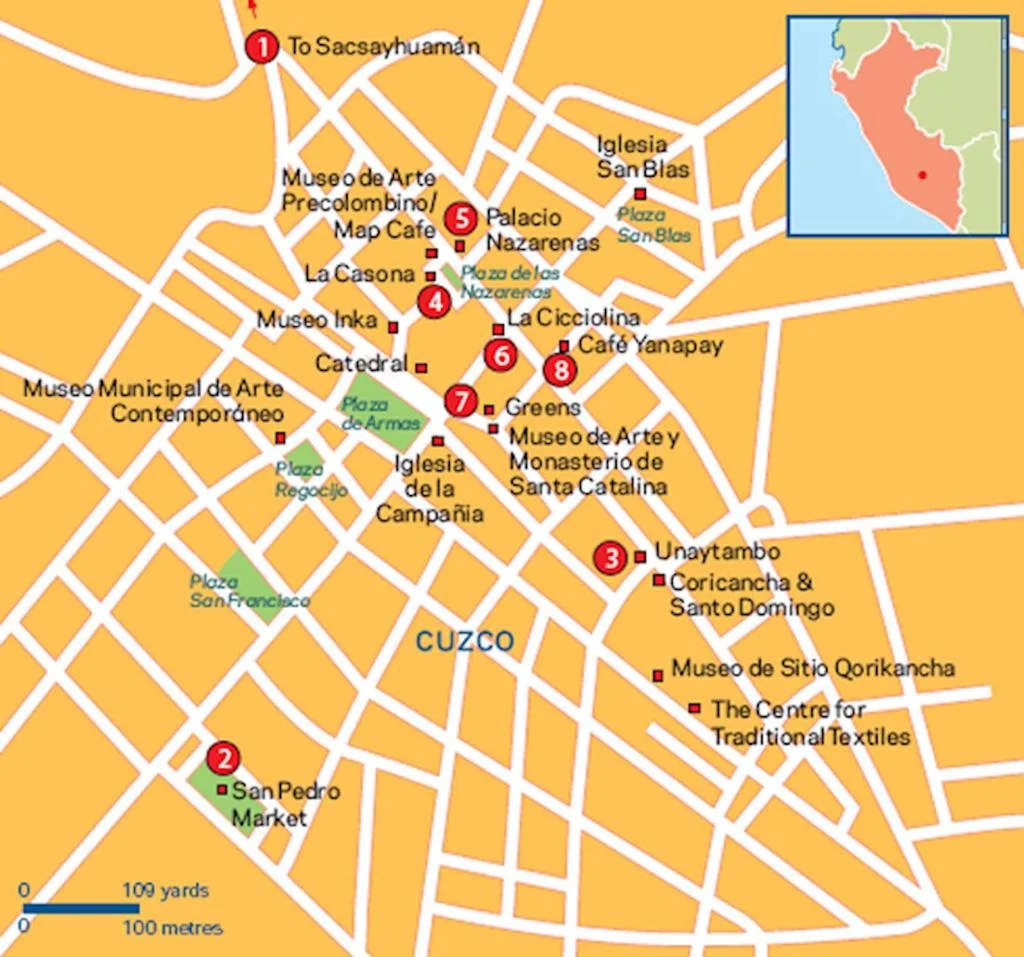
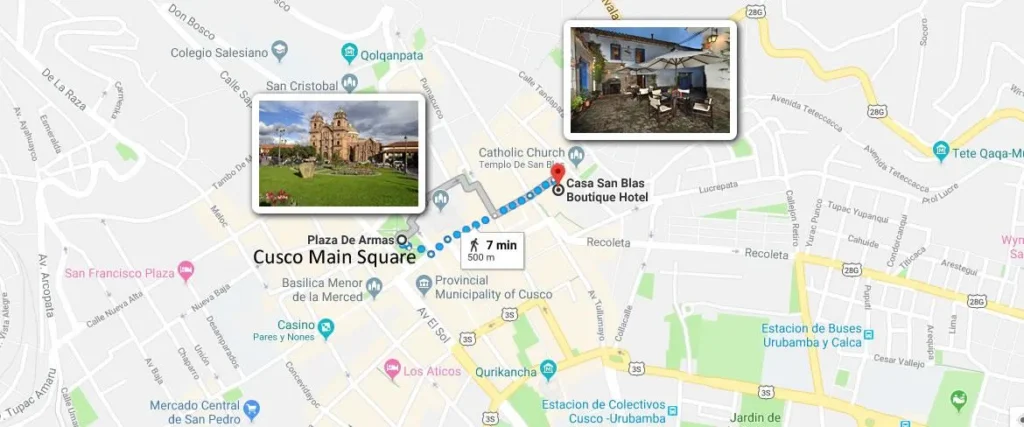
San Blas is located northeast of the Plaza de Armas and climbs the hillside above central Cusco.
Its location makes it easy to combine with a visit to the main historic center, although the uphill walk can be physically demanding.
Where Is San Blas?
San Blas begins just a short walk from the Plaza de Armas, but the character of the neighborhood changes quickly as you climb.
The route from the main square passes through historic streets before reaching the Plaza San Blas and the church.
Nearby attractions include:
- Plaza de Armas.
- Hatun Rumiyoc.
- Twelve-Angled Stone.
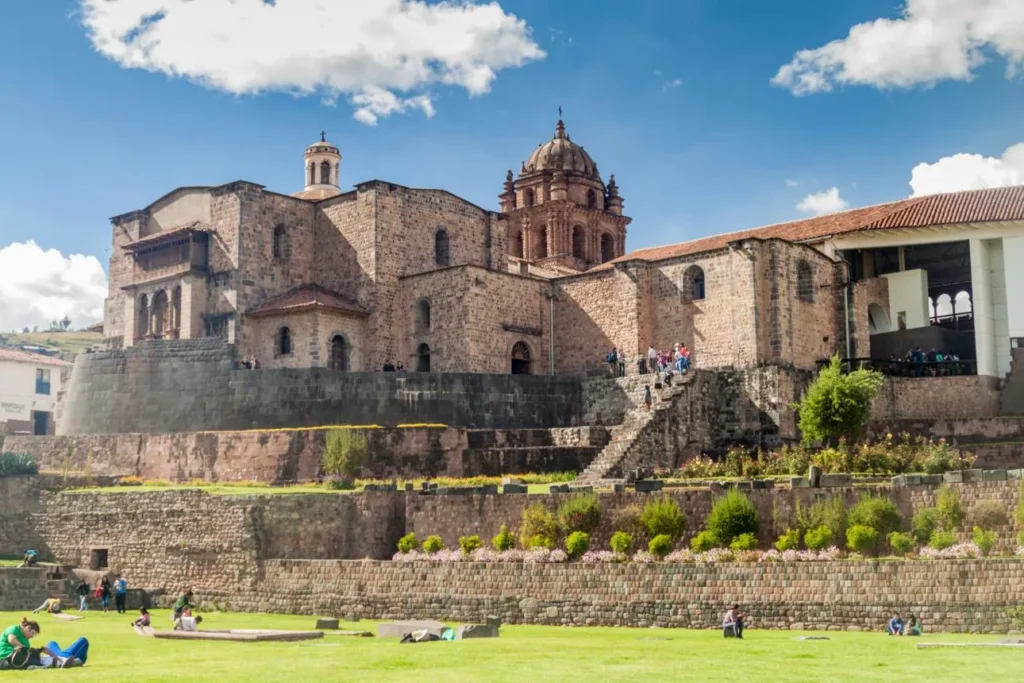
- Qorikancha.
- Cusco Cathedral.
- Colonial streets.
- Artisan galleries.
- Local restaurants and cafés.
San Blas on a Cusco itinerary
Because of its location, San Blas works well as part of a walking route through central Cusco.
A common itinerary can begin at the Plaza de Armas, continue through Hatun Rumiyoc, climb toward San Blas, explore the plaza and church, and then continue to viewpoints or return toward the center.
How to Get to San Blas Cusco
Walking is usually the most enjoyable way to reach San Blas from the historic center.
Walking from Plaza de Armas
The walk from the Plaza de Armas toward San Blas is relatively short, but it involves an uphill climb.
The route passes through historic streets and offers several opportunities to stop for photographs.
Travelers who have just arrived in Cusco should take the altitude into account. The distance may look easy on a map, but the incline can make the walk surprisingly demanding.
Taking a taxi
A taxi can be useful if you want to avoid the uphill walk or are carrying luggage.
However, some streets in San Blas are narrow, and vehicle access can be limited. Depending on your destination, the taxi may need to stop on a larger accessible street, leaving you with a short walk.
Walking from other attractions
San Blas is particularly easy to combine with other historic-center attractions.
From Hatun Rumiyoc, it is a natural continuation of a walking route. From the Plaza de Armas, the neighborhood can also be reached by following the streets northeast.
Practical Information for Visiting San Blas
A visit to San Blas does not require complicated preparation, but comfortable footwear and a reasonable pace are important.
San Blas Cusco Elevation
The San Blas Cusco elevation is roughly comparable to the rest of central Cusco, at around 3,400 meters above sea level, although the neighborhood climbs above the lower sections of the historic center.
The altitude is an important consideration for travelers arriving from lower elevations.
Even travelers who are normally fit may notice shortness of breath when walking uphill.
Tips for dealing with altitude
During your first days in Cusco:
- Walk slowly.
- Take frequent breaks.
- Drink water.
- Avoid overexertion.
- Give your body time to adjust.
- Avoid planning too many strenuous activities immediately after arrival.
Altitude affects people differently, so listen to your body and slow down if you feel uncomfortable.
Getting Around on Foot
Getting Around on Foot is the best way to experience San Blas because many of the neighborhood’s most interesting details are found along small streets and pedestrian routes.
However, the streets can be steep and uneven.
Comfortable shoes are essential, particularly if you plan to spend several hours exploring.
How difficult is walking in San Blas?
The neighborhood is not necessarily difficult because of distance. The main challenge is elevation and incline.
A route that takes only a few minutes on a map can require more effort because you are climbing uphill at high altitude.
For this reason, allow plenty of time and avoid rushing.
What to bring
For a comfortable visit, consider carrying:
- Comfortable walking shoes.
- Water.
- Sun protection.
- A light jacket.
- Rain protection.
- A small backpack.
- Cash for small purchases.
- A camera or smartphone.
Best Time to Visit San Blas Cusco
San Blas can be visited throughout the year, but different times of day offer different experiences.
Morning
Morning is a good time for travelers who prefer quieter streets and softer light for photography.
The market can also be interesting earlier in the day when local activity is underway.
Afternoon
Afternoon is ideal for exploring artisan workshops, cafés, galleries, and the plaza.
The neighborhood generally becomes more lively as visitors arrive from the central historic area.
Evening
Evening offers a more relaxed atmosphere. Restaurants and cafés become particularly appealing, and the city lights can be seen from elevated areas.
Late afternoon into evening can therefore be one of the most enjoyable periods to experience San Blas.
One-Day San Blas Cusco Itinerary
If you want to dedicate several hours to the neighborhood, the following route provides a good balance of history, art, food, and scenery.
Morning: Historic streets
Start at the Plaza de Armas and walk toward Hatun Rumiyoc. Stop to examine the Inca stonework and continue uphill toward San Blas.
Take photographs along the way rather than treating the climb as simply transportation.
Late morning: Plaza San Blas and Iglesia de San Blas
Spend time around Plaza San Blas and visit the church if it is open.
Explore nearby artisan shops and galleries.
Lunch: Mercado San Blas
Visit Mercado San Blas for a more local experience or choose one of the neighborhood’s restaurants.
Take your time and enjoy the change in atmosphere from the busier Plaza de Armas.
Afternoon: Art and views
Visit artisan workshops and galleries, then explore the higher streets and viewpoints.
This is a good time for photography because afternoon light can create dramatic views across Cusco.
Evening: Dinner in San Blas
Finish with dinner at a local restaurant or café.
If the weather is clear, take another walk through the neighborhood after sunset to experience the streets under evening lights.
San Blas Cusco for Different Types of Travelers
For first-time visitors
San Blas is an excellent introduction to Cusco because it combines history, architecture, art, food, and local life.
It can easily be added to a first-day or second-day itinerary.
For photographers
The neighborhood is one of the best areas in central Cusco for photography.
The combination of steep streets, white walls, colorful doors, tiled roofs, church architecture, artisan shops, and mountain views creates numerous photographic opportunities.
For art lovers
San Blas is arguably one of the best areas of Cusco for travelers interested in traditional and contemporary Peruvian art.
Workshops and galleries provide opportunities to see different artistic styles and purchase locally produced pieces.
For food lovers
The market and neighborhood restaurants provide opportunities to experience both traditional ingredients and modern Peruvian cuisine.
San Blas is especially enjoyable for travelers who like to combine sightseeing with discovering local food.
For slow travelers
Perhaps more than anything else, San Blas rewards travelers who do not rush.
Sit in the plaza, walk without a fixed destination, enter a gallery, stop for coffee, talk with an artisan, or watch the city from a viewpoint.
The neighborhood is best understood through these small experiences.
Why San Blas Cusco Is Worth Visiting
San Blas is one of the few places in Cusco where several aspects of the city’s identity come together so naturally.
Its history connects the neighborhood to the ancient Inca capital. Its colonial church and architecture demonstrate the transformation that followed the Spanish conquest. Its artisans preserve traditional artistic practices, while its cafés, restaurants, galleries, and creative businesses represent contemporary Cusco.
The neighborhood is also visually distinctive.
The steep streets create constantly changing perspectives, with views opening between buildings toward the rooftops and mountains beyond.
For many visitors, San Blas becomes one of the most memorable parts of their time in Cusco precisely because it does not feel like a single attraction. It feels like a neighborhood that happens to contain centuries of history.
FAQ About San Blas Cusco
What is San Blas Cusco famous for?
San Blas is famous for its artisan traditions, colonial architecture, narrow cobblestone streets, Iglesia de San Blas, Plaza San Blas, art galleries, local market, restaurants, and panoramic views over Cusco.
Where is San Blas in Cusco?
San Blas is located northeast of the Plaza de Armas in the historic center of Cusco. It occupies a hillside above the central part of the city.
Is San Blas Cusco worth visiting?
Yes. San Blas is one of the best neighborhoods to visit in Cusco for travelers interested in art, history, local culture, photography, shopping, and traditional architecture.
How far is San Blas from Plaza de Armas?
San Blas is very close to the Plaza de Armas, although the route is uphill. The exact walking time depends on where in San Blas you are going and how quickly you walk.
What should I see in San Blas?
The main highlights include Plaza San Blas, Iglesia de San Blas, artisan workshops, galleries, traditional streets, viewpoints, Mercado San Blas, cafés, restaurants, and handicraft stores.
Is San Blas difficult to walk?
The main challenge is the steep streets and Cusco’s high altitude rather than the distance itself. Visitors should walk slowly and take breaks, particularly during their first days at altitude.
What is the elevation of San Blas Cusco?
San Blas is located at approximately 3,400 meters above sea level, with some areas higher because the neighborhood climbs the hillside.
Is San Blas safe for tourists?
San Blas is a popular area for visitors, but normal precautions should still be taken. Keep an eye on personal belongings in crowded areas and use care when walking on steep streets, especially after dark.
Can you visit San Blas without a tour?
Yes. San Blas is easy to explore independently. A guided tour can be useful if you want detailed information about its history, architecture, and artistic traditions.
Is there a market in San Blas?
Yes. Mercado San Blas is a traditional market where visitors can see local food, produce, ingredients, prepared foods, and everyday commercial activity.
What can you buy in San Blas?
Popular purchases include textiles, paintings, sculptures, jewelry, ceramics, woodwork, traditional crafts, and contemporary artwork inspired by Andean culture.
What is the best time to visit San Blas?
Morning is good for quieter streets and photography, afternoon is excellent for exploring workshops and galleries, and evening offers a relaxed atmosphere with restaurants, cafés, and illuminated streets.
Can you see the Plaza de Armas from San Blas?
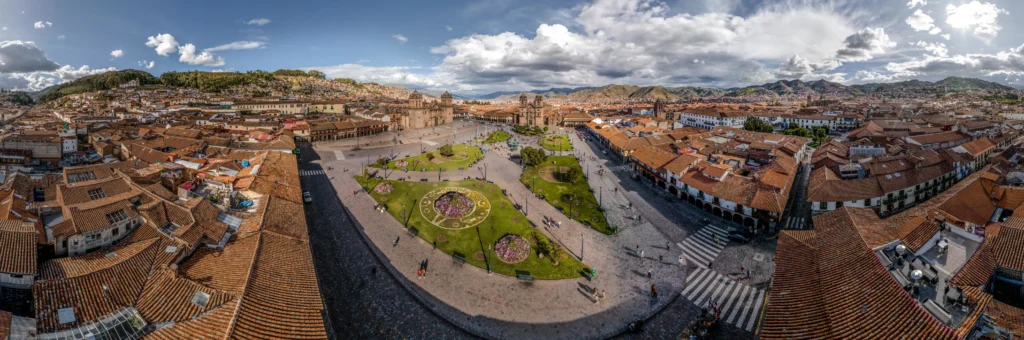
From elevated streets and viewpoints in San Blas, visitors can see parts of central Cusco, including rooftops and historic buildings around the Plaza de Armas. The exact view depends on the location and weather.
Final Thoughts
San Blas Cusco is much more than a stop on a city tour. It is a neighborhood where history, art, craftsmanship, architecture, food, and everyday life come together.
From the historic Iglesia de San Blas and Plaza San Blas Cusco to the colorful artisan workshops, Mercado San Blas, steep cobblestone streets, and panoramic views, the neighborhood offers a slower and more intimate way to experience the city.
Its tradición artesanal remains one of its greatest attractions, but its appeal goes beyond shopping. San Blas provides an opportunity to understand the creative side of Cusco and see how ancient Andean traditions continue to influence contemporary culture.
Whether you visit for a few hours or spend an entire day exploring its streets, take your time. Walk slowly, look into the small workshops, stop in the plaza, enjoy the views, try local food, and allow yourself to get a little lost.