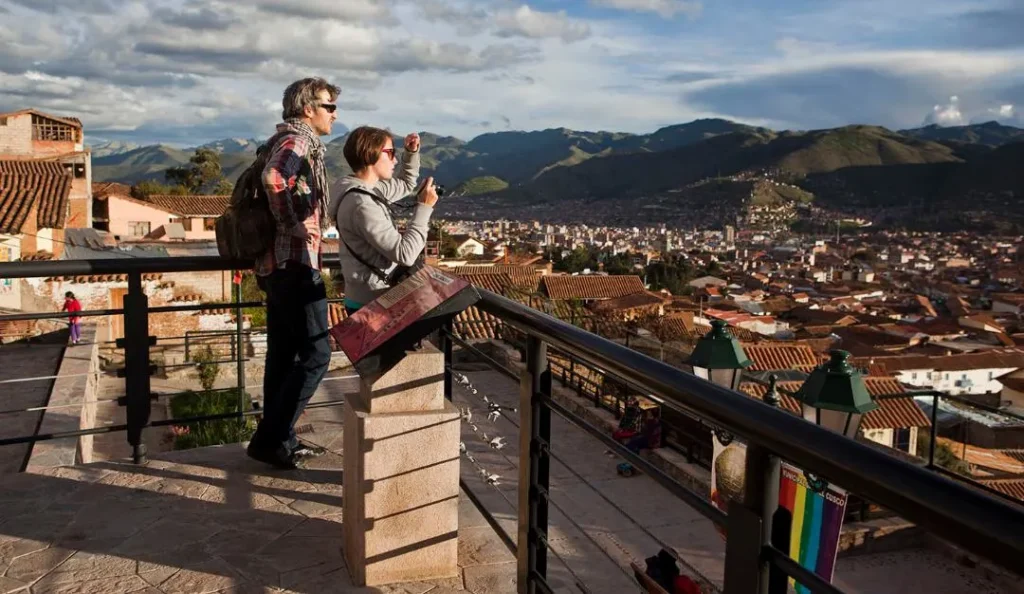
A Cusco vacation brings together Inca heritage, Andean landscapes, lively markets, and access to Machu Picchu. Once the capital of the Inca Empire, Cusco rewards travelers who look beyond its most famous day trips. Stone-lined streets, neighborhood viewpoints, traditional food, and archaeological sites make the city a destination worth exploring slowly rather than simply a stop before the train.
This Cusco travel guide covers vacation planning, package options, sightseeing, accommodation, and photography. Whether you want a flexible independent itinerary, a comfortable organized trip, or a combined Cusco and Machu Picchu vacation, the best approach is to leave time for altitude adjustment and choose experiences that match your interests. Five to seven days offers a useful starting point, while longer stays allow more time for the Sacred Valley and mountain excursions.
Planning a Cusco Vacation
Información general sobre viajar a Cusco
Cusco is in southeastern Peru, high in the Andes, at approximately 3,400 meters above sea level. Spanish is widely spoken, and Quechua remains an important local language. Peru’s currency is the sol, and carrying small amounts of cash is useful for markets, local transportation, and minor purchases. Days can feel warm in direct sunshine, but evenings are often cold. For comfortable Cusco Peru travel, pack layers, sun protection, sturdy walking shoes, and a waterproof outer layer regardless of the season.
Best Time to Visit Cusco
The best time to visit Cusco depends on your priorities. The generally drier period, roughly May through September, favors outdoor sightseeing and clearer mountain views, although nights can be especially cold. June through August often brings heavier visitor demand. The wetter period, approximately November through March, produces greener scenery but more frequent showers and potential travel disruption. April and October can offer a useful balance, though conditions vary. Major celebrations and holidays may also affect hotel availability, traffic, and access around central squares.
Choosing Between Dry-Season and Rainy-Season Travel
Choose the drier months if hiking and landscape photography dominate your itinerary, but reserve popular services early. Rainy-season travel can still be rewarding if you accept changing conditions and build flexibility into each day. Schedule outdoor activities early when practical, keep indoor alternatives available, and avoid assuming every mountain excursion will operate as planned. Some trekking routes have seasonal closures or restrictions, so check current access before paying. Neither season guarantees clear views at Machu Picchu or on high-altitude day trips.
How Many Days to Spend in Cusco
Three days allows a brief introduction, but it can feel rushed if Machu Picchu is included. A Cusco Peru vacation of five to seven days gives you more room for acclimatization, city sightseeing, the Sacred Valley, and the onward journey to Machu Picchu. Eight to ten days works better for travelers adding hikes, community-based experiences, or quieter neighborhoods. Count arrival and departure days realistically: transfers, flight schedules, and train connections can consume much of a day even when distances look short on a map.
Altitude Sickness in Cusco: Planning a Gentler Arrival
Altitude affects travelers differently, regardless of fitness. Headache, nausea, fatigue, and poor sleep can develop after arrival. Keep your first day light, avoid alcohol and strenuous activity initially, and drink normally to stay hydrated. Some travelers begin in a lower-elevation Sacred Valley location, although that does not eliminate altitude risk. Discuss prevention with a qualified clinician before travel if appropriate. Worsening symptoms require assessment; breathlessness at rest, confusion, or difficulty walking demand urgent medical attention and descent rather than continued sightseeing.
Cusco Travel Budget and Transportation
Your Cusco vacation cost depends heavily on accommodation standards, train choices, private versus shared transport, and guided activities. Machu Picchu transport and entry can account for a substantial share of the budget. Separate your estimate into lodging, meals, transfers, admissions, and optional excursions instead of comparing headline package prices alone. Central Cusco is walkable, but steep streets and altitude make short distances tiring. For airport transfers and longer journeys, arrange transportation with clear pickup details, an agreed price, and suitable luggage capacity.
What to Pack for a Cusco Vacation
Pack for changing temperatures rather than a single season. A breathable base layer, insulating midlayer, and rain-resistant jacket provide more flexibility than one heavy coat. Comfortable shoes with good grip help on uneven paving, while sunscreen, sunglasses, and a hat matter at altitude. Bring personal medication, copies of essential documents, and a small daypack. If your itinerary includes train travel, verify luggage allowances beforehand and arrange storage for larger bags where available rather than assuming every suitcase can travel with you.
Cusco Vacation Packages: Comparing Your Options
Cusco Peru Vacation Packages
Cusco Peru vacation packages usually combine accommodation with some arrangement of airport transfers, guided sightseeing, and regional excursions. However, there is no universal standard for what a package includes. One itinerary might cover only city hotels and tours, while another coordinates the Sacred Valley, train travel, and Machu Picchu admission. Compare the actual daily schedule, not just the number of nights. A well-designed package should allow realistic travel times, avoid strenuous activities immediately after arrival, and clearly distinguish confirmed services from optional additions.
What to Check Before Booking a Package
Ask for a written breakdown of room categories, meal arrangements, transfers, admission tickets, guide services, and cancellation conditions. For Machu Picchu, confirm the specific entry date, time, and circuit rather than accepting a general promise of a visit. Check whether the package price is based on shared occupancy and whether solo travelers pay a supplement. Also establish what happens if transport is delayed or an excursion cannot operate. Clear answers are more valuable than a long list of loosely described inclusions.
- Confirm every hotel location and the number of nights at each stop.
- Check whether excursions use shared groups or private transport.
- Identify excluded meals, admissions, tips, and optional activities.
- Review change fees, refund rules, and payment deadlines.
- Make sure names and document details match all reservations.
Cusco All-Inclusive Vacation Packages
Cusco all-inclusive vacation packages generally describe bundled touring arrangements rather than unlimited resort-style services. They may include lodging, selected meals, transportation, guides, and certain entrance fees, but drinks, extra activities, and personal expenses can remain excluded. Read the meal plan carefully: breakfast-only accommodation and lunches during excursions are not the same as every meal being covered. Travelers seeking predictable costs should request an itemized inclusion list and an estimate of likely additional spending before treating any package as fully inclusive.
Cusco and Machu Picchu Vacation
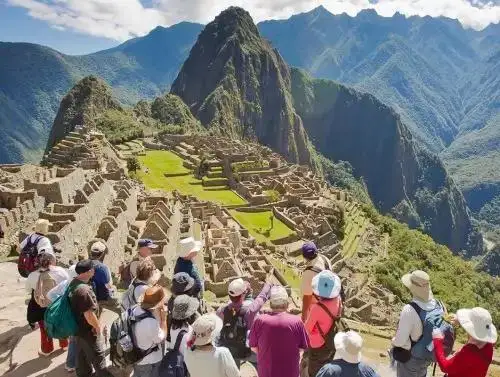
A Cusco and Machu Picchu vacation works best when the route connects the city, Sacred Valley, and Machu Picchu without unnecessary backtracking. Many itineraries travel through the valley before continuing by train to Machu Picchu Pueblo, also known as Aguas Calientes. An overnight stay there can reduce same-day travel pressure, although it adds another hotel change. Others return to Cusco after visiting. Compare total transfer time, station locations, luggage arrangements, and your tolerance for early starts before choosing between these approaches.
Machu Picchu Tickets, Circuits, and Timing
Machu Picchu tickets are tied to specific access conditions, and available circuits do not all follow the same route or provide identical viewpoints. Mountain hikes may require separate ticket categories and additional physical preparation. Check current rules, document requirements, guide requirements, and entry restrictions before booking connecting transport. Reserve popular dates well ahead when possible, especially during busy periods. Avoid choosing tickets from photographs alone: the route associated with a particular image may not match the circuit available for your travel date.
Private, Shared, and Family Vacation Packages
Private Cusco vacation packages offer greater control over departure times and sightseeing pace, making them useful for families, photographers, and travelers with specific mobility needs. Shared tours can reduce costs but usually operate on fixed schedules with less flexibility. Family itineraries benefit from shorter outings, meal breaks, and hotels with reliable heating. For any accessibility concern, request precise information about stairs, walking surfaces, vehicle access, and bathroom availability. Descriptions such as “easy” or “suitable for everyone” are too vague for informed planning.
Things to Do During a Cusco Vacation
Cusco Sightseeing Around the Plaza de Armas
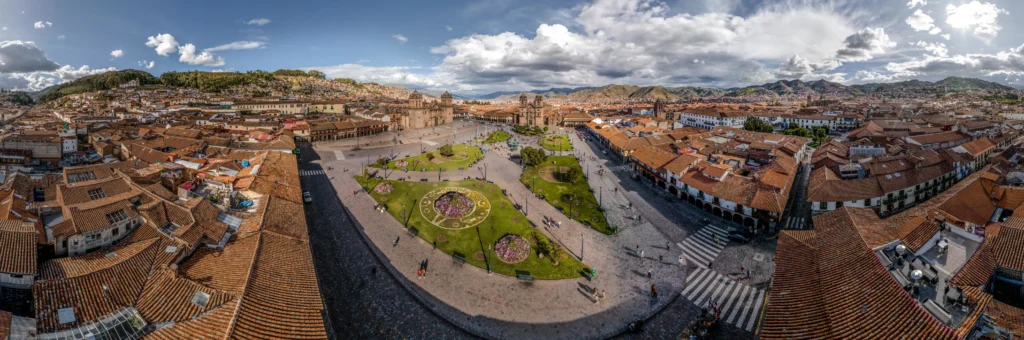
Begin your Cusco sightseeing around the Plaza de Armas, where arcaded buildings, churches, and hillside views introduce the city’s layered history. The surrounding streets reveal Inca masonry beneath later architecture, creating an open-air lesson in how Cusco changed over time. Take a slow walk, pause on a bench, and explore nearby lanes rather than trying to cover every landmark immediately. Religious buildings and museums may have separate admission fees, visiting hours, and photography rules, so check access before adding them to your route.
Things to Do in Cusco City Center
The best things to do in Cusco city center combine major landmarks with unhurried exploration. Walk along streets known for carefully fitted stonework, visit a museum that matches your interests, and leave time for courtyards and small public spaces. The famous twelve-angled stone is a popular stop, but the surrounding masonry deserves attention too. Do not touch or climb historic walls. A guided walk can help distinguish original Inca construction from later modifications and explain details that are easy to miss independently.
Qorikancha and Cusco’s Architectural Layers
Qorikancha was an important Inca religious complex and remains central to understanding the city’s history. Its surviving stonework and the later religious construction above and around it illustrate both architectural continuity and colonial transformation. Visit with enough time to examine the masonry, spatial arrangement, and interpretation rather than treating it as a quick photo stop. Access arrangements can differ between the main complex and nearby museum areas, so confirm exactly what your ticket covers and whether your planned visit requires separate admissions.
San Blas Neighborhood and Hillside Streets
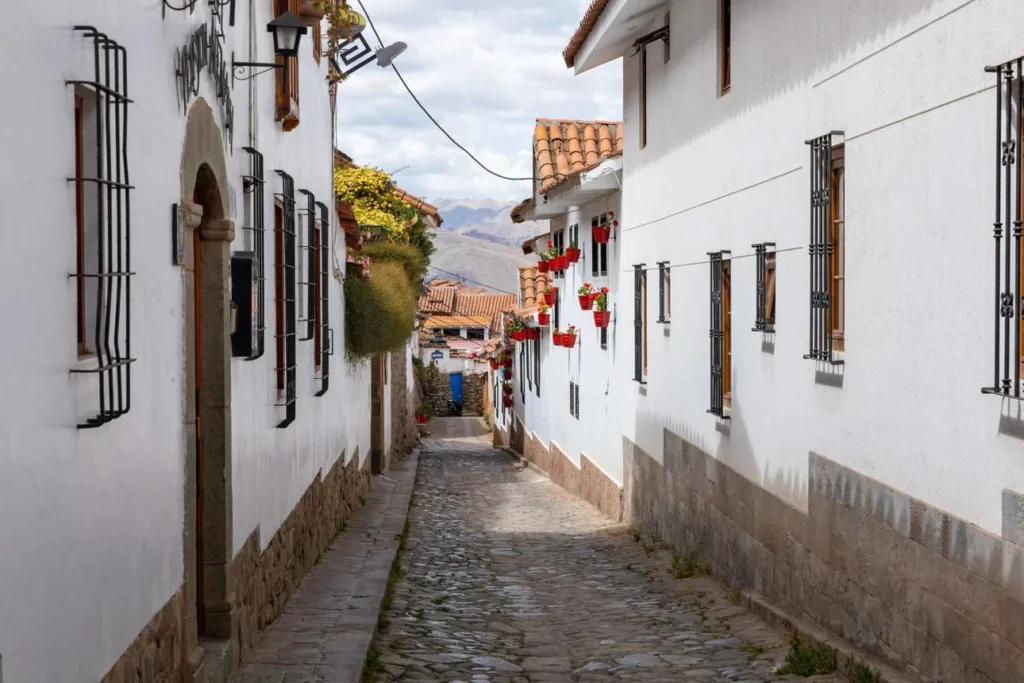
San Blas is known for steep lanes, workshops, small squares, and elevated views over Cusco. It suits travelers who enjoy browsing handmade objects and exploring on foot, but the uphill approach can be demanding soon after arrival. Visit once you feel comfortable at altitude, wear shoes with good traction, and allow frequent pauses. If you are considering accommodation here, remember that a scenic hillside address may also mean stairs, limited vehicle access, and a longer walk back after dinner.
San Pedro Market and Traditional Cusco Food
Visiting San Pedro Market introduces everyday ingredients, produce, bread, juices, and regional cooking. Walk through first to understand the layout, then choose purchases thoughtfully rather than stopping at the first stall. For prepared food, favor busy places where dishes are freshly cooked and served hot. Travelers with sensitive stomachs should be cautious with untreated water, ice, and raw produce. Beyond the market, explore soups, potato-based dishes, corn, and other Andean staples. Explain allergies clearly, since ingredients and preparation methods vary.
Sacsayhuamán and Archaeological Sites Near Cusco
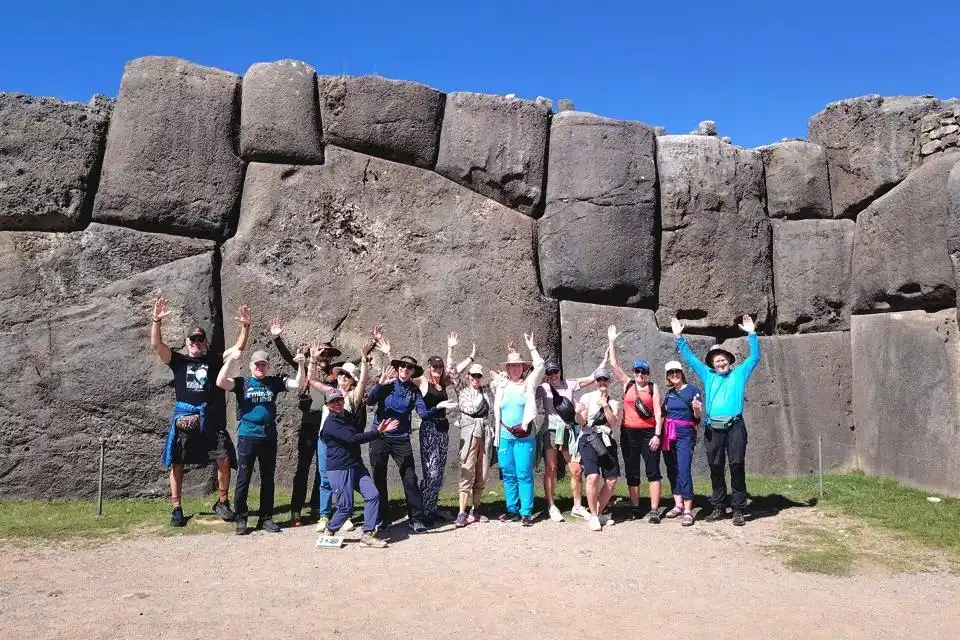
Sacsayhuamán, above the city, is famous for monumental stone walls and broad views. Its open setting makes sun protection, water, and weather layers especially useful. Nearby archaeological stops can form a longer excursion, but combining everything in one outing may create more walking than expected. Check which sites require individual tickets and which are covered by a multi-site tourist ticket. These passes have conditions and validity periods, and they do not automatically include every attraction in Cusco or admission to Machu Picchu.
Sacred Valley Day Trips from Cusco
A Sacred Valley tour adds agricultural landscapes, historic settlements, and major archaeological sites to your vacation. Pisac and Ollantaytambo are common choices, while Maras and Moray offer different perspectives on salt production and agricultural engineering. Trying to fit every stop into one day can leave little time for meaningful visits. Choose a route based on your interests, or spend a night in the valley. Some locations have separate fees, and walking routes can involve steep steps or uneven ground.
Rainbow Mountain and High-Altitude Hiking
Rainbow Mountain from Cusco is a popular excursion, but it involves substantially higher altitude than the city and often a very early departure. Cold, wind, changing visibility, and strenuous walking can make the outing harder than promotional images suggest. Allow acclimatization time and assess your health honestly before committing. Scenic alternatives may be more appropriate if altitude symptoms persist or you prefer a gentler day. Avoid placing a demanding mountain hike immediately after arrival or treating it as an essential experience for every traveler.
Cultural Experiences and Responsible Shopping
Textile demonstrations, cooking sessions, and locally guided cultural activities can deepen your understanding of the region when they are respectfully organized. Look for experiences that explain techniques and context rather than promising a staged glimpse of “authentic” life. Ask permission before photographing participants, follow local guidance, and avoid interrupting work or ceremonies. When buying textiles or crafts, ask about materials, production methods, and origin. Handmade work varies widely in quality and price, so purchase based on informed appreciation rather than assumptions.
Cusco Vacation Rentals and Where to Stay
Vacation Rentals in Cusco Peru
Vacation rentals in Cusco Peru can suit families, small groups, and travelers staying long enough to appreciate a kitchen or separate living space. An apartment may provide more room than a hotel, but service levels differ considerably. Confirm whether cleaning, luggage storage, heating, and arrival assistance are included. Reliable hot water is particularly important in Cusco’s cool climate. Look beyond attractive interior photographs and ask practical questions about stairs, street access, nighttime noise, and how problems are handled during your stay.
Choosing the Best Area for Cusco Vacation Rentals
For a first visit, a central location can reduce transfer costs and make sightseeing easier. Accommodation near the historic center provides access to restaurants and landmarks, although busy streets may be noisy. San Blas offers atmosphere and views but frequently involves uphill walking. Properties farther from tourist areas may provide better value or additional space, yet transportation can offset the savings. When comparing Cusco vacation rentals, check the actual walking route and elevation changes rather than relying only on distance from the main square.
Rental Amenities and Booking Checks
Prioritize amenities that affect daily comfort: dependable hot water, suitable bedding, safe heating, a functional kitchen, and reliable internet if needed. Ask whether the entire property is private and whether any spaces are shared. Confirm check-in arrangements for delayed flights and early arrivals, along with payment terms and cancellation conditions. For longer stays, ask about laundry and utility charges. Avoid assuming that “fully equipped” guarantees every convenience, and request clarification whenever the description leaves important details uncertain.
Vacation Rentals Versus Hotels
Hotels often offer easier luggage storage, staffed assistance, and simpler arrangements for short stays with multiple excursions. Rentals can be more comfortable when you want extra space, flexible meals, or a residential setting. Neither option is automatically cheaper once cleaning fees, breakfast, transport, and other charges are considered. Compare the total stay cost and the support you expect to need. If your itinerary involves frequent early departures, having someone available to help with transportation or access issues may be especially valuable.
Cusco Photos: Viewpoints and Photography Tips
Where to Take Memorable Cusco Photos
The best Cusco photos often come from combining wide city views with smaller architectural details. The Plaza de Armas offers layered compositions of buildings and surrounding hills, while San Blas provides narrow streets and elevated perspectives. Sacsayhuamán adds monumental stonework and open landscapes. Early morning can bring quieter streets; late afternoon often provides warmer light. Weather changes quickly, so protect your camera or phone from rain and avoid planning an entire visit around one supposedly guaranteed sunset or clear mountain view.
Photographing People, Markets, and Sacred Places
Ask permission before taking close photographs of people, particularly children, vendors, and participants in ceremonies. If a portrait involves payment, agree on it beforehand. Respect restrictions inside religious buildings, museums, and archaeological areas, and do not use flash where prohibited. Drones may require authorization or be banned, so never assume open airspace means unrestricted flying. Thoughtful travel photography should document your visit without blocking pathways, interrupting worship, or turning someone else’s daily routine into an unwanted performance.
A Balanced Seven-Day Cusco Vacation Itinerary
Days One and Two: Arrival and Gentle City Exploration
Use the first day for your transfer, settling into accommodation, and a short walk if you feel well. Keep meals and activities simple, with plenty of time to rest. On day two, explore the Plaza de Armas, nearby stone-lined streets, and one indoor attraction at a comfortable pace. Add more only if you are adjusting well. This slower beginning is not wasted time: it helps you understand the city while avoiding the pressure of a prepaid, physically demanding excursion immediately after arrival.
Days Three and Four: Cusco and the Sacred Valley
On day three, consider Qorikancha, San Blas, or Sacsayhuamán, choosing a manageable combination rather than a checklist. Travel into the Sacred Valley on day four, focusing on a limited number of stops with time for lunch and exploration. Depending on confirmed train arrangements, stay in the valley or continue toward Machu Picchu Pueblo. Keep essential documents and an overnight bag accessible. This sequence can reduce backtracking, but the exact route should follow your accommodation, transport, and entry reservations.
Days Five to Seven: Machu Picchu and Flexible Time
Plan day five around your reserved Machu Picchu entry, allowing adequate time for local transfers and any required procedures. Return according to your train schedule rather than squeezing in additional commitments. Use day six for rest, shopping, a cultural activity, or another excursion if you feel fully acclimatized. Keep day seven compatible with your departure time, leaving a generous transfer buffer. If possible, avoid scheduling Machu Picchu immediately before a nonrefundable onward flight, since transport disruption can affect carefully planned connections.
Final Cusco Travel Checklist
A rewarding Cusco vacation depends less on covering every attraction than on making well-matched choices. Confirm the essential reservations, understand altitude demands, and leave room for weather and personal energy levels. Packages offer coordination, independent travel offers flexibility, and either can work with thoughtful planning. Choose accommodation for comfort and access, not photographs alone, and let quieter moments between major sights become part of the experience.
- Reserve Machu Picchu entry and coordinate transport before finalizing surrounding plans.
- Keep your arrival day light and monitor altitude symptoms.
- Check package inclusions, rental amenities, and cancellation terms.
- Pack layers, rain protection, and comfortable walking shoes.
- Carry identification, useful reservation details, and some local currency.
- Leave space for delays, rest, and discoveries beyond your itinerary.
Leave a Reply