Cusco is one of the best places in Peru to explore the remains of the Inca civilization. The city and surrounding valleys are filled with temples, ceremonial centers, fortifications, terraces, water systems, and ancient settlements that reveal how advanced the Incas were in architecture, engineering, agriculture, and religion. From the enormous stone walls of Sacsayhuaman to the peaceful water fountains of Tambomachay, the Cusco archaeological sites offer a fascinating introduction to the history of the Inca Empire.
Many of the most famous ruins are located just outside the historic center, making them easy to visit in a single half-day or full-day excursion. Others are farther away and can be combined with scenic landscapes and traditional villages. Understanding where each site is located, what it was used for, and how the sites relate to one another makes visiting Cusco’s ruins much more rewarding.
What Are the Main Archaeological Sites in Cusco?
The most famous archaeological sites around Cusco are often called the Cusco archaeological sites or the four ruins of Cusco. These four major sites are Sacsayhuaman, Qenqo, Puka Pukara, and Tambomachay. They are located relatively close to one another north of the city and are commonly visited together.
Each site has a different character. Sacsayhuaman is famous for its monumental stonework and enormous defensive-looking terraces. Qenqo is associated with ceremonial and religious activities and contains carved rock formations and underground spaces. Puka Pukara appears to have served as a control and administrative point along an important route, while Tambomachay is especially associated with water and ritual.
The Four Main Archaeological Sites
- Sacsayhuaman – A monumental complex known for enormous precisely fitted stones, terraces, and spectacular views over Cusco.
- Qenqo – A ceremonial archaeological complex featuring carved limestone, underground chambers, channels, and ritual spaces.
- Puka Pukara – A smaller fortified-looking complex believed to have been connected with road control, administration, and travelers.
- Tambomachay – A ceremonial water complex famous for its fountains, channels, and finely worked stonework.
Together, these sites provide an excellent introduction to Inca architecture and the cultural landscape surrounding Cusco. They are close enough to visit during the same excursion, but each one represents a different aspect of life in the Inca world.
Best Archaeological Sites Near Cusco
The best archaeological sites near Cusco depend on what you want to experience. Travelers interested in monumental architecture should prioritize Sacsayhuaman. Those fascinated by Inca religion and ceremonial traditions may prefer Qenqo and Tambomachay. If you want a more complete understanding of the region, visiting several sites together provides a much richer experience.
Sacsayhuaman
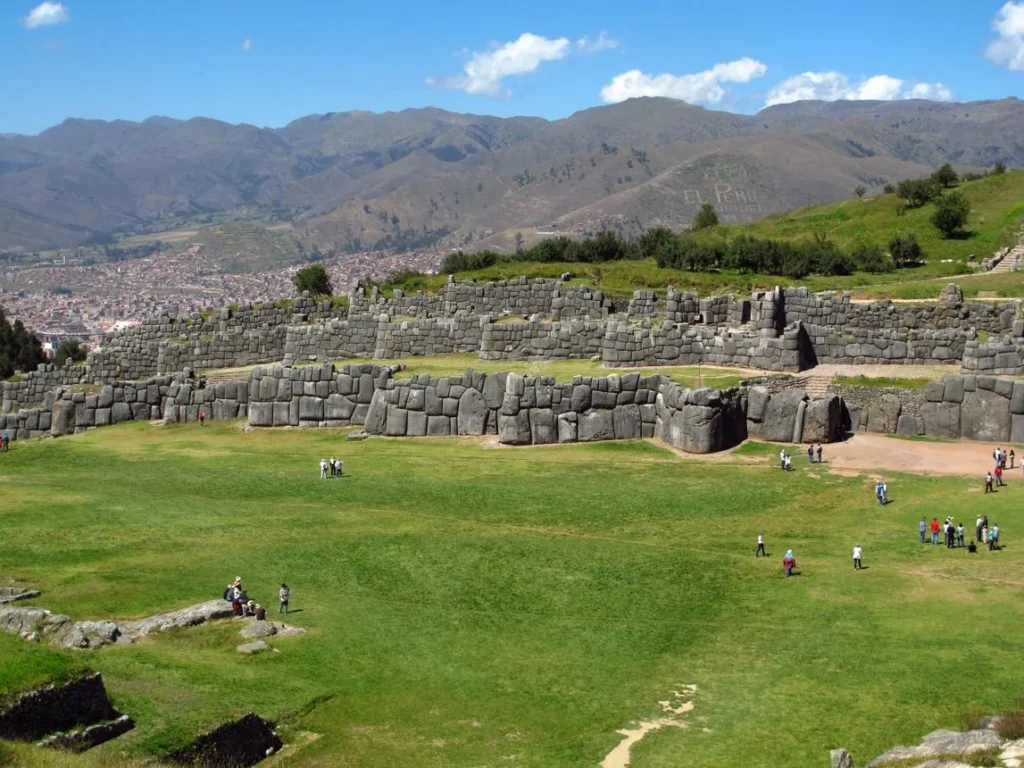
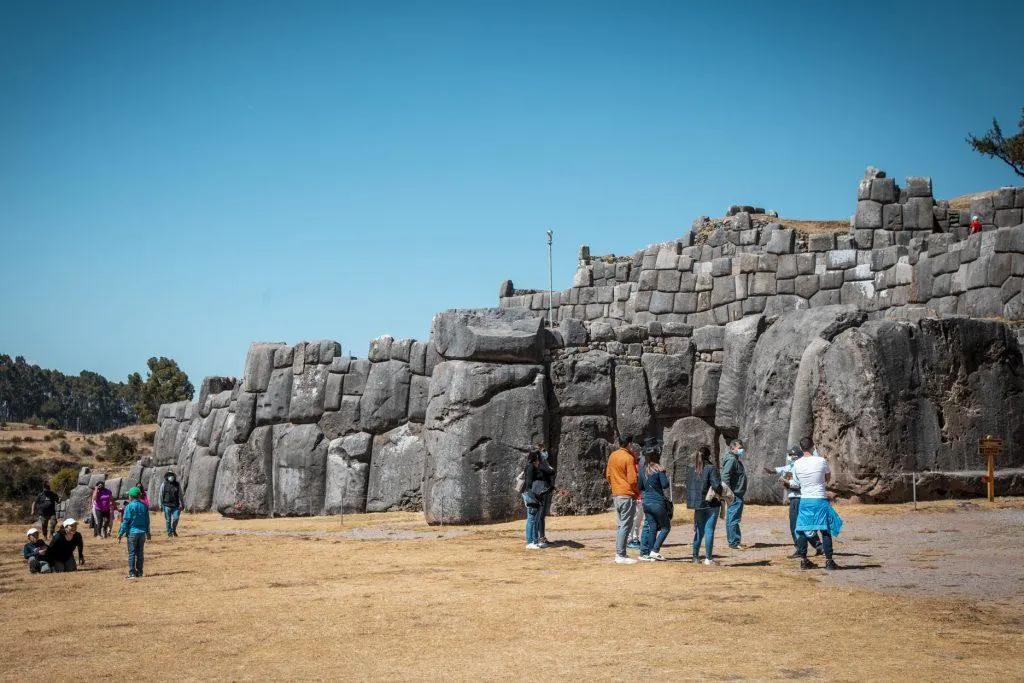
Sacsayhuaman is arguably the most impressive of the archaeological sites around Cusco. The complex occupies a strategic hillside overlooking the city and is characterized by huge zigzagging walls made from enormous blocks of stone.
The precision of the masonry is one of the site’s most remarkable features. Massive stones were shaped and fitted together without conventional mortar, creating walls that have survived centuries of earthquakes and changing weather conditions. The scale of the construction demonstrates the extraordinary organizational capacity of the Inca state.
Sacsayhuaman is also associated with important ceremonial activities and is closely connected with Cusco’s history. Its broad terraces, open spaces, and elevated position make it one of the most memorable places to visit near the city.
Why Sacsayhuaman Is Important
Sacsayhuaman should not be understood simply as a fortress. Its exact functions were complex and likely included ceremonial, religious, political, and defensive purposes. Its relationship with Cusco itself was particularly important because the site formed part of the larger sacred and symbolic landscape of the Inca capital.
Qenqo
Qenqo is one of the most intriguing ruins near Cusco because many of its features are connected with ceremonial activities. The name Qenqo is generally associated with a winding or zigzag form, reflecting the channels and carved features found at the site.
The archaeological complex is centered around a large limestone outcrop that has been extensively carved. Visitors can see channels, steps, niches, and other features that indicate that the stone itself was incorporated into ceremonial architecture.
One of Qenqo’s most fascinating features is its partially underground chamber. The cool, enclosed space creates a very different atmosphere from the open terraces of Sacsayhuaman and provides a glimpse into the ritual aspects of Inca architecture.
Puka Pukara
Puka Pukara, whose name is commonly translated as “Red Fortress,” is located farther along the road toward the Cusco highlands. The complex consists of terraces, walls, courtyards, and elevated structures that provide excellent views of the surrounding landscape.
Its strategic location has led researchers to associate Puka Pukara with the control of movement along an important route. It may also have provided facilities for travelers, messengers, administrators, and others moving through the area.
Although smaller than Sacsayhuaman, Puka Pukara is valuable because it demonstrates how the Incas integrated architecture with the surrounding terrain. The site feels particularly connected to the road network that allowed people, goods, information, and military forces to move across the empire.
Tambomachay
Tambomachay is one of the most attractive archaeological sites near Cusco for visitors interested in Inca water engineering. The site contains finely constructed stone channels and fountains through which water continues to flow.
Water had enormous practical and spiritual importance in Inca society. Springs and sources of water could be incorporated into ceremonial spaces, and Tambomachay appears to have had an important ritual relationship with this element.
The carefully constructed channels demonstrate the Incas’ ability to manage water with remarkable precision. Surrounded by green mountain landscapes, Tambomachay also offers a quieter experience compared with the larger and busier archaeological attractions.
Other Archaeological Sites Near Cusco
The four famous ruins are only part of the archaeological heritage around Cusco. Travelers who have more time can explore additional sites in the surrounding valleys and mountains.
Pisac Archaeological Site
The archaeological complex of Pisac is located in the Sacred Valley and combines impressive terraces, religious structures, residential areas, and agricultural landscapes. Its position high above the modern town provides spectacular views across the valley.
Pisac is particularly interesting because it demonstrates the relationship between Inca settlement planning and agriculture. The terraces transformed steep mountain slopes into productive farmland while also reducing erosion and managing water.
Ollantaytambo
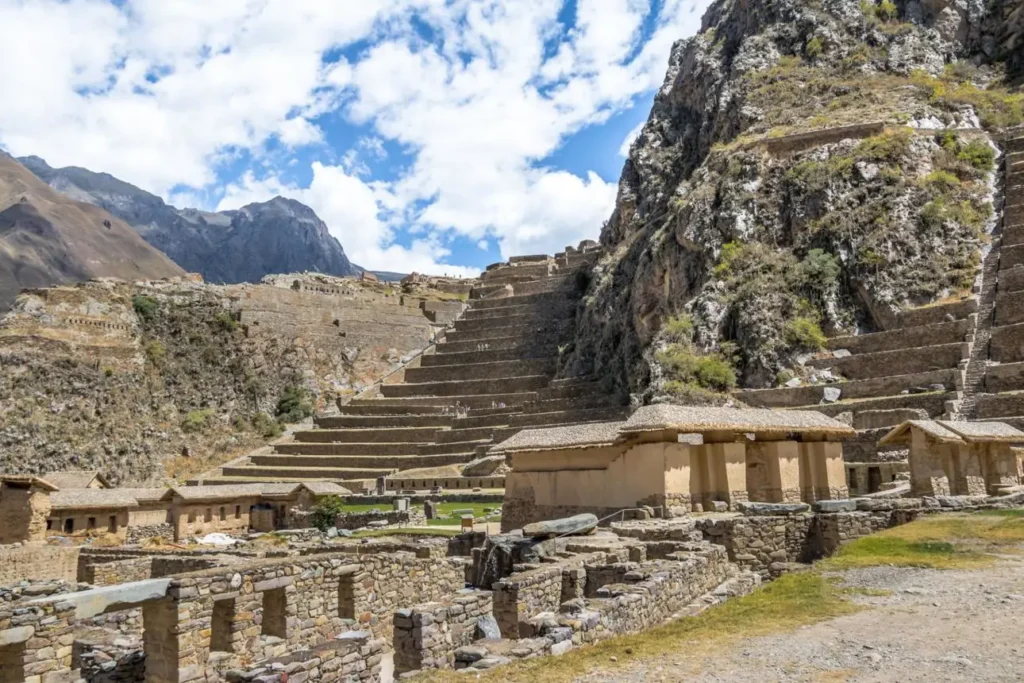
Ollantaytambo is one of the most extraordinary surviving examples of Inca urban planning. The archaeological complex rises dramatically above the modern town and includes terraces, ceremonial structures, storage buildings, and massive stonework.
The modern town retains much of the original Inca street layout, making Ollantaytambo especially valuable for understanding how an Inca settlement functioned as a living urban environment.
Moray
Moray is famous for its unusual circular agricultural terraces. Concentric terraces descend into large natural depressions, creating a visually striking landscape.
The site is often associated with agricultural experimentation, although the exact purpose of Moray remains a subject of discussion. Its unusual microclimates and carefully engineered terraces demonstrate the sophistication of Inca agricultural practices.
Chinchero
Chinchero combines archaeological remains, colonial architecture, agricultural terraces, and living Andean culture. The Inca remains include terraces and walls that reveal the importance of the area before Spanish colonization.
Because archaeological and colonial structures exist side by side, Chinchero offers a particularly interesting perspective on the transformation of the Cusco region after the arrival of the Spanish.
Tipon
Tipon is an excellent destination for travelers interested in Inca hydraulic engineering. The site contains terraces, channels, fountains, and carefully designed watercourses.
The continued flow of water through some of its channels illustrates the effectiveness of Inca engineering. Tipon also tends to be less crowded than some of the most famous attractions, making it appealing to travelers who want a quieter archaeological experience.
Cusco Archaeological Sites and Inca History
To understand the Cusco archaeological sites, it helps to understand the historical importance of Cusco itself. The Incas transformed Cusco into the political and religious center of a vast empire known as Tawantinsuyu.
According to traditional Inca history, Cusco was founded by Manco Capac and Mama Ocllo, although the archaeological development of the region was much more complex and involved cultures that existed before the rise of the Inca state.
The Inca expansion accelerated during the fifteenth century, particularly under rulers such as Pachacuti. During this period, Cusco was transformed through monumental construction projects, new religious spaces, agricultural terraces, roads, and carefully planned settlements.
Architecture and Engineering
One of the defining characteristics of Inca architecture is its adaptation to the mountainous environment. Rather than ignoring the landscape, Inca builders incorporated slopes, natural rock formations, springs, and existing terrain into their designs.
Important architectural features include:
- Precisely cut stone masonry
- Agricultural terraces
- Water channels and fountains
- Stone stairways
- Ceremonial platforms
- Storage facilities
- Roads and pathways
- Defensive and administrative structures
- Religious and ceremonial spaces
The archaeological sites around Cusco should therefore be viewed as interconnected elements of a larger cultural landscape rather than isolated ruins.
Religion and Sacred Landscapes
The Incas considered natural features such as mountains, springs, rivers, caves, and unusual rock formations to have spiritual importance. Many archaeological sites were positioned in locations that connected architecture with these sacred elements.
This helps explain why water, mountains, agricultural terraces, and carefully carved rocks appear repeatedly throughout the archaeological landscape surrounding Cusco.
Archaeological Sites Around Cusco
The archaeological sites around Cusco can be divided broadly into sites immediately surrounding the city and sites farther into the Sacred Valley and southern valleys.
The four principal ruins—Sacsayhuaman, Qenqo, Puka Pukara, and Tambomachay—are the easiest to combine because they are relatively close together. A wider exploration can include Pisac, Ollantaytambo, Chinchero, Moray, and other destinations.
Choosing Sites According to Your Interests
Different archaeological sites appeal to different types of travelers:
- For monumental architecture: Sacsayhuaman and Ollantaytambo
- For water engineering: Tambomachay and Tipon
- For agriculture: Moray and Pisac
- For ceremonial architecture: Qenqo and Sacsayhuaman
- For Inca urban planning: Ollantaytambo
- For panoramic mountain scenery: Pisac and Sacsayhuaman
- For a quieter experience: Tipon and some lesser-visited sites
- For a combination of archaeology and living culture: Chinchero
This variety is one reason Cusco is such an important archaeological destination. You do not have to visit only one type of ruin; different sites reveal different parts of Inca civilization.
Cusco Archaeological Sites Map
A Cusco archaeological sites map is useful because the ruins are spread across several directions from the city. The four principal sites north of Cusco can be combined easily, while destinations such as Pisac and Ollantaytambo require longer journeys into the Sacred Valley.
A simplified geographic organization looks like this:
- Cusco city: Historic Center, Qorikancha, and other historic remains
- North of Cusco: Sacsayhuaman, Qenqo, Puka Pukara, Tambomachay
- South of Cusco: Tipon and other archaeological attractions
- Sacred Valley: Pisac, Chinchero, Ollantaytambo, Moray and nearby sites
- Further from Cusco: More extensive archaeological destinations requiring full-day or multi-day travel
Understanding the geography helps you choose between a short Cusco ruins tour and a longer archaeological itinerary.
Cusco Archaeological Sites Tours
Cusco archaeological sites tours are one of the easiest ways to explore the major ruins because transportation can be organized between several sites in a single excursion. A typical tour of the four principal ruins takes visitors from Cusco toward the northern hills before returning to the city.
A guided visit can also make a major difference. The stone walls, terraces, and water channels are impressive visually, but understanding their possible functions and historical context gives the sites much greater meaning.
The Four Ruins Tour
A classic itinerary generally includes:
- Sacsayhuaman
- Qenqo
- Puka Pukara
- Tambomachay
The order may vary depending on the itinerary and transportation arrangements. The excursion can take several hours and may be combined with a visit to other attractions in Cusco.
Cusco Archaeological Sites Tours and Private Visits
Travelers who prefer flexibility may choose a private tour. This allows more time at individual sites and makes it easier to adapt the pace to personal interests.
A private tour can be especially useful for families, photographers, older travelers, or visitors who want more time to learn about specific architectural details.
Cusco Ruins Tour: What to Expect
A Cusco ruins tour typically involves walking on uneven terrain, climbing stairs, and spending time outdoors at high altitude. Even the sites closest to the city can require moderate physical effort.
Sacsayhuaman has broad terraces and stone pathways, while Qenqo includes uneven surfaces and enclosed areas. Puka Pukara involves walking across archaeological structures, and Tambomachay requires a short walk around the ceremonial water complex.
What to Bring
For a comfortable archaeological excursion, consider bringing:
- Comfortable walking shoes
- Water
- Sun protection
- Hat or cap
- Sunglasses
- Light layers of clothing
- Rain protection during the wet season
- Camera or smartphone
- Small backpack
- Identification documents
- Any required entrance-ticket documentation
Weather can change quickly in the Andes, so carrying a light rain jacket is useful even when the morning begins sunny.
How to Visit the Archaeological Sites in Cusco
There are several ways to visit the Cusco archaeological sites. The best option depends on how much time you have, your interest in history, and whether you prefer independent travel or a guided experience.
Visit the Four Ruins Together
For first-time visitors, combining Sacsayhuaman, Qenqo, Puka Pukara, and Tambomachay is one of the most practical options. The sites are geographically close and can be explored during one excursion.
This approach provides a balanced introduction to Inca architecture without requiring an entire day of travel.
Visit Independently
Independent travelers can organize transportation and visit the sites according to their own schedule. This provides flexibility but requires more planning, particularly regarding transportation between the ruins.
A map and advance information about opening arrangements and entrance requirements can make independent visits easier.
Hire a Guide
A professional guide can explain architectural features, historical context, religious traditions, and the relationship between different archaeological sites.
Without interpretation, it can sometimes be difficult to understand why certain walls, terraces, channels, or carved rocks were important. A knowledgeable guide helps transform what might appear to be a collection of old stones into a coherent historical landscape.
Consider Altitude
Cusco is located at high altitude, and visitors arriving from lower elevations may need time to adjust. Walking slowly, drinking water, avoiding excessive physical effort at first, and allowing your body to acclimatize can make archaeological visits more comfortable.
The ruins themselves are not all at exactly the same elevation, and some involve considerable walking, so planning a realistic itinerary is important.
Cusco Archaeological Museum
The Cusco Archaeological Museum can complement a visit to the ruins by providing additional historical and cultural context. Museums are particularly useful because archaeological sites often show the physical remains of structures, while museum collections can help visitors understand artifacts, artistic traditions, technologies, and the broader development of Andean civilizations.
Before visiting the ruins, a museum visit can provide useful background. After visiting them, museum displays may help explain details that were difficult to recognize in the field.
Why Visit a Museum Before the Ruins?
Seeing artifacts and learning about Andean cultures before visiting archaeological sites can make the experience more meaningful. Visitors begin to recognize differences between periods and cultures rather than viewing every archaeological structure as simply “Inca.”
This is particularly important in the Cusco region because the history of the Andes did not begin with the Inca Empire. Several earlier societies contributed to the cultural development of the region.
Planning a Cusco Archaeological Sites Itinerary
If you have only one day available for archaeology, the four main ruins provide an excellent introduction. If you have two or three days, you can expand your itinerary to include Sacred Valley sites and less-visited archaeological attractions.
One-Day Archaeological Experience
A practical one-day plan might focus on:
- Sacsayhuaman
- Qenqo
- Puka Pukara
- Tambomachay
- Additional time in central Cusco
This itinerary is ideal for travelers who want to see the most accessible ruins without spending the entire day on long-distance transportation.
Two-Day Archaeological Experience
With two days, you can dedicate one day to the four ruins and another to destinations such as Pisac, Ollantaytambo, Chinchero, or Moray.
This allows you to compare different forms of Inca architecture and understand how the archaeological landscape extends beyond Cusco itself.
Three or More Days
Travelers with additional time can explore a broader selection of archaeological sites and combine them with traditional communities, markets, mountain scenery, and other cultural attractions.
A longer itinerary is particularly worthwhile for travelers whose main interest is Inca history rather than simply checking off the most famous attractions.
Why Cusco’s Archaeological Sites Are Worth Visiting
The archaeological sites of Cusco offer much more than impressive ruins. They tell the story of a civilization that developed sophisticated approaches to construction, agriculture, water management, transportation, religion, and political organization.
The massive walls of Sacsayhuaman demonstrate the scale of Inca construction. Qenqo reveals the importance of ceremonial spaces and carved natural rock. Puka Pukara illustrates the relationship between architecture and transportation routes, while Tambomachay highlights the importance of water.
Further afield, Pisac and Moray demonstrate agricultural innovation, Ollantaytambo reveals extraordinary urban planning, and Tipon provides another outstanding example of hydraulic engineering.
Frequently Asked Questions About Cusco Archaeological Sites
What are the four main archaeological sites near Cusco?
The four most commonly visited archaeological sites immediately around Cusco are Sacsayhuaman, Qenqo, Puka Pukara, and Tambomachay. They are located north of the city and are frequently visited together.
Which archaeological site is closest to Cusco?
Sacsayhuaman is one of the closest major archaeological complexes to central Cusco. Its elevated location also provides outstanding views across the city.
How long do you need to visit the Cusco ruins?
A half-day can be enough to visit the four main ruins at a relatively efficient pace. Travelers who want more time for photography, exploration, and explanations may prefer a longer excursion.
Can you visit the Cusco archaeological sites without a guide?
Yes, independent visits are possible, but a guide can add considerable historical context. The significance of many architectural features is not immediately obvious without explanation.
Which Cusco ruins should you visit first?
For a first visit, Sacsayhuaman is an excellent starting point because of its monumental scale. You can then continue to Qenqo, Puka Pukara, and Tambomachay to see how different archaeological functions were represented around the city.
Are the archaeological sites around Cusco difficult to walk?
Most require some walking over uneven ground, stone paths, terraces, or stairs. The difficulty varies by site. Visitors should also remember that Cusco is at high altitude, which can make physical activity feel more demanding.
Final Thoughts on Cusco Archaeological Sites
Exploring the Cusco archaeological sites is one of the best ways to understand the history of the Inca Empire and the cultural landscape of the Andes. The four famous ruins—Sacsayhuaman, Qenqo, Puka Pukara, and Tambomachay—offer a convenient introduction, but they represent only a small part of the archaeological heritage surrounding the city.
For a deeper experience, expand your journey to include Pisac, Ollantaytambo, Moray, Chinchero, Tipon, and other archaeological sites around Cusco. Each reveals a different aspect of Inca civilization, from monumental stone construction and ceremonial traditions to agriculture, water management, transportation, and urban planning.
Whether you choose a short Cusco ruins tour or spend several days exploring the wider region, the most rewarding approach is to see the sites as parts of one interconnected landscape. Cusco was not simply a city surrounded by isolated ruins. It was the heart of an extraordinary network of roads, settlements, sacred places, agricultural terraces, temples, water systems, and ceremonial centers that together reveal the sophistication and ambition of the Inca world.
Leave a Reply