A Cusco trip combines Inca archaeological sites, Andean scenery, traditional communities, and access to Machu Picchu. As a former Inca capital, Cusco is more than a transportation hub: its historic streets, markets, museums, and surrounding valleys deserve time of their own. The challenge is choosing an itinerary that balances sightseeing, travel distances, and adjustment to the altitude.
This Cusco travel guide groups the main planning topics, including Cusco trip itineraries, travel packages, journeys from Lima, Machu Picchu excursions, Sacred Valley tours, and high-altitude adventures. You will also find practical guidance for extending your journey toward Puno and Lake Titicaca. Whether you have three days or a full week, the best approach is to prioritize your essential experiences rather than fit every attraction into one rushed schedule.
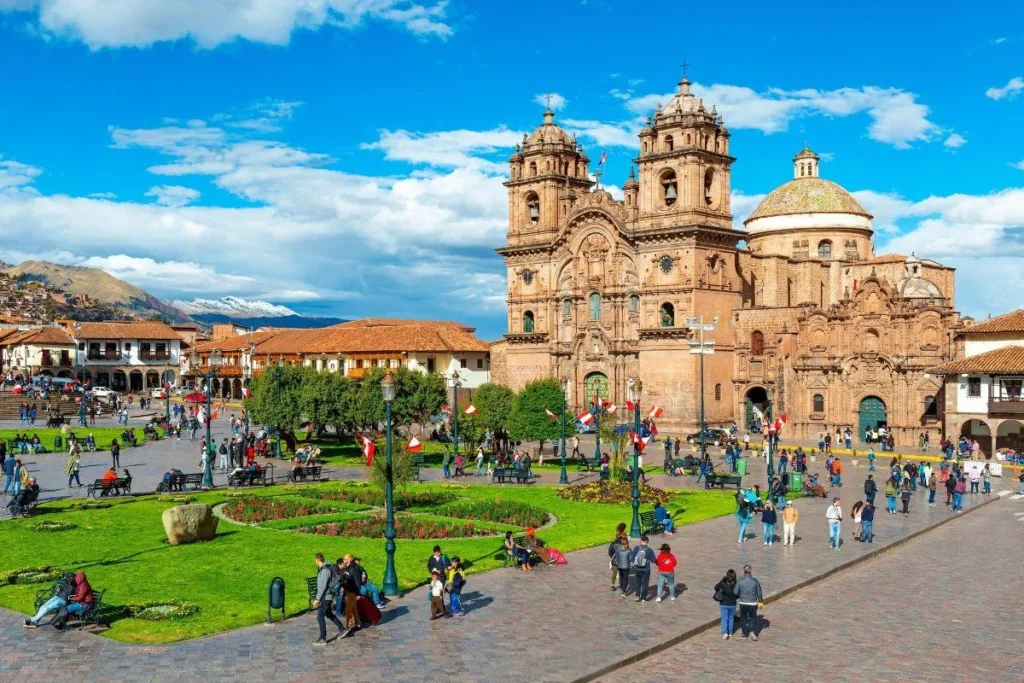
Cusco Travel Guide: Essential Planning Information
Best Time to Visit Cusco
The best time to visit Cusco depends on your priorities. The generally drier period, approximately May through September, offers favorable conditions for sightseeing and hiking, although nights can be cold and popular attractions busy. Wetter months bring greener landscapes and more variable conditions, with rain potentially affecting trails and transportation. April and October can offer a useful balance, but seasonal patterns are not guarantees. Build flexibility into outdoor plans regardless of when you visit.
Altitude in Cusco and Acclimatization
Cusco sits at approximately 3,400 meters above sea level, making altitude an important consideration even for physically fit travelers. Keep your arrival day light, eat comfortably, drink water regularly, and avoid heavy exertion and alcohol initially. Some visitors begin in a lower Sacred Valley town before staying in Cusco. Acclimatization varies, and fitness does not prevent altitude sickness. Worsening headache, vomiting, breathlessness at rest, confusion, or difficulty walking require prompt medical attention; do not continue ascending with symptoms.
How Many Days Do You Need in Cusco?
Allow at least four or five days for Cusco, part of the Sacred Valley, and Machu Picchu. Six or seven days provide a more comfortable pace and room for another excursion. Three days can work for a tightly focused visit, but transportation and altitude leave little flexibility. Travelers adding Rainbow Mountain, multiday trekking, or Lake Titicaca should plan longer. Count arrival and departure days realistically rather than treating them as full sightseeing days.
Cusco Trip Itinerary: Three, Five, and Seven Days
Three-Day Cusco Trip Itinerary
A three-day Cusco trip itinerary works best when Machu Picchu is the main priority. Keep the first day gentle, use the second for a selective Sacred Valley visit and onward travel, and reserve the third for Machu Picchu. This schedule depends on suitable arrival times and confirmed tickets. It leaves limited time for Cusco itself, and a late return from Machu Picchu should not be followed by a tightly timed flight connection.
- Day 1: Arrive, rest, and take a short walk through the historic center.
- Day 2: Visit selected Sacred Valley attractions and travel by train to Machu Picchu Pueblo.
- Day 3: Visit Machu Picchu and return toward Cusco.
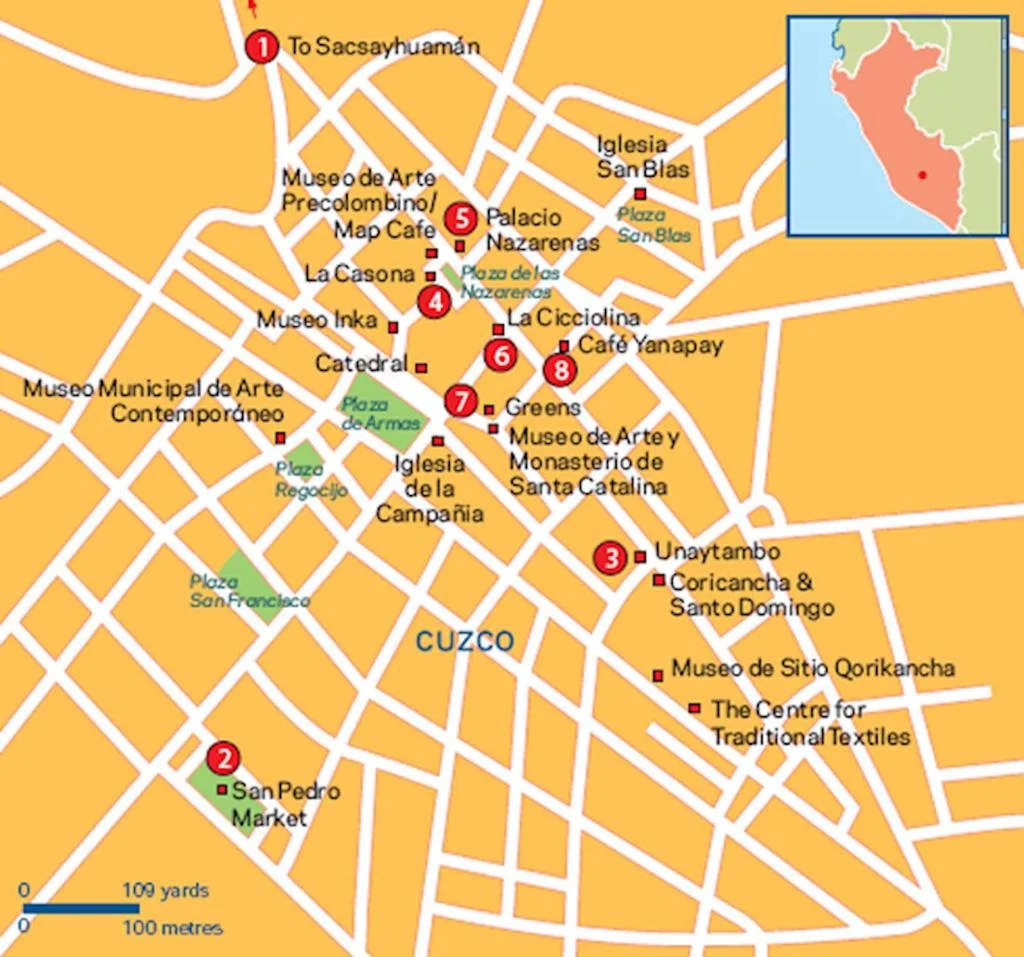
Five-Day Cusco Trip Itinerary
Five days create a more balanced introduction to the region. Spend the first day acclimatizing, then explore Cusco before continuing through the Sacred Valley. An overnight stay in Machu Picchu Pueblo reduces the pressure of combining every transport connection with the archaeological visit. Your final day can accommodate shopping, museums, or a short excursion. Keep that day flexible if you have an onward flight, since mountain travel occasionally experiences delays.
- Day 1: Arrival and gentle exploration.
- Day 2: Cusco city sights and nearby archaeological sites.
- Day 3: Sacred Valley sightseeing and train journey.
- Day 4: Machu Picchu visit and return.
- Day 5: Free time or a short local outing.
Seven-Day Cusco Trip Itinerary
A week allows you to separate major excursions instead of repeatedly combining long drives with early departures. Follow the five-day outline, then add another Sacred Valley day or a nature excursion. Rainbow Mountain may fit later in the week if you have acclimatized well, but it should remain optional rather than compulsory. Travelers who prefer cultural experiences can substitute village visits, weaving demonstrations, or additional time in Pisac and Ollantaytambo.
Building Flexibility into Your Schedule
Protect the reservations that are hardest to change, especially Machu Picchu admission and connected train journeys. Place flexible activities around those commitments. Avoid scheduling your most physically demanding excursion immediately after arrival or immediately before an important departure. A spare afternoon can become valuable recovery time, and a weather-dependent outing should ideally have an alternative. A successful Cusco itinerary is not necessarily the one with the greatest number of stops.
Cusco Trip Packages: Choosing the Right Option
What Cusco Trip Packages Typically Include
Cusco trip packages may combine accommodation, airport transfers, guided sightseeing, entrance tickets, and transportation to Machu Picchu. However, inclusions vary considerably. One package might cover the complete journey, while another includes only a guided visit and selected transfers. Review the actual itinerary rather than relying on its title. Confirm hotel locations, room arrangements, train stations, admission routes, meal coverage, and whether every transfer connects smoothly with the next reservation.
Private, Small-Group, and Independent Travel
Private arrangements offer greater control over departure times, stops, and pacing, making them useful for families or travelers with specific accessibility needs. Small-group trips can reduce costs and simplify logistics, although sightseeing time is usually fixed. Independent travel gives you the most freedom but requires careful coordination of tickets and connections. A mixed approach often works well: arrange complicated journeys in advance while exploring Cusco and straightforward destinations independently.
Questions to Ask Before Booking
Ask for written confirmation of the details that determine your experience. For Machu Picchu, the admission circuit and entry time matter as much as the date. For day trips, clarify pickup arrangements, group size, walking requirements, and the expected return time. Also review cancellation conditions and procedures for transport disruptions. The lowest advertised price may not represent the lowest total cost once omitted tickets and transfers are added.
- Which entrance fees and local tickets are included?
- Are rail tickets, station transfers, and the Machu Picchu access bus covered?
- How much walking and elevation gain should you expect?
- What happens if weather or transport problems change the itinerary?
Lima to Cusco Trip: Flights, Road Travel, and Connections
Planning a Cusco Trip from Lima
A Cusco trip from Lima usually begins with a domestic flight, making it practical to combine Peru’s capital with the Andes. Lima is near sea level, so arrival in Cusco involves a substantial altitude change. Avoid planning strenuous sightseeing straight after landing. If your international flight arrives in Lima shortly before a separate domestic departure, allow generous time for immigration, baggage collection, terminal procedures, and possible delays.
Flying from Lima to Cusco
The flight itself generally takes around an hour and a half, although the complete journey is longer once airport transfers and check-in are included. Compare baggage allowances carefully, especially if carrying trekking equipment. Earlier arrivals provide more time to reach your accommodation and settle in, but mountain weather can affect flights throughout the day. Keep essential medication, a warm layer, and important travel documents in your carry-on luggage.
Traveling Overland from Lima to Cusco
An overland Lima to Cusco trip is a major journey, commonly taking around 20 hours or longer by bus depending on the route and conditions. Winding mountain roads and prolonged sitting can make it tiring. Road travel suits visitors building a broader Peru itinerary with intermediate stops better than those seeking a quick transfer. It does not automatically guarantee comfortable acclimatization, particularly when the route crosses high passes before reaching Cusco.
Cusco Trips to Machu Picchu: Routes, Tickets, and Overnight Options
How to Get from Cusco to Machu Picchu
Most Cusco trips to Machu Picchu combine road transportation, a train journey, and a final bus ride or uphill walk. Many travelers go first to Ollantaytambo, then take the train to Machu Picchu Pueblo, also called Aguas Calientes. Depending on the service and season, other departure arrangements may be available. There is no continuous public road allowing a standard car transfer directly from Cusco to the Machu Picchu entrance.
Machu Picchu Day Trip from Cusco
A Machu Picchu day trip from Cusco is possible when entrance tickets and transportation align, but it usually means a very early departure and late return. The day includes several separate stages, so sightseeing represents only part of the total travel time. This option suits visitors with limited time who are comfortable with a long schedule. It is less appealing for travelers who prefer unhurried connections or need frequent rest breaks.
Cusco to Machu Picchu Day Trip: Connection Planning
For a Cusco to Machu Picchu day trip, work backward from your archaeological-site entry time. Allow time for the train arrival, the journey through town, the access-bus queue, and the ride to the entrance. Your return train must also leave enough time to complete the permitted route and descend. Do not assume an early train guarantees any available entry slot, or that separate bookings will automatically be coordinated.
Why Stay Overnight near Machu Picchu?
Staying in Machu Picchu Pueblo the night before your visit spreads transportation across two days and makes an early entry more practical. It also allows a less hurried Sacred Valley journey beforehand. An overnight stay does not guarantee clear weather or empty viewpoints, but it reduces the number of connections required on the morning of admission. Alternatively, staying in Ollantaytambo shortens the approach compared with beginning the day in Cusco.
Machu Picchu Tickets, Circuits, and Entry Rules
Machu Picchu admission is organized around designated routes or circuits, with ticket availability and access conditions varying by ticket type. Not every admission includes the same viewpoints, buildings, or mountain hikes. Confirm the exact experience before paying, and check current rules on identification, guiding, permitted belongings, and entry timing. Additional hikes require the appropriate reservation and sufficient fitness. Do not assume you can freely switch routes or reenter after leaving.
What to Pack for Machu Picchu
Carry a compact day bag with your required identification, ticket information, water, rain protection, and sun protection. Wear comfortable footwear with reliable grip because stone steps can become slippery. Conditions may feel warmer and more humid than Cusco, so removable layers work better than heavy clothing. Check current bag-size and prohibited-item rules before departure, and leave unnecessary luggage at your accommodation or an appropriate storage facility.
Sacred Valley Trips from Cusco: Pisac, Ollantaytambo, and Beyond
Cusco Day Trip to the Sacred Valley
A Cusco day trip to the Sacred Valley introduces agricultural terraces, mountain landscapes, archaeological sites, and living Andean towns. Common routes include combinations of Pisac, Urubamba, Ollantaytambo, and Chinchero. However, covering too many places can turn the day into a sequence of brief stops. Choose a route based on your interests, and remember that although several valley towns sit below Cusco, some surrounding attractions remain high or involve substantial climbing.
Cusco to Ollantaytambo Day Trip
A Cusco to Ollantaytambo day trip combines impressive Inca stonework with a town whose traditional layout remains visible in narrow streets and water channels. The archaeological complex includes steep terraces and stairways, so allow time to explore at your own pace. Road travel commonly takes around two hours each way, depending on traffic and route. Ollantaytambo also works especially well as an overnight stop before continuing toward Machu Picchu.
Combining Ollantaytambo with a Train Departure
If you plan to visit Ollantaytambo before boarding a train, allow a comfortable margin between sightseeing and station arrival. Carrying large luggage through the archaeological site is impractical, so arrange storage or transport beforehand. Check rail baggage restrictions rather than assuming your main suitcase can accompany you. This combination can save backtracking, but it works best when the day’s road journey, sightseeing stops, and train departure are planned together.
Cusco to Pisac Day Trip
A Cusco to Pisac day trip offers a combination of hillside archaeology and a lively valley town. The archaeological area extends well beyond a single viewpoint, while the town provides opportunities to explore craft stalls and local streets. Driving to an upper access point can reduce the initial climb, but walking routes still require care and energy. Market activity varies, so visit for the broader setting rather than expecting one fixed experience every day.
Maras, Moray, and Chinchero
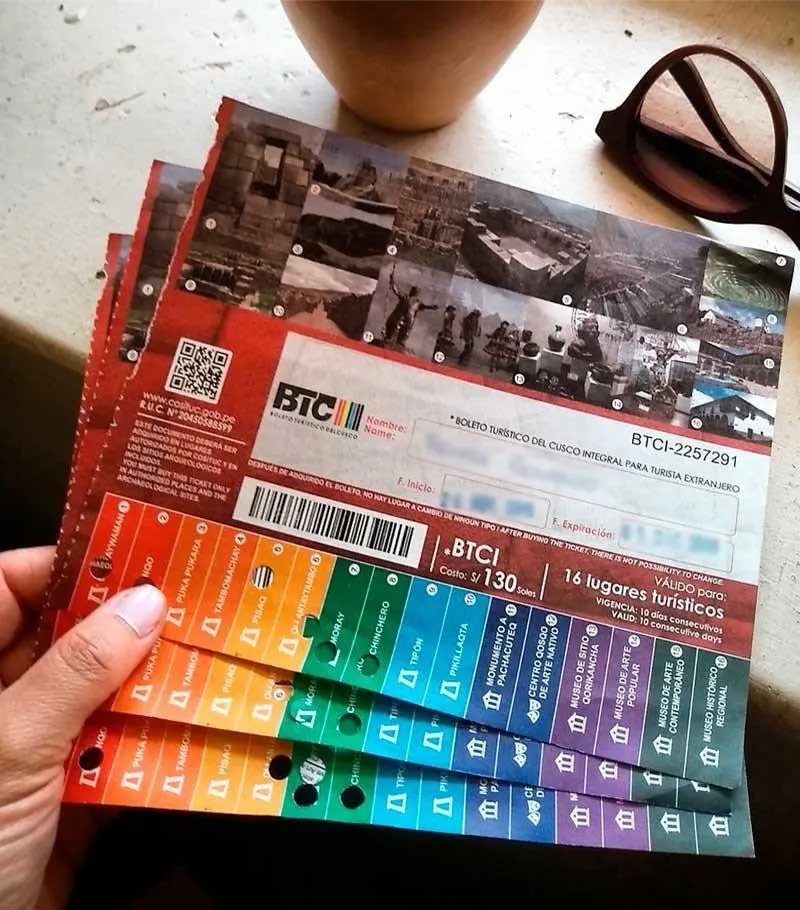
These destinations add variety to Sacred Valley trips from Cusco. Moray is known for its concentric agricultural terraces, Maras for its hillside salt ponds, and Chinchero for archaeological remains and textile traditions. They can be combined, but travel between them and time at each stop should be considered realistically. Some locations require separate admission, and a regional sightseeing ticket does not necessarily include every attraction. Check coverage before purchasing overlapping tickets.
Rainbow Mountain Trips from Cusco: Altitude and Hiking Preparation
Rainbow Mountain Day Trip from Cusco
A Rainbow Mountain day trip from Cusco typically involves a pre-dawn departure, several hours of road travel, and a high-altitude walk. The well-known Vinicunca viewpoint is around 5,000 meters above sea level, substantially higher than Cusco. Even a relatively short walking distance can feel demanding there. Schedule this excursion only after allowing time to acclimatize, and reconsider it if you have symptoms or medical concerns related to altitude.
Hiking Difficulty and Weather Conditions
Rainbow Mountain trips from Cusco vary in walking distance because access routes and operating arrangements can change. Ask about the actual starting altitude, elevation gain, terrain, and available support rather than relying on descriptions such as “easy.” Weather can shift rapidly, bringing strong wind, freezing conditions, rain, or snow. The mountain’s colors also depend on light and ground conditions, so photographs taken in ideal weather should not define your expectations.
What to Bring and When to Turn Back
Wear layered clothing and carry gloves, a warm hat, waterproof protection, sunglasses, sunscreen, water, and snacks. Support options, where available, do not eliminate altitude risk or guarantee access to every section. Tell your guide immediately if you feel unwell, and do not prioritize reaching the viewpoint over your health. If conditions deteriorate or symptoms develop, turning back is the sensible outcome, not a failed excursion.
Cusco Day Trips: Other Excursions Worth Considering
Nearby Archaeological Sites and Cusco City Sights
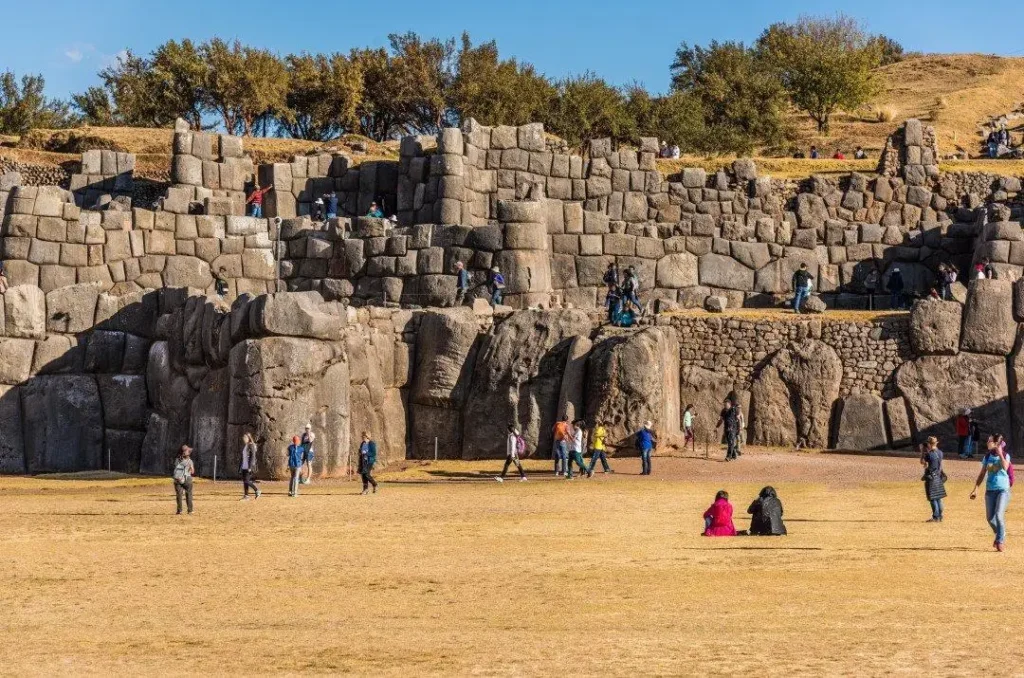
Some of the most rewarding Cusco day trips require relatively little driving. Sacsayhuaman, Qenqo, Puka Pukara, and Tambomachay provide different perspectives on Inca architecture and the surrounding landscape. They can be combined with city attractions, but distances and uphill walking still matter. During your first days, use transportation between sites and avoid treating a nearby location as automatically effortless. Confirm which admissions are covered by your chosen sightseeing ticket.
Humantay Lake Day Trip
Humantay Lake is a striking mountain destination, usually visited on a long day trip involving an early departure and an uphill hike. At roughly 4,200 meters, the lake is lower than the principal Rainbow Mountain viewpoint but remains a serious high-altitude outing. The ascent can be demanding, especially in wet or cold conditions. Choose it for mountain scenery and hiking rather than as a simple, low-effort alternative to acclimatization.
Other Day Trips from Cusco: Tipon and the South Valley
Other day trips from Cusco include the South Valley, where Tipon’s terraces and water engineering can be paired with archaeological remains at Pikillacta and cultural stops in nearby communities. These routes offer an alternative to the busiest Sacred Valley circuits. They are especially appealing to travelers interested in agricultural systems, regional history, and local food. Opening arrangements and ticket requirements differ between attractions, so confirm access before setting out independently.
Cusco to Puno / Lake Titicaca: Extending Your Journey
Traveling from Cusco to Puno
The Cusco to Puno route connects two major Andean travel regions. Direct road journeys often take approximately seven to nine hours, while sightseeing services can take longer because of scheduled stops. Rail travel may also be available on selected schedules. Check your exact departure and arrival points, especially when comparing overnight and daytime options. Puno sits at approximately 3,800 meters, so the journey does not provide a break from altitude.
Planning Time at Lake Titicaca
Allow at least two nights in Puno if you want a more relaxed introduction to Lake Titicaca. Boat excursions vary from shorter visits to longer island itineraries, and some involve considerable time on the water. Community-based overnight stays offer a different pace but may have simpler facilities and colder rooms. Choose experiences with clearly explained cultural expectations, and request permission before photographing residents or entering private spaces.
Final Cusco Trip Planning Checklist
Build your Cusco trip around a realistic sequence: arrival and acclimatization first, major cultural attractions next, and demanding high-altitude excursions only when appropriate. Reserve limited-capacity experiences before filling the remaining days. Check current transport schedules, entrance conditions, and weather information close to departure. Above all, leave enough time to enjoy the region rather than measuring the trip by how many destinations you can reach.
- Confirm Machu Picchu admission and matching transportation.
- Allow generous buffers before onward flights.
- Review package inclusions and cancellation terms.
- Pack for strong sun, cold evenings, and rain.
- Keep strenuous excursions optional until you know how you feel.
Leave a Reply