Cusco combines Inca history, colonial architecture, Andean landscapes, and access to some of Peru’s most celebrated archaeological sites. Once the capital of the Inca Empire, this high-altitude city is now a starting point for Sacred Valley tours, Machu Picchu trips, mountain hikes, and cultural experiences. The best Cusco travel plans leave time for both sightseeing and adjusting to the elevation.
This Cusco travel guide explains when to visit, how many days to stay, where to go, and how to organize transportation, accommodation, and excursions. Whether you are planning a short Peru itinerary or a longer journey through the Andes, these practical details will help you build a realistic trip.
Cusco Travel Guide: What to Know Before You Go
Cusco Altitude and Acclimatization
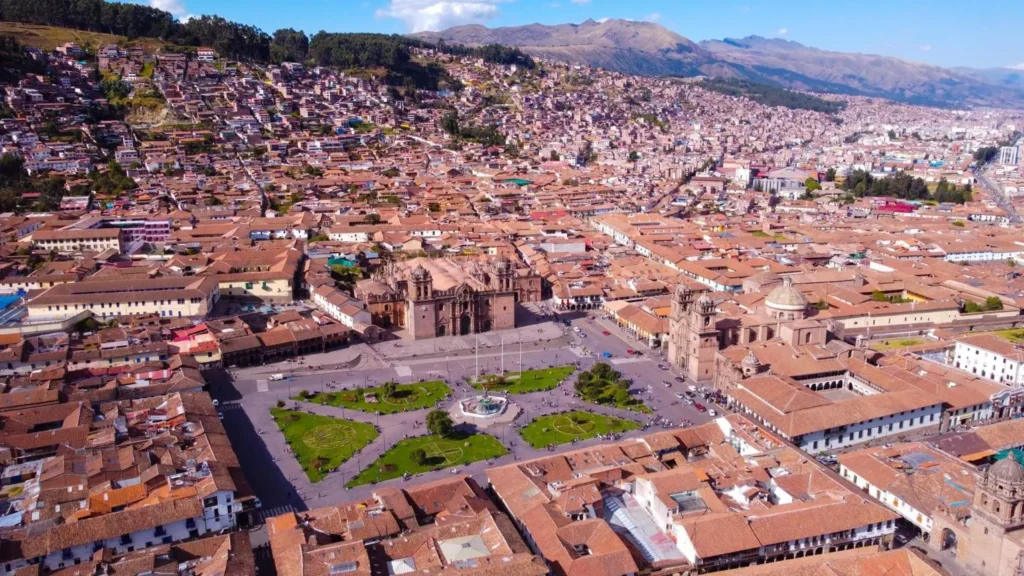
Cusco sits approximately 3,400 meters above sea level. At this elevation, travelers can experience headaches, fatigue, nausea, dizziness, or interrupted sleep. Fitness does not reliably predict who develops altitude sickness. Keep your arrival day gentle, avoid alcohol initially, eat manageable meals, and drink water normally. Do not schedule a demanding hike immediately after landing, especially if you are arriving directly from sea level.
When Altitude Symptoms Need Medical Attention
Do not ascend higher if you develop altitude symptoms. Worsening symptoms require medical assessment and may require descent. Breathlessness at rest, confusion, inability to walk steadily, or a persistent cough with significant weakness can indicate a medical emergency. Seek urgent assistance rather than relying on tea, supplemental oxygen alone, or rest to solve a serious problem. Ask a healthcare professional before traveling whether preventive medication is appropriate for you.
Where to Stay in Cusco
The historic center works well for first-time visitors who want restaurants, museums, and major sights within walking distance. San Blas offers atmospheric streets and hillside views, but its steep lanes can be tiring during acclimatization. Accommodation near the lower edges of the center may provide easier vehicle access. Check heating, hot water, nighttime noise, stairs, and luggage storage rather than choosing solely by photographs or distance from the main square.
Money, Language, and Essential Documents
Peru uses the sol, and carrying smaller notes helps with markets, local transportation, and minor purchases. Cards are useful at many established businesses, but cash remains important outside larger tourist centers. Spanish is widely spoken, while Quechua remains culturally significant throughout the region. Check current entry requirements for your nationality, carry identification required for booked services, and keep secure offline copies of your passport, reservations, insurance, and emergency contacts.
Best Time to Travel to Cusco
Dry Season: May to September
The dry season generally offers clearer skies and more dependable conditions for walking, photography, and trekking near Cusco. Days can feel warm in direct sunlight, while nights are often cold. June through August usually brings strong demand, so popular accommodation, train departures, and Machu Picchu tickets can become harder to secure. June celebrations also create a lively atmosphere, although parades and crowds may affect movement around the historic center.
Rainy Season: November to March
The rainy season brings greener landscapes, frequent showers, and less predictable mountain conditions. Visiting Cusco remains possible, but outdoor activities require flexibility. Heavy rain can affect roads, trails, and rail services, particularly during wetter periods. The classic Inca Trail normally closes during February for maintenance; this does not automatically mean Machu Picchu itself is closed. Verify operating conditions for your specific dates and chosen route.
Shoulder Season: April and October
April and October can offer a useful balance between scenery, visitor numbers, and weather, although neither month guarantees dry days or low prices. April may retain lush vegetation after the rains, while October can bring increasing showers. For many travelers, the best time to visit Cusco depends less on finding a perfect month and more on matching weather tolerance, trekking plans, and booking flexibility.
How Many Days Do You Need in Cusco?
Three Days Versus Five to Seven Days
Three days allows a brief introduction, but combining Cusco sightseeing, acclimatization, the Sacred Valley, and Machu Picchu becomes rushed. Five to seven days is a more comfortable starting point for a first visit. This gives you space for easier activities before strenuous excursions and reduces the pressure created by transport connections. Add extra nights if you want a multiday trek, remote cultural experiences, or meaningful time in smaller valley communities.
- Three days: Focus on Cusco and one major excursion.
- Five days: Include Cusco, the Sacred Valley, and Machu Picchu.
- Seven days: Add a flexible day and an optional acclimatized hike.
- Ten days or more: Allow for trekking and onward regional travel.
Cusco Travel Itinerary
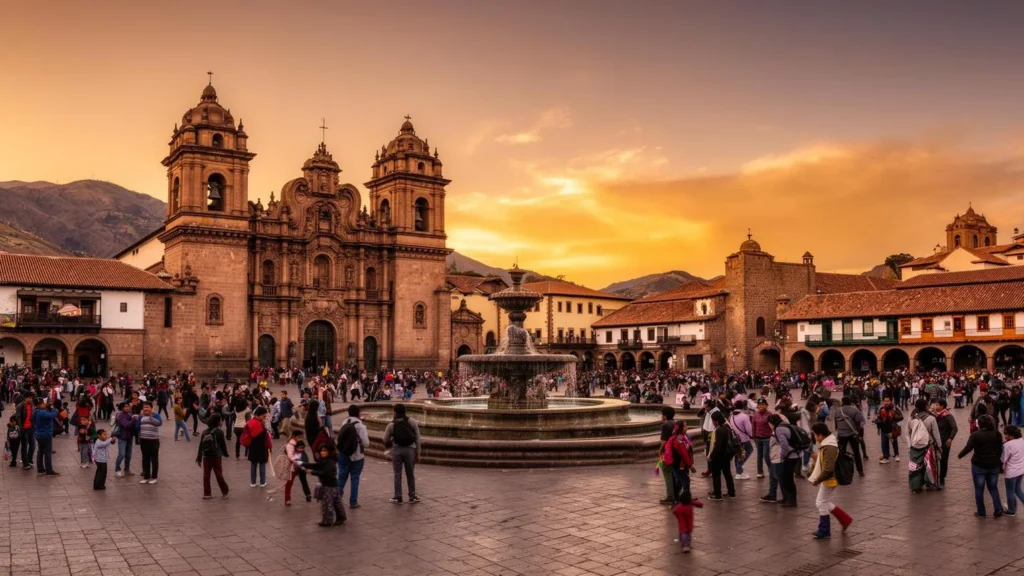
Days 1–2: Arrival and Historic Cusco
Spend your first day settling into your accommodation, eating lightly, and taking a short walk only if you feel comfortable. On day two, explore the main square, nearby streets, museums, and selected historic buildings at an unhurried pace. Keep transport available if hills become tiring. Travelers particularly concerned about elevation sometimes arrange an initial stay in a lower Sacred Valley town instead of sleeping in Cusco immediately.
Day 3: Explore the Sacred Valley
Choose a manageable combination of Sacred Valley attractions rather than trying to visit every major site in one day. Pisac pairs archaeological remains with town exploration, while Ollantaytambo combines impressive Inca stonework with convenient access to Machu Picchu trains. Depending on your route, spend the night in the valley to reduce backtracking. Confirm driving times and entrance arrangements before committing to an overly ambitious schedule.
Day 4: Travel to Machu Picchu Pueblo
Take your reserved train toward Machu Picchu Pueblo, also called Aguas Calientes. An overnight stay usually makes the following day less dependent on a very early departure from Cusco. Use the afternoon to organize your entry documents, confirm access transportation, and review baggage restrictions. Pack a small overnight bag if your train limits luggage, and arrange secure storage for larger suitcases beforehand.
Days 5–6: Machu Picchu and a Flexible Finish
Visit Machu Picchu at your booked time and follow the circuit specified on your ticket. Afterward, return according to your reserved rail and road connections. Keep your final full day flexible for missed sights, shopping, a cooking activity, or rest. If you feel well acclimatized, consider a suitable outdoor excursion, but do not treat a high-altitude hike as an obligatory final achievement.
Best Things to Do in Cusco
Explore the Historic Center and San Blas
Walking through central Cusco reveals the layering of Inca foundations, colonial buildings, and contemporary Andean life. Begin around the main square, then explore quieter streets where carefully fitted stone walls remain visible. San Blas rewards a slower visit with workshops, small plazas, and viewpoints. Ask permission before photographing people, and remember that churches and community spaces may be active places of worship rather than purely tourist attractions.
Visit Qorikancha and Sacsayhuamán
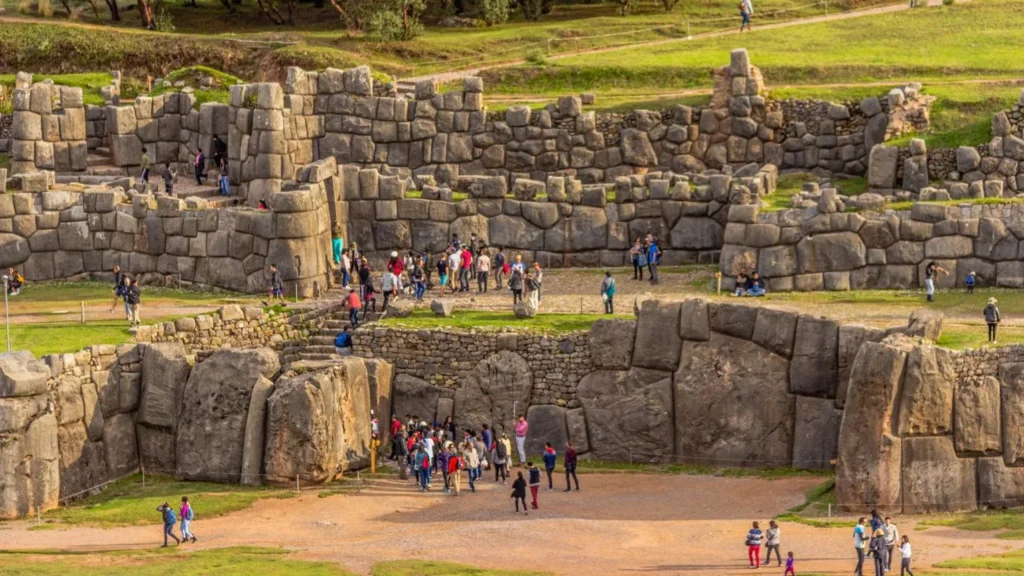
Qorikancha introduces the religious and political importance of Inca Cusco, while the structures built over it illustrate later historical changes. Above the city, Sacsayhuamán is known for monumental stonework and expansive views. A knowledgeable guide can explain construction techniques, ceremonial significance, and competing interpretations without reducing these places to photo stops. Consider transport uphill, especially during your first days at altitude.
Understanding Cusco Tourist Tickets
Some archaeological sites and museums are grouped into combined tourist tickets with different coverage and validity periods. Other attractions charge separately. Before purchasing, compare the included sites against your actual itinerary, since a broader ticket is not automatically better value. Check identification requirements, payment options, and whether your tour includes admission. Avoid assuming that a general Cusco ticket covers Machu Picchu, trains, or every historic building.
Discover Pisac, Ollantaytambo, Moray, and Maras
The Sacred Valley offers more than a transfer route to Machu Picchu. Pisac and Ollantaytambo feature significant Inca remains, Moray is recognized for its circular terraces, and Maras is associated with striking salt ponds. Site access and visitor boundaries vary, so follow local rules and remain on permitted paths. For deeper cultural experiences, choose visits that compensate participating communities fairly and explain what activities actually involve.
Try Peruvian Food and Local Markets
Cusco food experiences can include hearty soups, potatoes, corn, quinoa, trout, and regional specialties. Markets provide insight into everyday ingredients and eating habits, while cooking classes can explain their preparation. Start with lighter meals if altitude affects your appetite. Choose freshly cooked food served hot, use safe drinking water, and communicate allergies clearly. Vegetarian options are available, but confirm whether soups or sauces contain meat stock.
Consider Rainbow Mountain and Humantay Lake
Rainbow Mountain and Humantay Lake are popular day trips, but both involve elevations higher than Cusco and can be physically demanding. Standard Rainbow Mountain routes reach roughly 5,000 meters, while Humantay Lake sits around 4,200 meters. Cold, exposure, early starts, and uneven terrain add difficulty. Schedule these outings only after acclimatization, check conditions, and choose an operator with clear emergency procedures and realistic descriptions of the walking involved.
Cusco Travel Packages and Tours
Choosing the Right Cusco Tour Package
Cusco travel packages commonly combine accommodation, airport transfers, guided city visits, Sacred Valley excursions, and Machu Picchu logistics. They suit travelers who prefer coordinated arrangements, but inclusions vary substantially. Compare the number of hotel nights, actual sightseeing time, group size, transport arrangements, and cancellation terms. A low headline price may exclude admission, meals, train upgrades, or essential transfers, making the final cost higher than expected.
What a Detailed Tour Quote Should Include
A useful written quote identifies the services you are buying rather than relying on broad descriptions such as “complete tour.” For Machu Picchu, request the ticket circuit and entry time before paying. For trekking, confirm the route, permit arrangements, equipment, staff support, and emergency plan. Clear details make it easier to compare offers and identify scheduling problems before they become expensive complications.
- Accommodation category, room type, and included meals.
- Entrance tickets, guiding language, and maximum group size.
- Train service, station transfers, and luggage allowances.
- Cancellation conditions and disruption procedures.
Private Tours, Group Tours, and Independent Travel
Group tours can reduce costs and simplify popular excursions, although fixed schedules may limit flexibility. Private tours offer more control over pace and stops, which can help families or travelers with specific interests. Independent travel works well for visitors comfortable coordinating separate reservations. A mixed approach is often practical: explore Cusco independently, book guided archaeological visits, and use organized support for complex transfers or demanding hikes.
Cusco Travel Agencies
How to Evaluate a Local Travel Agency
Choose Cusco travel agencies that provide verifiable business details, written itineraries, itemized prices, and clear payment terms. Ask who operates each excursion and how urgent problems are handled outside office hours. Recent customer feedback can reveal recurring issues, but evaluate patterns rather than isolated praise. Avoid pressure to pay immediately or promises of guaranteed access to sold-out attractions without a clear explanation of the booking process.
How to Travel from Lima to Cusco
Flights from Lima to Cusco
Flying is the quickest option, with nonstop flights generally taking around 80 to 90 minutes in the air. Allow additional time for airport procedures, luggage collection, and transfers. Mountain weather can disrupt schedules, so avoid placing a nonrefundable excursion immediately after arrival. If connecting from an international flight, leave a sensible buffer, especially when separate bookings mean missed connections may not be protected.
Taking the Bus from Lima to Cusco
Overland travel usually takes approximately 20 to 24 hours or longer, depending on the route, stops, and road conditions. It may appeal to travelers prioritizing budget or a broader Peru itinerary, but winding roads and long periods seated can be tiring. Compare safety practices and service standards rather than price alone. Traveling by bus does not guarantee protection from altitude sickness when the route ultimately reaches Cusco.
Cusco to Machu Picchu Travel
Train and Road Connections
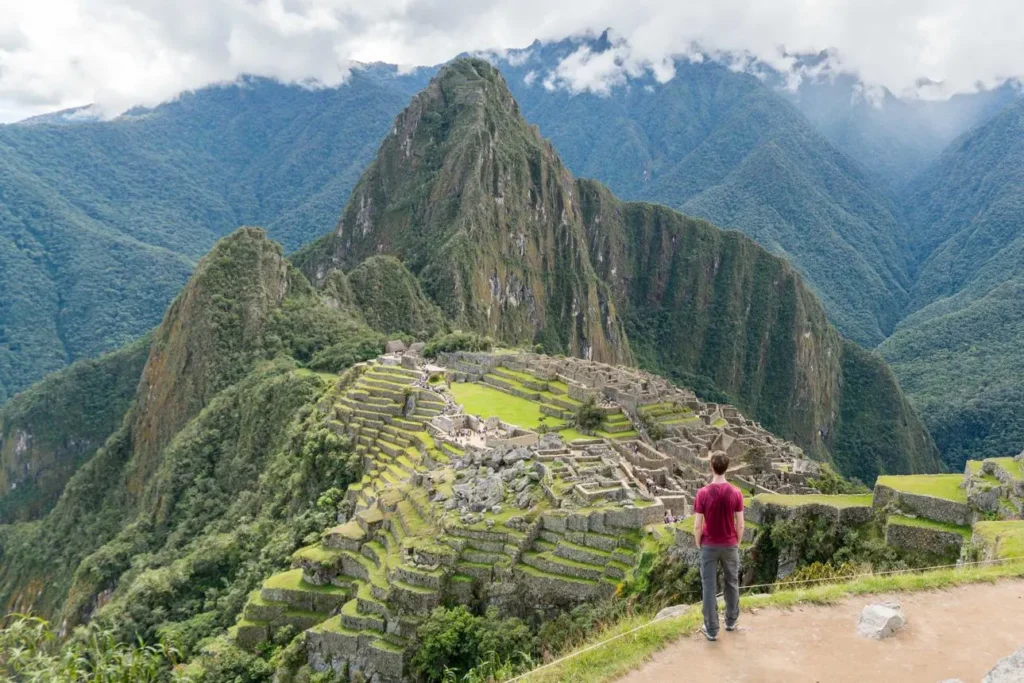
Most visitors travel by road to a suitable railway station, often Ollantaytambo, and continue by train to Machu Picchu Pueblo. Other departure arrangements may be available depending on service schedules and season. From the town, access to the archaeological entrance is by shuttle bus or a steep walk. There is no ordinary direct road journey from Cusco to the ruins themselves.
Machu Picchu Tickets, Circuits, and Timing
Machu Picchu admission is tied to a particular date, entry time, and circuit or route. Tickets are not interchangeable access passes to every viewpoint or section. Mountain hikes and certain routes may require specific tickets and have additional restrictions. Check current official rules before purchasing, since availability and arrangements can change. Reserve entry before finalizing dependent transport, and ensure your reservation details match your identification.
Inca Trail and Alternative Trekking Routes
The classic Inca Trail requires controlled access and advance arrangements through an authorized operator. Other treks offer different landscapes, elevation profiles, and accommodation styles, but they do not necessarily enter Machu Picchu by the same route. Confirm whether your package includes archaeological admission and the final train journey. Choose based on fitness, acclimatization, seasonal conditions, and support standards rather than assuming every trek is a comparable experience.
Getting Around Cusco and the Sacred Valley
Walking, Taxis, and Local Transportation
Central Cusco is compact enough for walking, but cobblestones, stairs, hills, and altitude make distances more demanding than they appear. Use a reputable arranged vehicle when arriving with luggage or traveling late. Confirm the fare before departure when there is no meter. Local buses and shared vans can be inexpensive, although routes, departure points, luggage space, and crowded conditions may be challenging for first-time visitors.
Planning Sacred Valley Transfers
A private transfer can make sense when connecting several valley attractions or traveling with luggage. Shared transportation costs less but may require additional connections and waiting. Mountain driving times depend on weather, traffic, roadworks, and community events. Leave generous margins before train departures, and avoid treating estimated map times as guarantees. Staying overnight near your departure station can make an early journey considerably easier.
Cusco to Puno and Other Destinations
Traveling from Cusco to Puno
Puno is a common next stop for travelers visiting Lake Titicaca. Direct buses often take around seven to nine hours, while sightseeing services take longer because of scheduled stops. Rail journeys may also operate on selected dates. Puno sits at a higher elevation than Cusco, so unresolved altitude symptoms should not be ignored before continuing. Consider rest, medical advice, or a lower-altitude alternative if you feel unwell.
Continuing to Arequipa or the Amazon
Cusco can connect with Arequipa, Lima, or Amazon destinations, but the most practical route depends on current flight schedules and road conditions. Avoid assuming every destination has frequent nonstop flights. Jungle extensions require different packing, health planning, and transfer arrangements from an Andean itinerary. Build buffer time between remote excursions and international departures, particularly when weather-sensitive transport is involved.
Is Cusco Safe to Travel?
Personal Safety and Common Travel Risks
Many travelers visit Cusco without serious problems, but theft, misleading sales pitches, traffic hazards, and transport disruptions remain possible. Keep valuables secure in crowded areas, avoid displaying large amounts of cash, and use trusted transportation after dark. Monitor current travel advisories and local updates for demonstrations or roadblocks. Do not cross protest barriers or assume a booked transfer can operate normally during regional disruption.
Health, Insurance, and Outdoor Safety
Choose travel insurance that covers your planned activities, maximum trekking altitude, and emergency evacuation where relevant. Mountain rescue and medical transport can be complicated. Sun exposure is strong at elevation, and temperatures can fall quickly after sunset or during storms. Carry appropriate layers and sun protection even on clear mornings. Share independent hiking plans with someone reliable, and avoid remote routes without adequate preparation.
Cusco Travel Tips
Budgeting for a Cusco Trip
Your Cusco travel budget should separate everyday expenses from major fixed costs. Accommodation and meals offer considerable flexibility, while Machu Picchu admission, rail travel, guided treks, and private transfers can account for a large share of spending. Compare the full journey cost rather than focusing only on hotel rates. Keep an emergency reserve for delayed departures, replacement transport, or an extra recovery night.
What to Pack for Cusco
Pack for changing conditions rather than a single season. Breathable daytime clothing, an insulating layer, and a waterproof outer layer work well together. Comfortable shoes with reliable grip are useful on stone streets and archaeological paths. Bring essential medication in your hand luggage and check restrictions for trains, trekking services, and archaeological sites before departure.
- Sun hat, sunglasses, and sunscreen.
- Warm layers and rain protection.
- Refillable water bottle and daypack.
- Charging equipment and offline reservation copies.
Frequently Asked Questions About Cusco Travel
Can You Visit Machu Picchu in One Day from Cusco?
Yes, a day trip is possible with compatible transport and admission reservations, but it is long and leaves limited room for delays. Staying overnight in Ollantaytambo or Machu Picchu Pueblo can reduce pressure. Compare total travel time, not just time inside the site, before deciding whether a single-day visit suits your pace.
Is Cusco Suitable for Families and Older Travelers?
Cusco can suit different ages when the itinerary respects individual health, mobility, and energy levels. Altitude and uneven surfaces deserve particular attention. Choose accessible accommodation carefully, arrange transport for steep sections, and prioritize shorter outings. Travelers with relevant medical conditions should seek personalized advice before committing to high-altitude stays or strenuous excursions.
Do You Need to Book Everything in Advance?
No, but scarce or schedule-dependent services deserve priority. Book your preferred Machu Picchu admission, associated trains, and permit-based treks early, especially for busy dates. Accommodation during major celebrations may also need advance planning. Leave some ordinary sightseeing unbooked so you can adapt to weather, acclimatization, and personal interests.
Leave a Reply