Cusco City is one of South America’s most remarkable historic destinations: a former Inca capital where finely fitted stone walls support colonial buildings, steep lanes connect lively neighborhoods, and Andean traditions remain part of everyday life. Located in southeastern Peru, Cusco attracts travelers interested in archaeology, architecture, food, mountain scenery, and journeys to Machu Picchu.
However, the city deserves more than a brief stop between flights and trains. Exploring Cusco’s historic center, visiting archaeological sites, and adjusting comfortably to the altitude can easily fill several rewarding days. This Cusco travel guide explains where the city is, what to see, where to stay, how to arrive, and how to plan a practical itinerary without rushing its most important experiences.
Cusco City Geography, Map, Population and Elevation
Where Is Cusco City?
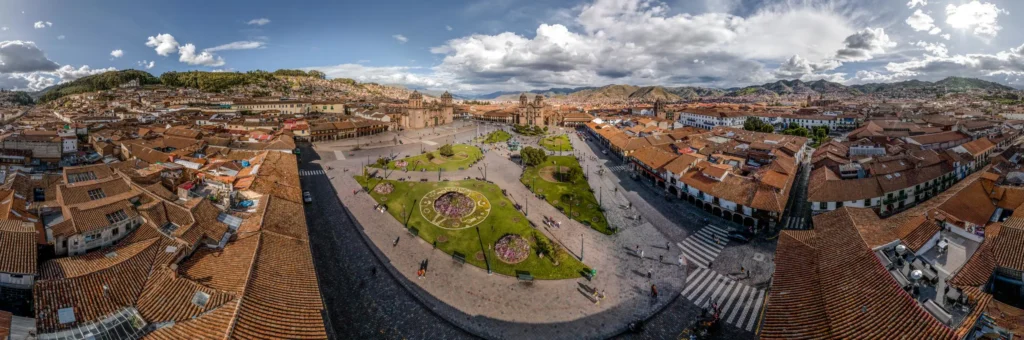
Cusco City lies in the southeastern Peruvian Andes, in a high mountain basin associated with the Huatanay River. It is the capital of both the Cusco region and Cusco province. Although many visitors associate it with the Amazon because of nearby routes toward cloud forest, the city itself is an Andean destination with cool nights, strong sunshine, and pronounced seasonal rainfall.
On a Peru travel itinerary, Cusco usually follows an arrival in Lima or another major regional destination. Flying is the fastest way to reach the city from the coast, while overland journeys involve long distances and winding mountain roads. The Sacred Valley lies beyond the surrounding hills, and Machu Picchu is farther northwest, reached through a combination of ground transportation, rail travel, or authorized trekking routes.
Cusco City Map, Population and Size
A useful Cusco city map should identify the Plaza de Armas, San Blas, San Pedro Market, the airport, and the northern archaeological sites. The Plaza de Armas anchors the historic center, while much of the modern city extends southeast along the valley. Distances can look short on a map but feel longer because of slopes, uneven paving, and reduced oxygen availability at altitude.
Cusco has several hundred thousand residents, with population figures varying according to whether they describe individual districts, the continuous urban area, or the province. Cusco province covers approximately 617 square kilometers, but that is not the size of the walkable tourist center. Most central sightseeing takes place within a much smaller area, where many major attractions are roughly one to two kilometers apart.
Understanding Cusco’s Main Visitor Areas
For practical orientation, think of central Cusco as several connected zones rather than one uniform neighborhood. The main square contains prominent landmarks and visitor services; San Blas rises uphill into quieter, narrower streets; and the San Pedro area combines markets, commerce, and everyday city life. The airport and newer residential districts sit farther southeast, generally requiring a vehicle transfer with luggage.
- Plaza de Armas: The main reference point for historic-center sightseeing.
- San Blas: Hillside streets, workshops, small accommodations, and viewpoints.
- San Pedro: A traditional market and busy surrounding commercial streets.
- Northern hills: Archaeological sites and elevated panoramas above the city.
Cusco City Altitude and Elevation
Cusco’s elevation is approximately 3,400 meters, or 11,150 feet, above sea level. Exact altitude varies across neighborhoods, and uphill archaeological sites sit higher than the central square. This elevation is one of the most important considerations when planning a visit: even physically fit travelers can develop altitude sickness after arriving quickly from sea level.
How to Acclimatize in Cusco
Keep your first day gentle, eat manageable meals, drink fluids normally, and avoid heavy alcohol consumption and strenuous exercise. Some visitors begin with nights in a lower part of the Sacred Valley, although acclimatization needs differ. Headache, nausea, dizziness, and unusual fatigue can signal altitude illness. Worsening symptoms require medical advice; confusion, difficulty walking, or breathlessness at rest require urgent medical attention and descent when feasible. Do not continue ascending with symptoms.
Cusco’s Ancient History and the Inca Empire
The Inca Capital and Its Earlier Foundations
The Cusco valley was inhabited long before the Inca Empire developed. Earlier communities shaped its agricultural landscape and settlement patterns, providing a foundation for the city’s later importance. Inca origin traditions connect Cusco with ancestral founders and sacred journeys, but these narratives should be understood alongside archaeological evidence rather than treated as straightforward historical records.
During the fifteenth century, Cusco became the political and ceremonial heart of Tawantinsuyu, the Inca realm. Imperial expansion, closely associated with the ruler Pachacuti and his successors, connected distant territories through roads, administrative centers, agricultural infrastructure, and systems of labor organization. Cusco’s temples, elite residences, and ceremonial spaces expressed both political power and a sacred understanding of the surrounding landscape.
Spanish Conquest and the Colonial City
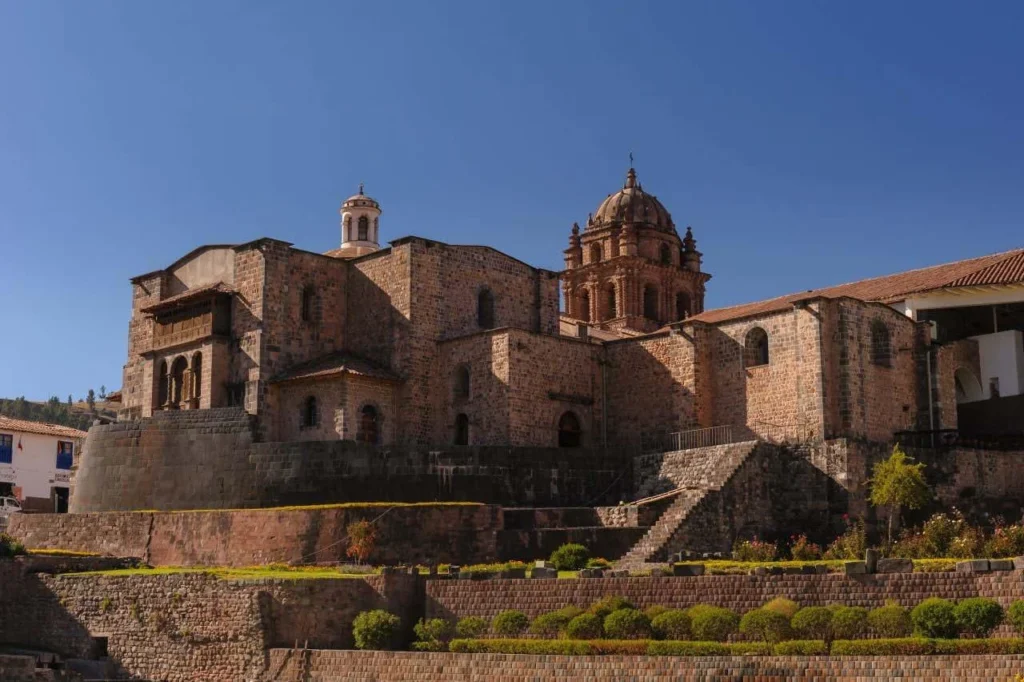
Spanish forces entered Cusco in 1533, beginning a profound transformation of the imperial capital. Colonial churches, monasteries, and residences were built over or alongside Inca structures. The result is the layered architecture visible today: massive stone foundations beneath plastered walls, enclosed courtyards, carved balconies, and religious buildings that reflect the collision and interaction of different traditions.
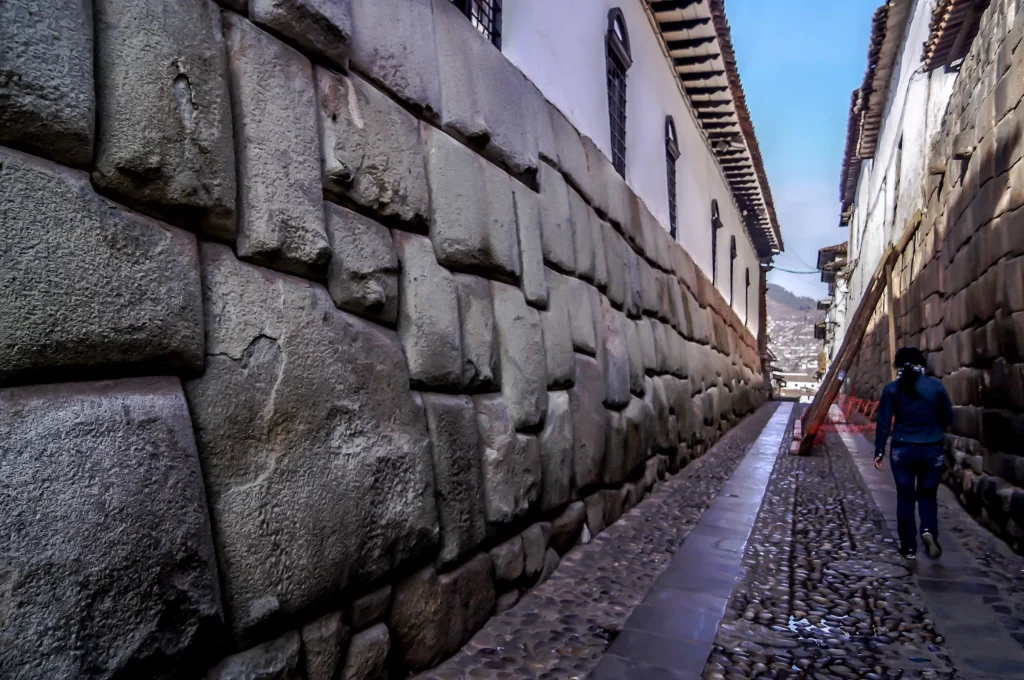
Earthquakes repeatedly affected the city, notably in 1650 and 1950. Surviving Inca masonry demonstrates sophisticated stoneworking and structural practices, although no historic construction is completely immune to damage. As you explore, notice how walls angle inward, how stones meet without visible mortar, and how older foundations influence the shape of later streets and buildings.
Living Andean Culture in Modern Cusco
Cusco is not simply an archaeological setting. Quechua language, weaving traditions, regional foodways, religious observances, and community celebrations remain central to its identity. Festivals often combine Catholic and Andean elements, while markets connect the city with surrounding farming communities. Respectful travel means recognizing these practices as living culture rather than performances created exclusively for visitors.
Cusco City Center and Historic Center
Places to Visit in the City Center
The Cusco historic center is best explored slowly and mostly on foot. Its appeal comes from the relationship between major monuments and smaller details: a carved doorway, an unexpected courtyard, a stone-lined alley, or a plaza where residents gather. Comfortable shoes are essential because paving can be uneven, and some pedestrian routes become slippery during rain.
Plaza de Armas and Surrounding Streets
The Plaza de Armas is the natural starting point for a Cusco walking tour. Arcaded buildings frame the square, with major churches overlooking gardens and gathering spaces. Visit early for quieter views or later to watch the surrounding facades change color in the evening light. The cathedral complex rewards travelers interested in colonial art, religious architecture, and the work of Indigenous and mixed-heritage artists.
Qorikancha and Santo Domingo
Qorikancha was one of the Inca world’s most important religious complexes, strongly associated with solar worship. Its surviving stonework offers an outstanding introduction to imperial masonry. The colonial religious complex built above it makes the site especially valuable for understanding Cusco’s layered history. Allow time to study the fitted blocks, surviving chambers, and contrasting construction styles rather than treating the visit as a quick photograph stop.
The Twelve-Angled Stone and Historic Lanes
The Twelve-Angled Stone is a celebrated example of carefully fitted Inca masonry on Hatun Rumiyoc street. Its fame draws crowds, but the surrounding wall deserves equal attention for the way irregular blocks interlock. Continue through nearby lanes to appreciate the broader streetscape. Avoid touching or leaning on historic stonework, and keep passageways clear for residents, workers, and other pedestrians.
San Blas Neighborhood
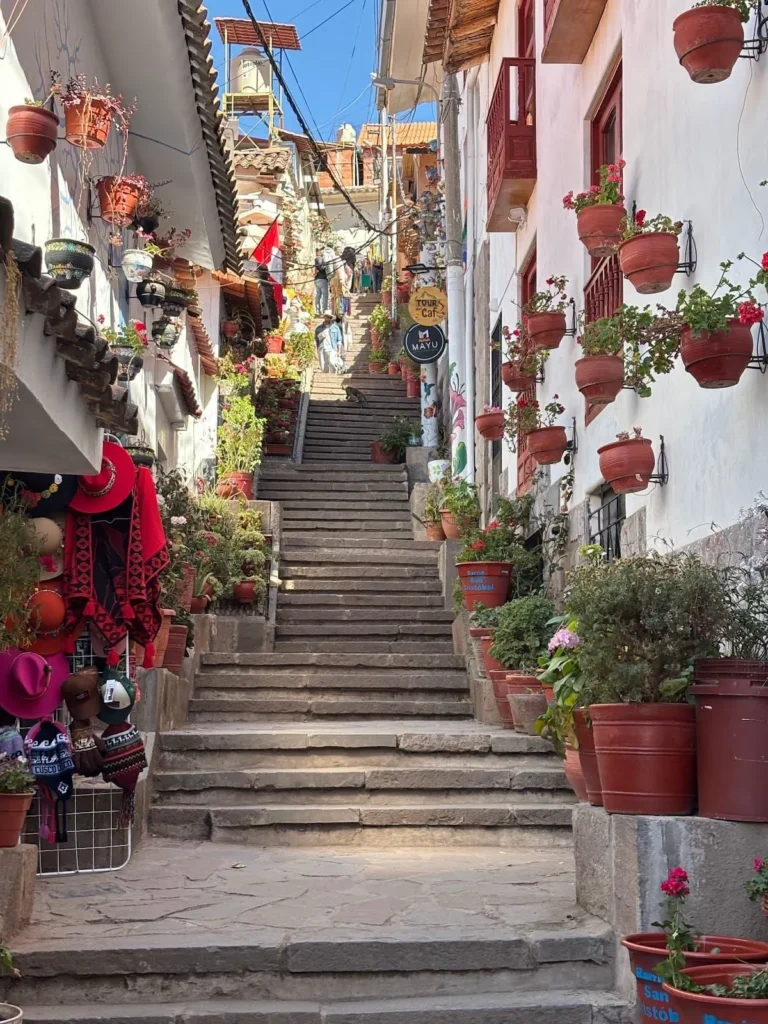
San Blas is known for its hillside setting, workshops, small plazas, and atmospheric streets. It is a rewarding area for browsing locally made crafts and taking in rooftop views. However, its beauty comes with practical challenges: steep climbs, steps, and limited vehicle access on some lanes. Explore after you have begun acclimatizing, and choose footwear with reliable grip.
Things to Do in Cusco City
What to See in Cusco City Beyond the Main Square
The best things to do in Cusco combine historic landmarks with everyday experiences. After visiting the central monuments, make time for a market, an archaeological site, and an unhurried neighborhood walk. This balance gives a fuller picture of the city than moving continuously between ticketed attractions. Travelers with limited time should prioritize a few meaningful stops instead of trying to complete every available circuit.
Sacsayhuaman and the Northern Archaeological Sites
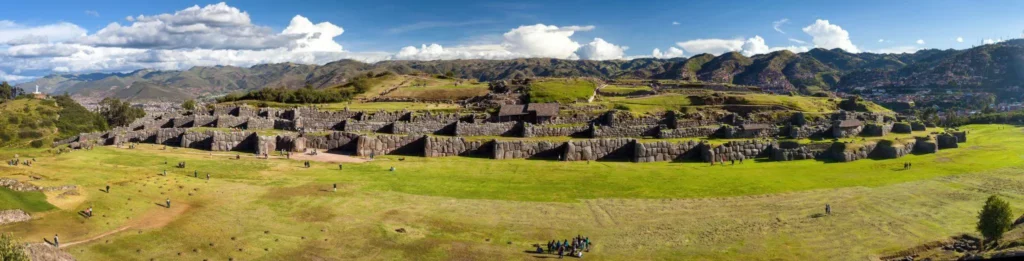
Sacsayhuaman occupies high ground above Cusco and is famous for its enormous, precisely fitted stone walls. The site had major ceremonial and defensive associations, and its surviving structures reveal the scale of Inca engineering. Nearby places such as Q’enqo, Puka Pukara, and Tambomachay add context through carved rock features, strategic locations, and water-related architecture. Their functions are sometimes interpreted differently, so simplified labels do not explain every detail.
San Pedro Market and Cusco Food
San Pedro Market introduces visitors to regional produce, breads, cheeses, herbs, and everyday commerce. Walk through before deciding what to buy, and ask permission before photographing vendors. Beyond the market, Cusco food experiences can include corn-based dishes, potato preparations, quinoa soups, roasted meats, and regional specialties. Choose freshly cooked food served hot, and use safe drinking water, especially while your body is adjusting to travel and altitude.
Museums, Crafts and Cultural Experiences
Cusco’s museums help explain subjects that can be difficult to understand from architecture alone, including pre-Inca societies, imperial administration, colonial painting, and regional traditions. Craft-focused experiences can reveal the work behind weaving, ceramics, and metalwork. When shopping, ask about materials, production methods, and origin rather than assuming that every item displayed in a historic neighborhood was made locally.
Viewpoints and Photography in Cusco
Cusco’s hillside viewpoints reveal the scale of the valley and the relationship between the old center and modern neighborhoods. Early morning often offers softer light, while late afternoon can illuminate the city’s rooftops. Remember that reaching a viewpoint may require a demanding climb. Ask permission before photographing people closely, clarify payment expectations for posed photographs, and avoid blocking narrow streets with equipment.
Cusco City Tours and Walking Tours
Choosing a Cusco City Tour
A typical Cusco city tour combines selected central landmarks with archaeological sites outside the core. Before booking, confirm the actual itinerary, duration, transport arrangements, language, and walking requirements. Also ask whether entrance fees are included: transportation, guiding, and admission are often separate components. A shorter tour with adequate time at each stop may be more informative than a rushed itinerary covering too many places.
Guided and Self-Guided Walking Tours
A guided walking tour is useful for interpreting architecture, history, and local customs, particularly during a first visit. A self-guided route offers greater flexibility for rest breaks and photography. For a manageable introduction, connect the Plaza de Armas, nearby Inca walls, Qorikancha, and a market or neighborhood square. Save steep San Blas lanes or the walk toward Sacsayhuaman for a day when you feel comfortable at altitude.
Tickets, Opening Hours and Accessibility
Some archaeological attractions participate in shared tourist-ticket arrangements, while prominent churches, museums, and other sites may require separate admission. Check current validity periods and site coverage before purchasing. Opening hours and access conditions can change during festivals, maintenance, or religious services. Travelers with limited mobility should ask about steps, uneven surfaces, accessible entrances, and the distance between vehicle drop-off points and actual visitor entrances.
Cusco and Machu Picchu: Planning the Connection
Is Machu Picchu in Cusco City?
Machu Picchu is in the Cusco region, but it is not within Cusco City. This distinction matters when planning travel time. Most visitors reach the archaeological sanctuary by traveling toward a rail departure point, continuing to Machu Picchu Pueblo, and then taking the uphill road transfer or walking to the entrance. Other travelers arrive through authorized trekking itineraries that require separate planning and appropriate preparation.
How to Organize a Machu Picchu Visit from Cusco
Arrange your Machu Picchu admission around a realistic transportation schedule, not the other way around. Tickets can specify an entry time and a particular route or circuit, and not every option includes the same viewpoints or additional mountain walks. Availability, identification requirements, guiding rules, and transport schedules should be checked before committing to accommodation or onward travel.
A same-day journey from Cusco is possible on some itineraries, but it can be long and tiring. Staying in the Sacred Valley or Machu Picchu Pueblo may make the schedule more comfortable. Machu Picchu’s main archaeological area is lower than Cusco, at approximately 2,430 meters, but stairs, humidity, and sustained walking still make the visit physically demanding.
How Many Days Do You Need in Cusco?
Allow around three days for Cusco itself if you want time to acclimatize, explore the historic center, and visit nearby archaeological sites. A broader Cusco and Machu Picchu itinerary often works better with five to seven days, depending on transportation and Sacred Valley stops. Add more time for trekking, slower travel, or substantial altitude adjustment rather than compressing demanding activities immediately after arrival.
Cusco Airport to the City Center
Airport Location and Transfer Time
Cusco’s airport is southeast of the historic center, approximately five to six kilometers by road from the Plaza de Armas area, depending on the route and destination. A transfer commonly takes around 20 to 40 minutes, but congestion, roadworks, and celebrations can extend the journey. Check your accommodation’s precise address because some historic-center streets restrict vehicles or require a final walk.
Airport Transportation Options
A prearranged accommodation transfer or an authorized airport taxi is usually the simplest choice for first-time visitors carrying luggage. Confirm the full fare, destination, and payment method before departure. Public transportation may cost less, but unfamiliar routes, crowded vehicles, and luggage can make it inconvenient after a flight. Keep your documents and valuables with you rather than placing them in an unattended bag.
Planning Your Arrival Day
Leave your arrival schedule flexible. Flight delays, traffic, and altitude symptoms can make immediate sightseeing commitments stressful. After checking in, consider a short, level walk, a light meal, and an early night. If you are continuing directly to the Sacred Valley, arrange transportation in advance and account for the longer road journey rather than assuming it is a quick extension of an airport transfer.
Where to Stay in Cusco City
Historic Center: Best for First-Time Visitors
Staying near the historic center makes it easier to reach major sights, restaurants, and walking-tour meeting points without frequent vehicle trips. This is especially helpful on a short visit. However, the busiest streets can be noisy during evenings and celebrations. Look beyond proximity to the main square and consider room location, heating, hot water, stair access, and whether vehicles can reach the entrance.
San Blas: Best for Atmosphere and Views
San Blas suits travelers who appreciate characterful streets, smaller accommodations, and a neighborhood setting above the center. The trade-off is the climb: a room with a beautiful panorama may involve steep lanes or multiple staircases. Before booking, ask about luggage assistance and road access. Travelers concerned about altitude, mobility, or repeated uphill walks may prefer the lower edges of the neighborhood.
Quieter and Budget-Friendly Areas
Streets farther from the main square can offer better value and less nighttime activity, although conditions vary from block to block. Areas around San Pedro and the outer historic center provide access to shops and local commerce, while more residential districts may require regular taxi journeys. Compare the total cost of transportation and convenience rather than selecting accommodation solely by its nightly rate.
Is Cusco City Safe?
Personal Safety and Common Travel Risks
Cusco is a well-established tourism destination, and many travelers visit without serious problems. Nevertheless, petty theft, opportunistic scams, and traffic hazards require normal urban precautions. Keep phones and wallets secure in crowded places, avoid displaying expensive belongings, and use dependable transportation after dark when streets are quiet or unfamiliar. Do not assume that a central location eliminates every risk.
Health, Weather and Walking Safety
Altitude is often the most immediate health concern, but strong ultraviolet exposure, dehydration, stomach illness, and falls also deserve attention. Use sun protection even when temperatures feel cool, carry suitable layers, and wear shoes that handle wet stone. Travel insurance should match your activities, especially if you plan high-altitude trekking. Travelers with relevant medical conditions should discuss their itinerary with a clinician before departure.
Practical Safety Habits
Simple preparation reduces many avoidable difficulties. Save your accommodation address offline, keep a separate copy of important documents, and carry only the cash needed for the day. At crossings, watch traffic carefully rather than expecting vehicles to yield. Ask locally about demonstrations, road disruptions, or neighborhood concerns, and leave additional time before flights and tightly scheduled onward connections.
- Use secure bags in markets, stations, and crowded squares.
- Agree on transport prices before beginning the journey.
- Avoid isolated shortcuts, particularly late at night.
- Seek help promptly if altitude symptoms worsen.
Best Time to Visit Cusco and Practical Trip Planning
Dry Season and Rainy Season
Cusco’s drier season generally runs from May through September, bringing clearer conditions and cold nights. The wetter period usually extends from November through March, with April and October often acting as transitions. Rain can occur outside these patterns, and mountain weather changes quickly. The best time to visit Cusco depends on whether you prioritize clearer hiking weather, greener landscapes, fewer visitors, or particular cultural celebrations.
Festivals, Packing and Daily Budgets
June is especially busy because of major celebrations, including Inti Raymi, and accommodation demand can rise considerably. Pack layered clothing, a waterproof outer layer, sun protection, and comfortable walking shoes in any season. For budgeting, separate lodging and meals from admissions, guided activities, transfers, and Machu Picchu arrangements. Carry some small-denomination local currency because cards are not accepted everywhere and change can be limited.
Cusco or Cuzco: Which Spelling Is Correct?
Understanding Cusco, Cuzco and Qosqo
Both Cusco and Cuzco are established spellings used in different linguistic and historical contexts. Cusco is the form commonly used in contemporary Peruvian official and tourism contexts, while Cuzco remains familiar in international writing and older publications. Qosqo is a Quechua form associated with the city’s Indigenous identity. These names refer to the same destination, not separate cities or neighborhoods.
Whichever spelling you encounter, the most rewarding visit combines preparation with patience. Give yourself time to adjust to the elevation, explore beyond the busiest landmarks, and appreciate the connection between ancient stonework and modern Andean life. Cusco is both a gateway to celebrated archaeological landscapes and a compelling city worth discovering on its own terms.
Leave a Reply