Cusco tourism brings together Inca heritage, Andean landscapes, traditional markets, and an extraordinary base for exploring southern Peru. Once the capital of the Inca Empire, Cusco rewards travelers who look beyond its role as a gateway to Machu Picchu. Its stone streets, archaeological sites, regional cuisine, and living traditions make the city a destination worth several days of exploration.
This Cusco travel guide covers the best things to do in Cusco, practical one-, two-, and three-day itineraries, nightlife, tourism packages, and the Cusco Tourist Ticket. Whether you are planning a short city break or a longer journey through the Sacred Valley, the key is to balance sightseeing with time to adjust to the altitude.
Cusco Tourism: What Makes Cusco a Unique Destination?
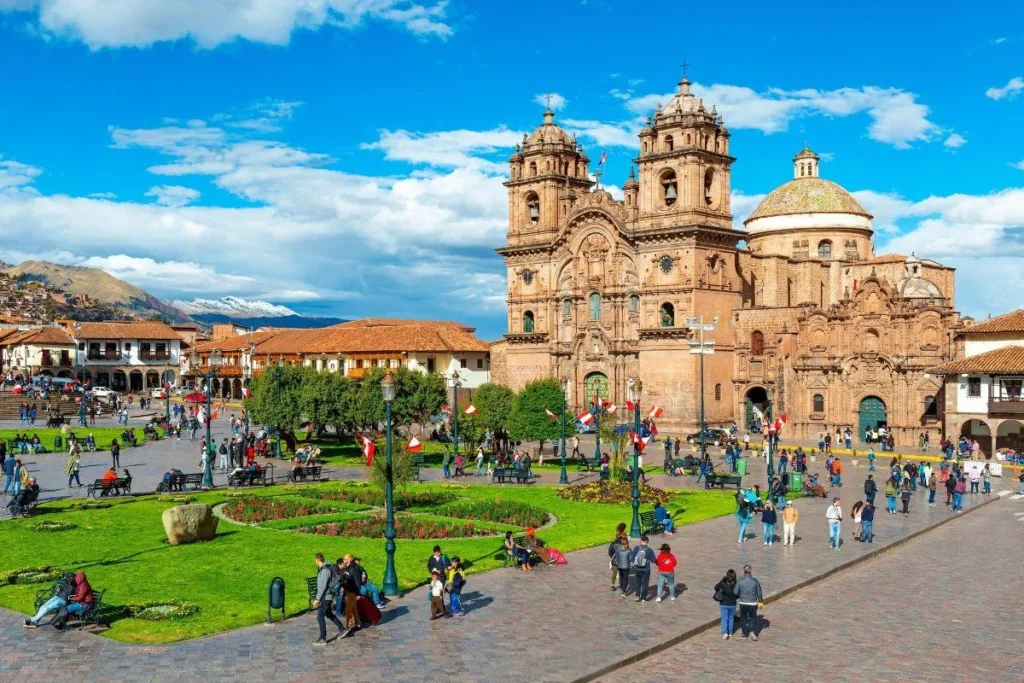
Cusco’s appeal comes from the close relationship between its past and present. Inca walls support later buildings, Quechua remains part of daily life, and agricultural traditions connect urban markets with surrounding communities. Rather than visiting isolated monuments, travelers encounter a city where architecture, food, language, and landscape tell overlapping stories.
Inca Heritage and Historic Architecture
The historic center reveals how Cusco developed across different periods. Carefully fitted Inca stonework appears beside colonial courtyards, churches, and streets that follow older urban patterns. The famous twelve-angled stone is an accessible example, but equally impressive masonry appears throughout the central area. Exploring slowly helps visitors notice how foundations, doorways, and street alignments preserve elements of the former imperial capital beneath the modern city.
Living Andean Culture
Cusco is not simply an archaeological destination. Its cultural identity continues through weaving, music, seasonal celebrations, and regional food traditions. Markets offer an introduction to Andean ingredients, while workshops can explain the meaning behind textile designs and production techniques. Respectful participation matters: ask before photographing people, avoid treating ceremonies as performances arranged for visitors, and recognize that customs differ between communities.
When Is the Best Time to Visit Cusco?
The best time to visit Cusco depends on your priorities. The generally drier period, roughly May through September, favors outdoor sightseeing but brings cold nights and heavier demand. Rain is more frequent from approximately November through March, when landscapes become greener and hiking conditions can be less predictable. April and October often offer a useful compromise, although mountain weather remains variable in every season.
Things to Do in Cusco
The best things to do in Cusco combine city exploration with carefully chosen excursions. Start with nearby attractions rather than scheduling the highest or most demanding outing immediately. A balanced visit might include a historic walking route, a museum or archaeological site, a market meal, and one day exploring the surrounding valley.
Visit Sacsayhuamán and Nearby Archaeological Sites
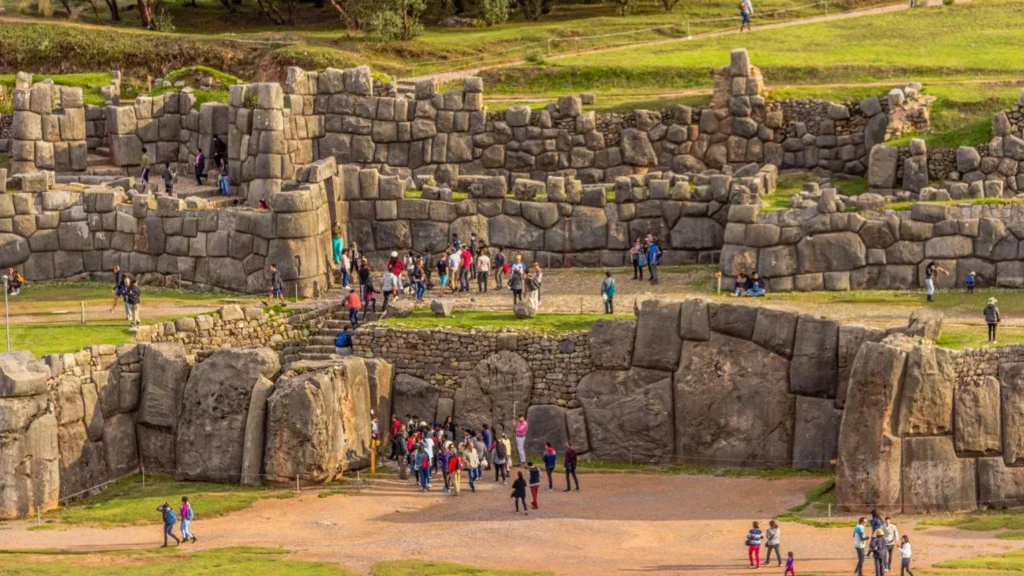
Sacsayhuamán rises above Cusco and is known for its immense, precisely fitted stone walls. Its open setting also provides memorable views over the city. Nearby sites, including Q’enqo, Puka Pukara, and Tambomachay, add context through ceremonial spaces, strategic locations, and water-related features. They are often combined into a half-day circuit, although walking every connection can be tiring at altitude. Confirm transport arrangements and allow time to explore rather than rushing between entrances.
Explore the Sacred Valley
A Sacred Valley day trip introduces a lower-elevation landscape of agricultural terraces, villages, and major Inca sites. Pisac and Ollantaytambo are particularly rewarding for travelers interested in archaeology, while Chinchero offers opportunities to learn about textiles and regional history. Distances make it difficult to appreciate everything in one day. Choose a focused route, or stay overnight in the valley if you prefer less driving and more time at individual sites.
Discover Traditional Cusco Food
Food is a central part of the Cusco travel experience. Look for dishes featuring potatoes, corn, quinoa, soups, and other highland ingredients. Regional specialties include roasted or fried preparations, hearty stews, and festive dishes that vary by setting. Markets can be excellent places to learn about produce, while cooking classes provide a more structured introduction. Choose freshly prepared food, drink safe water, and communicate dietary restrictions clearly.
Things to Do in Cusco City Center
Many of the most enjoyable places to visit in Cusco are concentrated within a walkable historic district. However, short distances can include steep climbs, uneven paving, and congested streets. Build a route around a few main stops, wear supportive footwear, and leave room for unplanned courtyard visits or quiet breaks.
Explore the Plaza de Armas
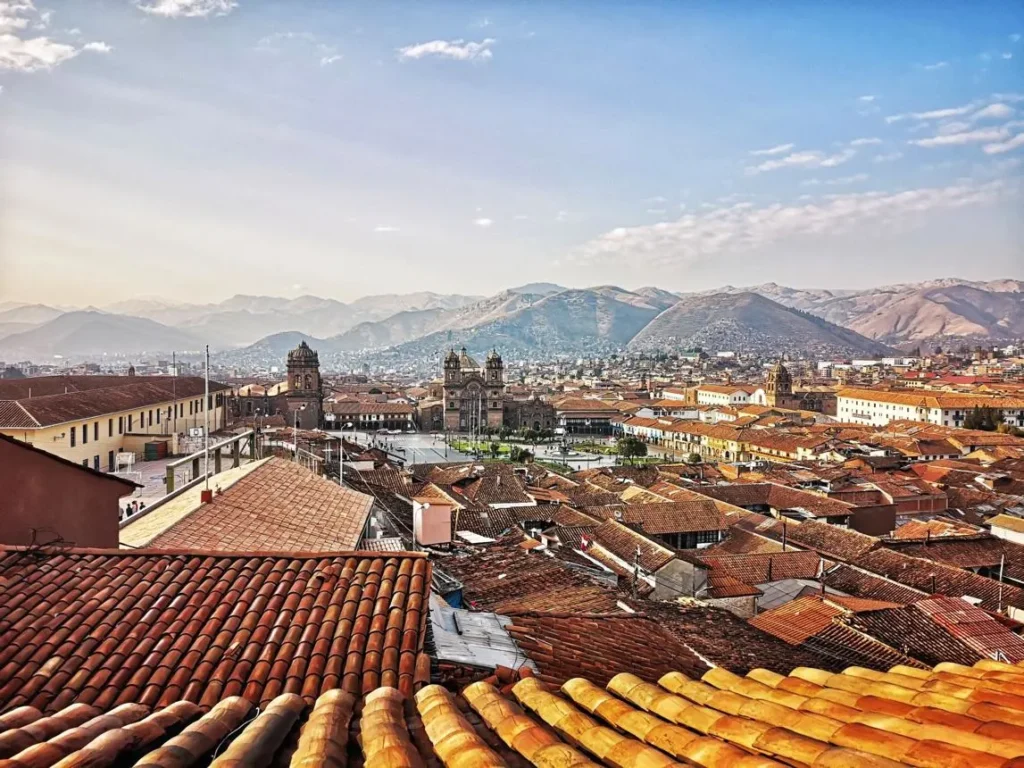
The Plaza de Armas is a useful starting point for understanding the city’s layout. Arcaded buildings, major religious landmarks, and surrounding hills frame the square, while adjoining streets lead toward museums, shops, and restaurants. Visit in daylight to appreciate the architecture and return in the evening for a different atmosphere. Interior visits to religious buildings may require separate admission and should be planned around services and access rules.
Visit Qorikancha
Qorikancha, also spelled Coricancha, was one of the Inca Empire’s most important sacred complexes. The surviving stonework demonstrates the refinement associated with imperial construction, while later buildings illustrate the transformation of the site after the Spanish conquest. A visit is particularly valuable for understanding the relationship between architecture, religion, and political authority. Check which spaces your admission covers, because the main complex and the nearby site museum have distinct ticket arrangements.
Walk Through San Blas
San Blas is known for steep lanes, small plazas, workshops, and hillside views. It is an appealing neighborhood for browsing handmade goods and exploring away from the busiest central square. The climb can feel surprisingly demanding during your first day, so take it slowly or arrive by vehicle and walk downhill. Ask artisans about materials and techniques when shopping, and distinguish locally produced work from mass-produced souvenirs.
Browse San Pedro Market
San Pedro Market offers a lively introduction to everyday commerce, with stalls selling fruit, bread, vegetables, textiles, and prepared food. Go with an exploratory mindset rather than expecting a curated attraction. A morning visit usually works well for observing daily activity and comparing ingredients. Keep valuables secure in crowded aisles, ask permission before close-up photographs, and choose food stalls with good turnover and visibly careful handling practices.
Unique Things to Do in Cusco
Unique things to do in Cusco often involve spending more time with a subject rather than traveling farther. A workshop, specialized guided walk, or community-led activity can deepen your understanding of the region. Choose experiences that clearly explain what visitors will do, how hosts are compensated, and whether photography is appropriate.
Join a Textile or Cooking Workshop
A textile workshop can introduce spinning, natural dyes, weaving methods, and the cultural significance of particular patterns. Cooking experiences offer another route into regional knowledge through ingredient selection and preparation. Look for activities that include meaningful explanation rather than only a sales presentation. Hands-on participation is especially worthwhile when group sizes are manageable and the session allows time for questions.
Discover Andean Astronomy and Photography
An astronomy-focused experience can reveal how celestial observations relate to agriculture and Andean understandings of the landscape. Clear weather improves outdoor viewing, although cloud cover is always possible. Alternatively, plan a photography walk around early-morning light, stone textures, and quieter side streets. Avoid blocking narrow passages or using people as photographic subjects without permission, and check restrictions before bringing specialized equipment into heritage sites.
What to Do in Cusco in One Day
If you have only one day in Cusco, prioritize the historic center instead of trying to combine the city with distant excursions. A compact route provides a meaningful introduction without spending most of your visit in transit. Your arrival time and response to altitude should determine how much you attempt.
Morning: Main Square and Inca Stonework
Begin at the Plaza de Armas and follow nearby streets to see surviving Inca walls, including the twelve-angled stone. Continue toward Qorikancha if you feel comfortable walking. Keep the pace relaxed, especially after a flight from low elevation. One substantial interior visit is usually more rewarding than racing through several landmarks, and a midmorning break helps keep the schedule realistic.
Afternoon and Evening: Market, Neighborhoods, and Dinner
After lunch, choose between San Pedro Market and San Blas according to your interests and energy. The market emphasizes food and daily life, while San Blas offers workshops and hillside scenery. Finish with an early dinner featuring regional dishes and a short evening walk near your accommodation. If you are already acclimatized, a vehicle-assisted visit to Sacsayhuamán can replace one afternoon stop.
Cusco Tourism Itinerary: One, Two, or Three Days
The right Cusco tourism itinerary depends on whether these days are your entire regional visit or only the city portion of a longer trip. Machu Picchu generally needs separate logistical planning and should not be treated as an easy extra. The following schedules prioritize manageable sightseeing and assume that major transport arrangements are handled separately.
1-Day Itinerary: Historic Cusco Highlights
Use your single day to understand the city’s layout, see important architecture, and enjoy one neighborhood beyond the main square. Keep optional stops genuinely optional. Travelers arriving that morning should be particularly conservative, while those already acclimatized can add a museum or a short guided visit without turning the day into a race.
- Morning: Plaza de Armas, nearby Inca walls, and Qorikancha.
- Lunch: A relaxed meal featuring regional ingredients.
- Afternoon: San Pedro Market or San Blas.
- Evening: Dinner and a brief central walk.
2-Day Itinerary: City and Nearby Inca Sites
Spend the first day following the historic-center route. On the second day, visit Sacsayhuamán and selected nearby archaeological sites using organized or prearranged transport. This combination provides a stronger understanding of Cusco’s urban and ceremonial landscapes without requiring a long-distance excursion. Reserve the later afternoon for a museum, workshop, or rest rather than automatically filling every available hour.
Alternative Second Day: Sacred Valley
If valley scenery and larger archaeological complexes are your priority, replace the nearby-site circuit with a focused Sacred Valley excursion. Choose Pisac or the Chinchero–Ollantaytambo direction rather than insisting on every major stop. This is a longer day, so confirm departure and return times. An overnight stay in the valley can be more comfortable if your onward journey continues toward Machu Picchu.
3-Day Itinerary: A Balanced Regional Introduction
With three days, dedicate day one to the historic center, day two to nearby archaeological sites and a cultural activity, and day three to the Sacred Valley. This sequence gradually increases activity while leaving some flexibility for weather or altitude symptoms. If you prefer slower travel, reduce the number of ruins and spend more time in markets, neighborhoods, or a single valley town.
When to Add More Days
Add time if your plans include Machu Picchu, strenuous high-altitude hikes, or overnight travel outside Cusco. Three days can provide a good introduction, but it does not comfortably cover every major regional attraction. Extra nights also create a useful buffer against transport changes and poor weather. Prioritize the experiences most important to you instead of judging the trip by the number of stops completed.
Cusco Tourism Beyond Machu Picchu
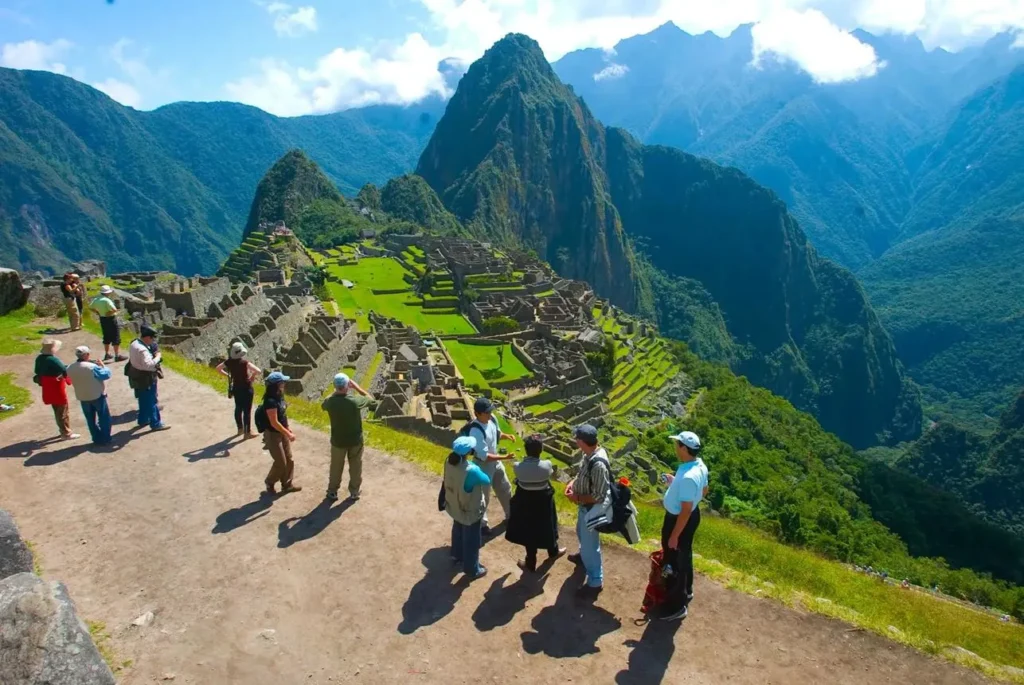
Cusco tourism beyond Machu Picchu includes archaeological landscapes, mountain lakes, agricultural heritage, and living communities. These alternatives are worthwhile in their own right rather than simply substitutes for the famous citadel. Consider the total travel time, maximum elevation, walking requirements, and environmental impact before choosing an excursion.
Moray and the Maras Salt Pans
Moray’s circular terraces offer a distinctive view of Inca landscape engineering and are often interpreted in relation to agricultural experimentation, although their precise functions remain debated. The nearby Maras salt pans demonstrate a different form of landscape management through salt production. They are frequently combined on one route, but admission arrangements differ. Stay within designated visitor areas and respect working spaces and locally established access restrictions.
Rainbow Mountain and Humantay Lake
Rainbow Mountain and Humantay Lake are popular Cusco day trips, but both involve substantial elevation and long travel days. Rainbow Mountain excursions commonly reach approximately 5,000 meters, while Humantay Lake sits around 4,200 meters. Neither is an appropriate automatic choice immediately after arrival. Acclimatize first, evaluate your health and fitness, check weather conditions, and understand that snow, rain, or cloud can change the expected views.
South Valley and Community-Based Travel
The South Valley provides another perspective through places such as Tipón and Pikillacta, where visitors can explore different engineering traditions and historical periods. Community-based visits may focus on farming, food, or crafts, depending on local priorities. Choose arrangements led or clearly supported by host communities. Confirm the activities and expectations beforehand, and avoid experiences that promise unrestricted access to private homes or sacred practices.
Cusco Nightlife
Cusco nightlife ranges from relaxed dinners and live music to late-night dancing. Much of the activity is concentrated around the historic center, making it possible to enjoy an evening without planning a complicated route. Nevertheless, altitude, fatigue, and early excursion departures often make a quieter night the better choice.
Evening Entertainment and Safety
For a low-key evening, choose a music performance, cultural presentation, or restaurant with a comfortable atmosphere. If you go dancing, keep your drink in sight, avoid carrying unnecessary valuables, and arrange dependable transport back to your accommodation. Alcohol can worsen dehydration and interfere with sleep, making altitude adjustment harder. Check venue accessibility and closing arrangements rather than assuming every central street will remain busy late at night.
Cusco Tourism Packages
Cusco tourism packages can simplify transport, guiding, and entrance reservations, especially when several destinations are involved. Their value depends less on the number of advertised stops than on the realism of the schedule and clarity of the inclusions. Independent travel offers greater flexibility, while a well-designed package can reduce logistical uncertainty.
Choosing the Right Package
City packages generally focus on central landmarks and nearby ruins, while Sacred Valley packages cover longer distances. Multi-day combinations may add Machu Picchu, accommodation, or mountain excursions. Compare group size, guiding language, walking demands, pickup location, and actual time at each attraction. Avoid itineraries that place demanding high-altitude activities immediately after arrival or promise extensive coverage with little allowance for traffic and queues.
What to Check Before Booking
Request a written breakdown of admissions, meals, transport, accommodation, and optional charges. A low advertised price may exclude the Cusco Tourist Ticket or other significant entry fees. For Machu Picchu combinations, confirm the specific admission circuit, visit time, transport reservations, and identity requirements. Cancellation terms and responses to weather disruption should be clear before payment.
- Check whether entrance tickets are included or paid separately.
- Confirm maximum group size and guide availability.
- Ask about transfers, luggage limits, and meal arrangements.
- Review refund, rescheduling, and emergency procedures.
Cusco Tourist Ticket and Tourist Pass
The Cusco Tourist Ticket, commonly called the Boleto Turístico del Cusco, bundles admission to designated attractions. Travelers sometimes search for a “Cusco tourist pass,” but this should not be interpreted as an unlimited city pass covering all landmarks and transport. Choose a ticket according to the sites you will actually visit within its validity period.
What Does the Ticket Include?
The comprehensive ticket has traditionally covered 16 designated archaeological sites, museums, and cultural attractions across Cusco and surrounding areas. Major archaeological inclusions typically include Sacsayhuamán, Q’enqo, Puka Pukara, Tambomachay, Pisac, Ollantaytambo, Chinchero, Moray, Tipón, and Pikillacta. Selected city museums and cultural venues complete the list. Temporary closures and access arrangements can change, so verify the current inclusions before purchasing.
Full Ticket Versus Partial Tickets
The full ticket generally provides a longer validity window, commonly ten consecutive days, while partial tickets cover specific circuits over shorter periods, typically one or two days. A partial ticket can suit a focused archaeological outing, whereas the comprehensive option better matches a multi-day city-and-valley itinerary. Confirm exactly when validity starts, which circuit you need, and what identification or eligibility documents are required.
What Is Not Included?
The ticket does not cover Machu Picchu, transport, guides, or every important attraction in Cusco. Cusco Cathedral, the main Qorikancha complex, and the Maras salt pans generally require separate admission. The Qorikancha site museum should not be confused with entry to the main complex. Budget for these distinctions and check whether your excursion price includes admissions or only transportation and guiding.
Is the Cusco Tourist Ticket Worth It?
The Cusco Tourist Ticket is usually most useful when your itinerary includes several covered sites across multiple circuits. It may offer less value if you mainly want to explore streets, markets, and separately ticketed landmarks. List your intended attractions, group them by circuit, and compare the available ticket options. Check current prices and payment methods locally rather than relying on older figures.
Cusco Tourism Map and Practical Information
A useful Cusco tourism map should distinguish walkable city attractions from regional excursions. The historic center is compact, but steep streets and altitude affect travel time. Download an offline map before arrival, save your accommodation location, and mark transport meeting points. Driving estimates should allow for traffic, roadworks, and weather-related delays.
Understanding the Main Tourism Areas
Use the Plaza de Armas as your central reference point. San Blas lies uphill to the northeast, San Pedro Market is southwest of the square, and Qorikancha is southeast. Sacsayhuamán stands above the northern side of the city. Farther away, the Sacred Valley requires road travel, while mountain excursions demand substantially longer journeys and earlier departures.
- Historic center: Architecture, museums, restaurants, and walking routes.
- San Blas: Workshops, narrow lanes, and hillside accommodation.
- Northern hills: Sacsayhuamán and nearby archaeological sites.
- Sacred Valley: Towns, terraces, and major Inca complexes.
- South Valley: Additional archaeological and cultural excursions.
Cusco Altitude and Health
Cusco sits at approximately 3,400 meters above sea level, and altitude sickness can affect anyone regardless of fitness. Keep your first day light, eat comfortably, drink normally, and avoid heavy alcohol consumption. Do not ascend higher if symptoms develop. Severe headache with worsening symptoms, confusion, difficulty walking, or breathlessness at rest requires urgent medical attention and descent when safely possible. Discuss preventive medication with a qualified clinician before traveling.
Where to Stay and How to Get Around
Staying near the historic center makes short visits easier, but check for nighttime noise and vehicle access. San Blas offers atmosphere and views, although stairs and steep approaches may be inconvenient with luggage. Walking works well centrally; prearranged transport is more practical for outlying sites. Travelers with mobility needs should confirm entrance steps, bathroom access, and route surfaces directly rather than relying on broad accessibility descriptions.
Budget, Packing, and Responsible Travel
Budget separately for accommodation, meals, admissions, transport, and excursions. Carry layers, rain protection, sun protection, comfortable shoes, and small-denomination cash, while storing documents securely. Respect archaeological barriers, avoid touching fragile surfaces, and take litter away from rural sites. Buying thoughtfully and following local guidance helps support the people and landscapes that make Cusco tourism distinctive.
Leave a Reply