Cusco brings together monumental Inca stonework, colonial churches, hillside neighborhoods, and living Andean traditions. Once the capital of the Inca Empire, this high-altitude city rewards travelers who explore beyond its best-known landmarks. The top Cusco attractions include the Plaza de Armas, Qorikancha, the cathedral, and San Blas, but smaller streets, neighborhood markets, and archaeological sites also reveal what makes the city distinctive.
This guide groups the best things to do in Cusco by location, historical importance, and travel style. You will find detailed sightseeing recommendations, a top-ten checklist, unique experiences, a realistic one-day itinerary, and a location guide for planning your own Cusco attractions map. Whether you have a few hours or several days, start slowly: Cusco stands approximately 3,400 meters above sea level, and its steep streets can feel demanding.
Top Cusco Attractions: Principales Lugares Turísticos
The principales lugares turísticos, or main tourist attractions in Cusco, fall into three connected groups: historic city-center landmarks, atmospheric neighborhoods, and archaeological sites overlooking the city. Most central sights are walkable, although uneven paving, traffic, and altitude affect travel time. The hillside ruins require more planning, particularly if you want to visit several sites without turning your sightseeing day into a strenuous hike.
Atractivos Históricos y Culturales: Understanding Cusco’s Heritage
Cusco’s atractivos históricos y culturales reveal a city shaped by both continuity and upheaval. Inca foundations support many later buildings, while colonial churches occupy places associated with earlier religious and political power. Indigenous language, food, weaving, and celebrations remain part of everyday life. Rather than viewing each monument separately, notice how streets, water channels, courtyards, and ceremonial spaces connect different periods of the city’s history.
Inca Foundations and Colonial Architecture
Inca builders used carefully fitted stone blocks, often with inward-sloping walls and trapezoidal openings. Colonial construction introduced arcaded plazas, carved wooden balconies, tiled roofs, and churches with elaborate interiors. These styles frequently appear within the same building. Looking closely at changes in masonry can make an ordinary walk surprisingly rewarding, especially when a monumental stone base supports a much later upper floor.
Things to Do in Cusco City Center
The historic center contains the greatest concentration of essential Cusco sightseeing stops. Begin around the main square, then connect nearby churches, old streets, and smaller plazas on foot. Although distances are modest, leave time for interiors and unplanned discoveries. A route that looks short on a map can easily fill half a day when you include photography, museum rooms, courtyard visits, and breaks.
Plaza de Armas: The Heart of Cusco
The Plaza de Armas is the natural starting point for exploring Cusco city center. Arcaded buildings frame the square, major churches dominate its edges, and surrounding hills provide a dramatic backdrop. The plaza occupies part of the area associated with the Inca city’s principal ceremonial space. Today, it functions as a meeting place, an orientation point, and a setting for civic and religious events.
Visit early for softer light and a calmer atmosphere, then return later to see the buildings illuminated. Walk the perimeter before settling on a bench, since each side offers a different view of the architecture. The surrounding streets contain restaurants and shops, but the square itself is most rewarding as a place to observe the rhythm of the city.
Catedral del Cusco: Religious Art and Monumental Architecture
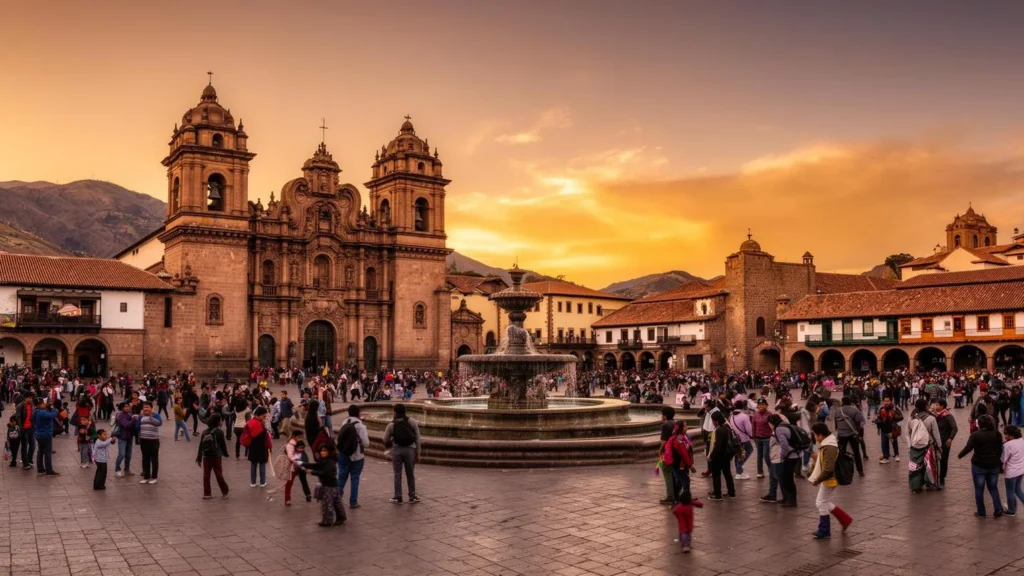
The Catedral del Cusco, commonly called Cusco Cathedral, stands on the northeastern side of the Plaza de Armas. Its imposing exterior introduces an interior filled with religious paintings, carved woodwork, elaborate altars, and silverwork. Construction began in the sixteenth century, and the complex illustrates how colonial religious institutions reshaped the former Inca capital. Give the interior attention rather than treating the cathedral only as a photograph stop.
What to Notice Inside the Cathedral
Look for local details within Christian imagery, including Andean foods, landscapes, and artistic interpretations. These elements help explain how regional artists adapted imported religious traditions. The scale of the interior also rewards a slow circuit through its different spaces. Visitor access may change during services, and photography restrictions can apply, so check current arrangements and follow instructions posted at the entrance.
Qorikancha: Cusco’s Temple of the Sun
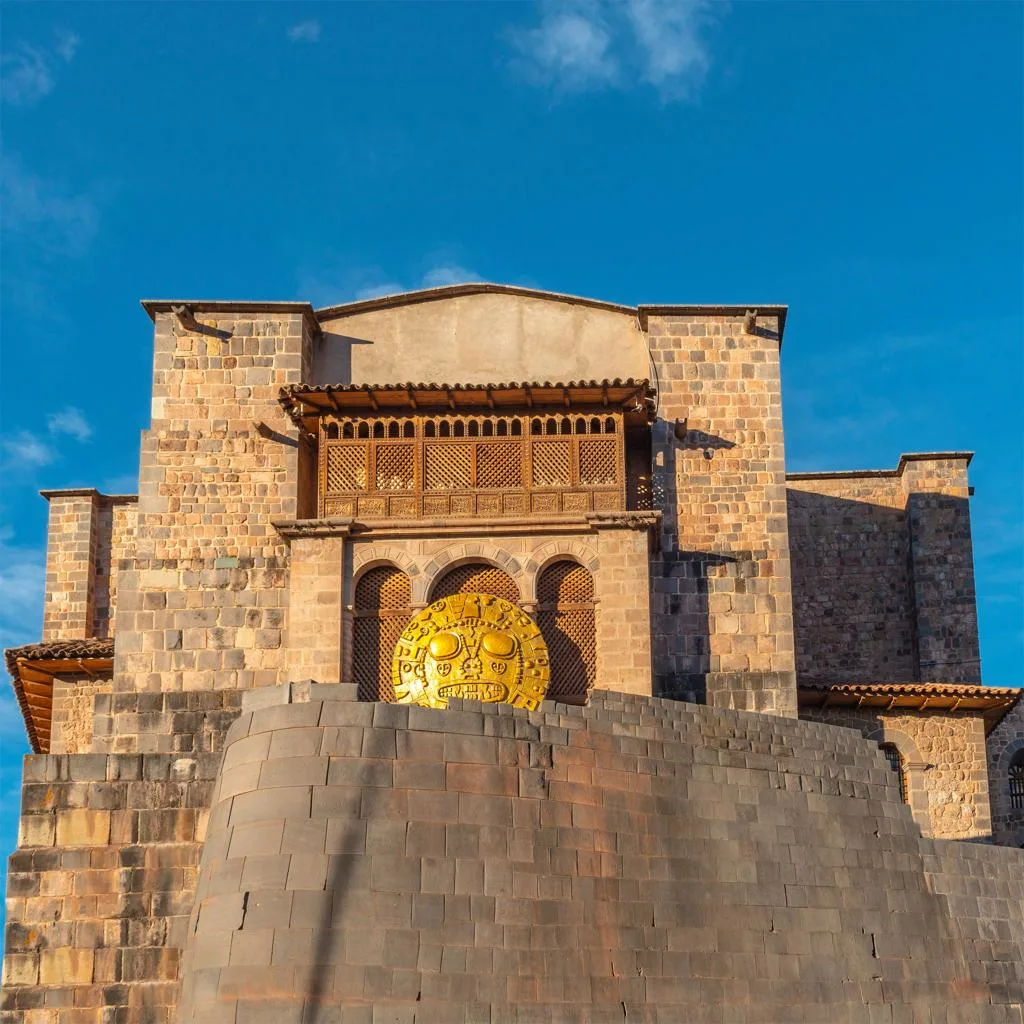
Qorikancha, also spelled Coricancha, was among the most important sacred complexes in the Inca world. Associated especially with worship of the sun, it remains one of the best places to examine refined Inca masonry. The colonial church and convent built over the complex create a striking architectural contrast. Surviving stone chambers show an extraordinary degree of precision in their joints, corners, and openings.
Why Qorikancha Belongs on Every Cusco Itinerary
Qorikancha makes the transformation of Cusco’s sacred landscape especially visible. Within one visit, you can compare Inca construction with later courtyards and religious architecture. Pay attention to the smooth stone surfaces and the proportions of the surviving rooms, not simply their size. Allow time for both the interior interpretation and exterior views, and confirm which spaces are included in the admission available that day.
San Blas: Hillside Streets and Artisan Traditions
San Blas rises above the historic center, offering narrow lanes, whitewashed walls, small plazas, and views across tiled rooftops. Often described as Cusco’s artisan neighborhood, it has long been associated with workshops and creative activity. Its appeal comes as much from wandering as from visiting a specific monument. The climb is noticeable at altitude, so take short stages and pause whenever necessary.
Exploring San Blas Beyond the Main Plaza
Start around the neighborhood plaza, then continue into quieter lanes where stairs and sloping streets create changing perspectives. Look for workshops displaying carving, painting, ceramics, or textiles, while remembering that many nearby doorways belong to private homes. Church access can vary, so treat an interior visit as an optional addition. Late-afternoon light often makes this area particularly attractive for photography.
Calles y Arquitectura Histórica: Cusco’s Historic Streets
The phrase calles y arquitectura histórica captures one of Cusco’s greatest pleasures: exploring its streets as an open-air architectural landscape. Hatun Rumiyoc is especially well known for its Inca wall and the Twelve-Angled Stone, a celebrated example of carefully fitted masonry. Nearby lanes reveal carved portals, heavy wooden doors, and colonial balconies. Move beyond the busiest photo spot to appreciate the surrounding streetscape.
Other rewarding routes include Cuesta del Almirante and streets connecting the main square with smaller plazas. Walk slowly enough to notice differences between finely worked ceremonial masonry and simpler stone construction. Avoid touching, climbing, or leaning equipment against historic walls. These streets are still working routes for residents and deliveries, so keep doorways clear and step aside when vehicles pass.
Archaeological Attractions Near Cusco
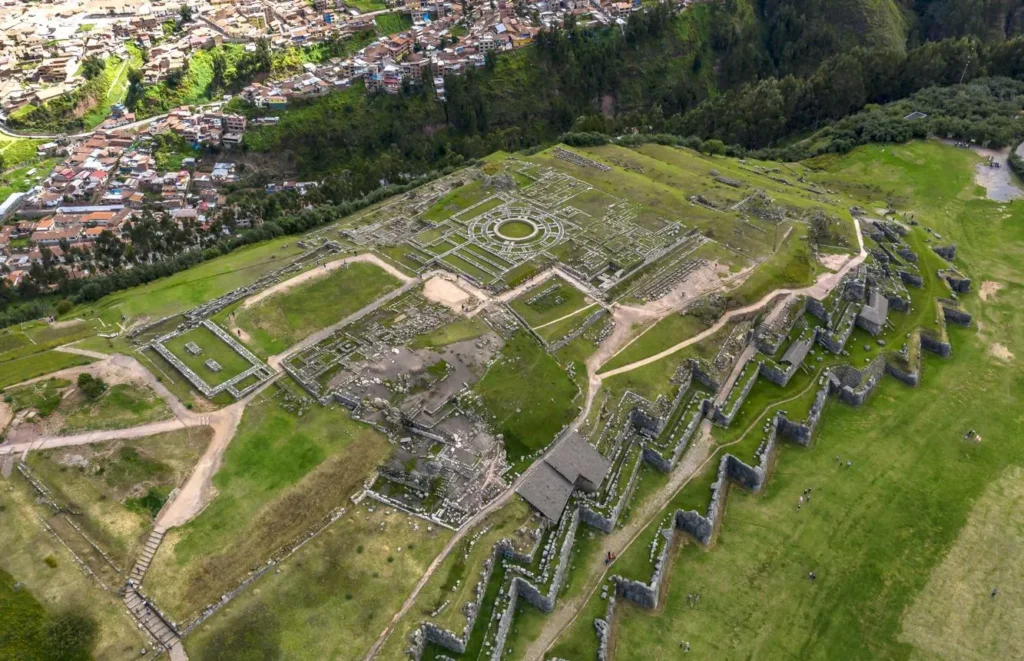
The hills above Cusco preserve important archaeological landscapes that complement the city-center monuments. Sacsayhuamán is the most substantial nearby site, while Q’enqo, Puka Pukara, and Tambomachay add different perspectives on Inca engineering and ceremonial space. They are often combined into one outing, but visiting all four requires several hours. Organized transport or an arranged vehicle makes the circuit easier than walking every connection.
Sacsayhuamán: Monumental Walls Above the City
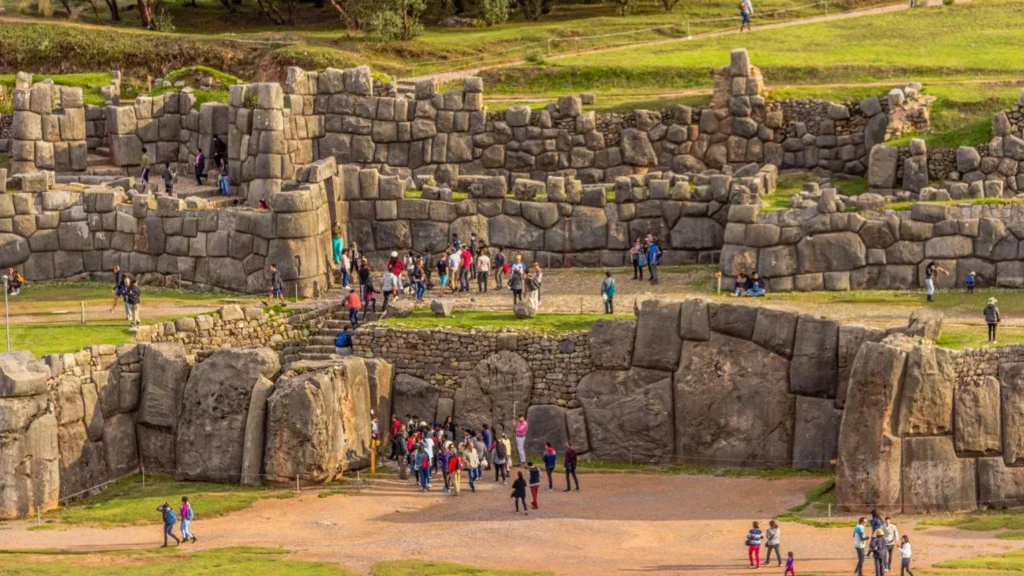
Sacsayhuamán is famous for enormous stone blocks arranged in impressive zigzagging terraces. Its scale makes it one of the most memorable Cusco attractions, while elevated viewpoints help explain the relationship between the city and surrounding mountains. Although often described as a fortress, the complex also had ceremonial importance. Allow enough time to explore beyond the first wall and appreciate the broader landscape.
Q’enqo: Carved Rock and Ceremonial Spaces
Q’enqo offers a more intimate encounter with Inca sacred architecture. Instead of vast terraces, its interest lies in carved limestone, channels, passages, and spaces associated with ritual activity. Interpretations of particular features are not always certain, so distinguish visible evidence from confident-sounding speculation. Uneven surfaces and shaded sections require careful footing, especially after rain, when stone can become slippery.
Puka Pukara: A Strategic Hillside Site
Puka Pukara occupies an elevated position overlooking routes through the surrounding countryside. Its walls, terraces, and rooms are often interpreted as part of a complex connected with movement, administration, or supervision of access to Cusco. The site is smaller than Sacsayhuamán but offers expansive landscape views. It works well as a shorter stop within a broader archaeological circuit.
Tambomachay: Water Engineering in an Andean Setting
Tambomachay is known for stone channels and fountains that demonstrate the importance of water in Inca architecture. Its exact functions remain debated, although ceremonial associations are commonly discussed. The combination of flowing water, carefully arranged masonry, and open hillside makes it especially atmospheric. Stay on permitted paths and avoid entering water features, which form part of the protected archaeological remains.
Top 10 Things to Do in Cusco
If you need a concise planning checklist, these top 10 things to do in Cusco balance major landmarks with neighborhood experiences. They are not intended as a single-day schedule. Spread them across two or three days if you want time to acclimatize, enter the main monuments, and explore without rushing. Travelers with less time should prioritize the historic center and one nearby archaeological site.
- Explore Plaza de Armas: Get oriented and admire the city’s principal square.
- Visit Cusco Cathedral: Discover religious art and colonial craftsmanship.
- Tour Qorikancha: Examine exceptionally refined Inca stonework.
- Walk through San Blas: Explore hillside lanes and artisan traditions.
- See the Twelve-Angled Stone: Appreciate masonry along Hatun Rumiyoc.
- Explore Sacsayhuamán: Experience monumental architecture above Cusco.
- Visit San Pedro Market: Learn about regional produce and everyday food culture.
- Continue to the smaller ruins: Compare Q’enqo, Puka Pukara, and Tambomachay.
- Find a city viewpoint: Understand Cusco’s setting among the mountains.
- Try regional cuisine: Discover Andean ingredients through local dishes.
Unique Things to Do in Cusco
Unique things to do in Cusco often involve slowing down rather than traveling farther. Markets, workshops, neighborhood viewpoints, and seasonal traditions add depth to the headline attractions. These experiences also help distinguish Cusco from a checklist of ruins and churches. Approach them with curiosity and respect, particularly when photographing people, entering working spaces, or observing events that have religious significance.
Explore San Pedro Market and Andean Ingredients
San Pedro Market introduces the food traditions that sustain the city. Stalls display potatoes, maize, grains, herbs, fruit, bread, and other everyday products. Walk through before buying anything so you can understand how different sections are arranged. Ask before taking close-up photographs of vendors. If you choose to eat, favor freshly cooked food served hot and use sensible food and water precautions.
Discover Traditional Crafts in Small Workshops
Watching a craftsperson work can be more memorable than browsing finished souvenirs. In artisan areas, ask whether demonstrations are available and whether the maker can explain materials, techniques, and production time. Not everything sold in Cusco is locally handmade, so thoughtful questions matter. If authenticity is important to you, ask where an item was produced rather than relying on its appearance.
Photograph Cusco from a Hillside Viewpoint
Elevated viewpoints reveal how closely Cusco’s rooftops fill the valley and climb the surrounding slopes. Areas around San Blas, San Cristóbal, and Sacsayhuamán offer different perspectives, although access conditions vary. Early or late light usually brings out the texture of the cityscape. Choose established routes, avoid isolated shortcuts after dark, and remember that a short uphill distance can still require substantial effort.
Taste Cusco’s Regional Cuisine
Food is an accessible way to understand the surrounding agricultural landscape. Look for dishes featuring quinoa, maize, potatoes, and warming soups, alongside regional preparations such as chiriuchu when available. Ingredients and recipes vary by season and occasion. On your first day at altitude, consider smaller portions and lighter meals, particularly if you are tired or experiencing reduced appetite after arrival.
Experience Living Traditions Respectfully
Processions, music, dance, and community celebrations can transform familiar plazas into ceremonial spaces. Dates and public access vary, so confirm local schedules close to your visit. Observe before approaching, ask permission for portraits, and avoid blocking participants. A celebration is not simply a performance for visitors; understanding its community role makes the experience more meaningful and helps prevent intrusive behavior.
What to Do in Cusco in One Day
If you are deciding what to do in Cusco in one day, concentrate on the historic center rather than attempting every major attraction. The itinerary below follows a manageable sequence while leaving room for breaks. It works best for visitors who feel comfortable at altitude. If you have just arrived, reduce the number of interiors and skip optional climbs rather than pushing through symptoms.
Morning: Plaza de Armas and the Cathedral
Begin with a gentle circuit of the Plaza de Armas, using the square to understand the city’s layout. Visit the cathedral if sightseeing access is available, then explore one or two nearby streets. Keep the morning flexible because religious services can affect entry. A relaxed breakfast and time sitting in the square are worthwhile parts of the day, not interruptions to it.
Late Morning: Qorikancha and Historic Streets
Continue toward Qorikancha through the historic center. Allow roughly an hour for a focused visit, with extra time if you enjoy architectural details and interpretation. Afterwards, pause for lunch nearby rather than immediately adding another major attraction. This section of the route combines relatively manageable walking with two of the most important themes in Cusco: Inca sacred architecture and colonial transformation.
Afternoon: Hatun Rumiyoc and San Blas
Return toward Hatun Rumiyoc to see the Twelve-Angled Stone before continuing uphill to San Blas. Explore the neighborhood plaza, browse workshops, and choose a comfortable place for a break. If you feel tired, stay on the lower streets instead of chasing the highest viewpoint. The atmosphere of San Blas is best appreciated slowly, especially when changing light brings out its architectural details.
Optional Substitution: Visit Sacsayhuamán
If archaeology is your main interest and you are already acclimatized, replace part of the afternoon with Sacsayhuamán. Arrange transport uphill to conserve energy, and allow time for both the site and the return journey. Do not simply add the entire four-ruin circuit to this schedule: that would make a one-day Cusco itinerary rushed and leave little flexibility for meals or delays.
Evening: Return to the Main Square
Finish around the Plaza de Armas, where illuminated façades create a different atmosphere from the morning. Choose an early dinner if you have another travel day ahead, and keep alcohol limited while adjusting to altitude. Stick to active, well-lit streets when walking back to your accommodation. A quiet evening often makes the following day more enjoyable than an overextended sightseeing schedule.
Cusco Attractions Map: How to Organize Your Route
Use the following location guide to build a Cusco attractions map around the Plaza de Armas. It is a planning overview rather than a scaled street map. Save your own offline navigation before heading out, since narrow streets, stairs, and changes in elevation can complicate apparently simple routes. Check walking directions separately from driving directions because some central lanes restrict vehicle access.
City-Center Attractions by Direction
The cathedral borders the main square, making it the easiest landmark to locate. From the plaza, Qorikancha lies generally southeast, while Hatun Rumiyoc and San Blas extend east and uphill. San Pedro Market lies southwest. These clusters help minimize backtracking: combine the market with western streets, and connect Hatun Rumiyoc with San Blas rather than treating each as a separate excursion.
- Central anchor: Plaza de Armas and Cusco Cathedral.
- Southeastern route: Historic streets leading to Qorikancha.
- Eastern uphill route: Hatun Rumiyoc, the Twelve-Angled Stone, and San Blas.
- Southwestern route: San Pedro Market and surrounding streets.
- Northern hillside: Sacsayhuamán and connections to other archaeological sites.
Walking Times and Hillside Connections
Many central journeys take approximately ten to twenty minutes without sightseeing stops, but steep sections can take longer. San Blas and Sacsayhuamán require more effort than routes across the lower center. For the outlying ruins, prioritize a sensible transport plan over the shortest-looking line on a map. Confirm your return arrangements beforehand, especially when visiting late in the day or during unsettled weather.
Practical Tips for Visiting Cusco Attractions
Altitude, Weather, and Comfortable Sightseeing
Allow a gentle first day, drink water regularly, and avoid strenuous uphill walks immediately after arrival. Altitude illness can affect otherwise healthy travelers. Do not ascend farther if symptoms develop; severe headache with worsening symptoms, breathlessness at rest, confusion, or difficulty walking requires urgent medical attention and descent. For everyday sightseeing, carry layers, sun protection, and rain protection, since conditions can change quickly.
Tickets, Opening Hours, and Entry Rules
Some archaeological attractions are included in a shared tourist ticket, while major religious monuments commonly have separate admission arrangements. Do not assume one ticket covers every Cusco attraction. Check the current inclusions, validity period, identification requirements, and opening hours before purchasing. Services, maintenance, festivals, and weather can affect access, so build a little flexibility into any tightly timed itinerary.
Free Things to Do in Cusco
Several rewarding experiences require no attraction ticket. Walk around the Plaza de Armas, admire historic façades, explore public streets in San Blas, and see the Twelve-Angled Stone from the lane. Markets are also useful places to browse respectfully without booking an activity. Remember that public exterior access does not necessarily include church interiors, archaeological areas, exhibitions, or privately managed viewpoints.
Best Time to Visit and How Long to Stay
The drier months, generally May through September, often suit walking and archaeological sightseeing, although nights can be cold and popular periods busy. The wetter season brings greener hills and a greater chance of afternoon rain. Plan at least two full days for central Cusco and nearby ruins; three days provide a more comfortable pace, especially when your visit begins immediately after arrival at altitude.
Planning Your Cusco Sightseeing Experience
The best Cusco itinerary combines its headline monuments with time to notice the details between them. Start with the Plaza de Armas, cathedral, and Qorikancha, then explore historic streets and San Blas. Add Sacsayhuamán and the smaller archaeological sites when your schedule and acclimatization allow. By grouping attractions geographically and leaving space for everyday culture, you can experience Cusco as a living Andean city rather than a collection of photo stops.
Leave a Reply