Cusco rewards travelers who look beyond its reputation as a gateway to Machu Picchu. The former Inca capital combines archaeological sites, colonial churches, lively markets, traditional neighborhoods, and mountain views in a city that is best explored slowly. Whether you have one afternoon or several days, the top things to see and do in Cusco include both famous landmarks and everyday experiences: walking ancient streets, tasting regional food, and watching life unfold around historic plazas.
This Cusco sightseeing guide groups the main attractions by location and interest, making it easier to plan a practical route. You will find things to do in Cusco city center, a top 10 attractions list, unique experiences, suggested itineraries, and advice on tours, sightseeing buses, tickets, and maps. Because central Cusco sits approximately 3,400 meters above sea level, a comfortable itinerary should also leave time to rest and adjust to the altitude.
Top 10 Things to Do in Cusco
The best places to visit in Cusco fall into three useful groups: walkable historic-center attractions, archaeological sites around the city, and cultural experiences involving museums and markets. The following top 10 things to do in Cusco cover all three. You do not need to complete the list in one visit; choose a balanced selection based on your interests, available time, and energy level.
Things to Do in Cusco City Center
Cusco’s historic center contains many of the city’s most rewarding attractions within a relatively compact area. However, short distances can involve uneven paving, steep streets, and more exertion than expected at altitude. Begin around Plaza de Armas, then connect nearby churches, Inca stonework, and traditional neighborhoods. Walking works well here because small architectural details often become highlights that you would miss from a vehicle.
1. Explore Plaza de Armas
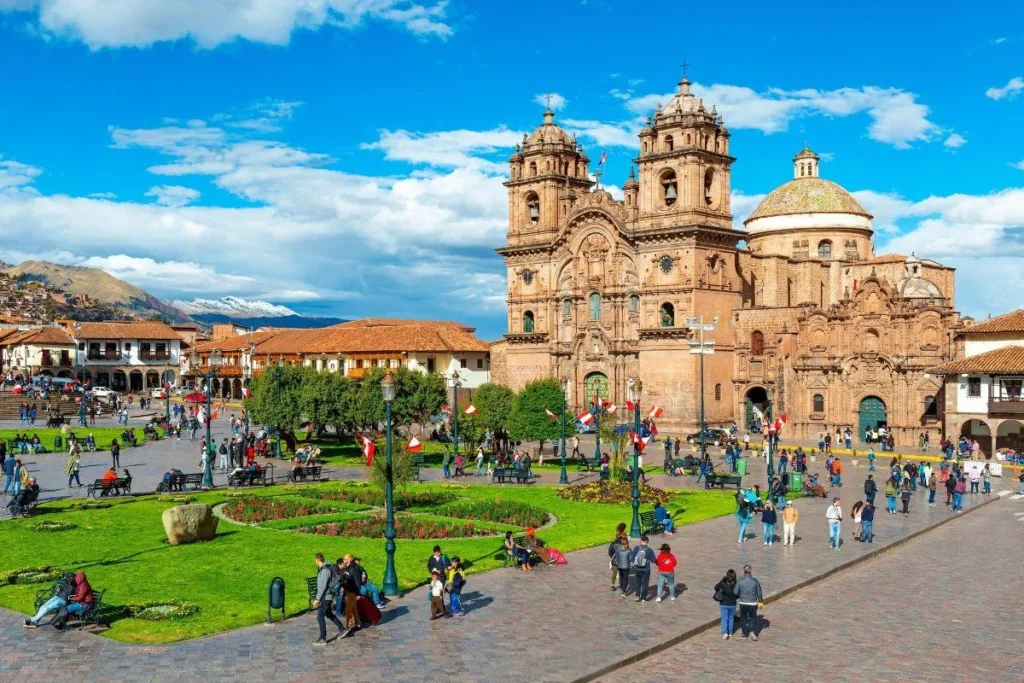
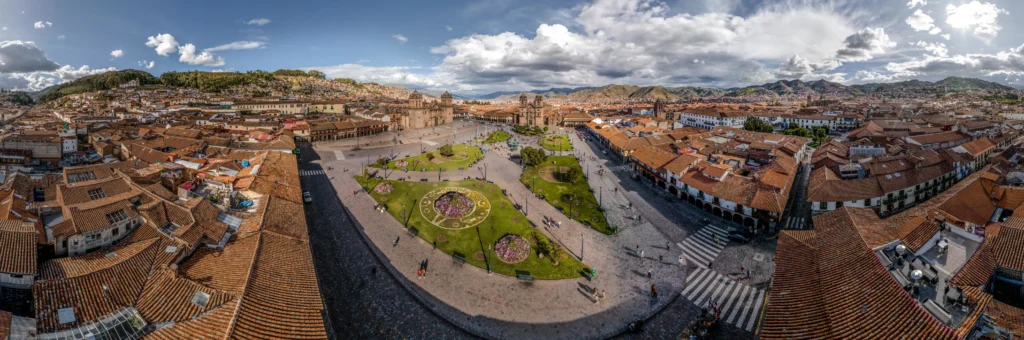
Plaza de Armas is the natural starting point for Cusco sightseeing. Arcaded buildings, churches, gardens, and surrounding hills create an immediate sense of the city’s layered history. Walk around the square rather than simply crossing it, looking at balconies and the streets leading uphill. Early morning generally offers a calmer atmosphere, while late afternoon brings warmer light. Return after dark to see illuminated façades and enjoy the evening atmosphere without adding another demanding activity to your itinerary.
2. Visit Cusco Cathedral
Cusco Cathedral occupies a prominent position on Plaza de Armas and deserves time beyond a quick exterior photograph. Inside, religious paintings, carved woodwork, silverwork, and elaborate altars reveal the artistic traditions that developed during the colonial period. Many visitors find the relationship between European religious themes and local artistic interpretation particularly interesting. Check current visitor hours, admission arrangements, and photography restrictions before entering. As this remains a place of worship, dress respectfully, speak quietly, and expect sightseeing access to change during services or religious events.
3. Discover Qorikancha and Its Inca Foundations
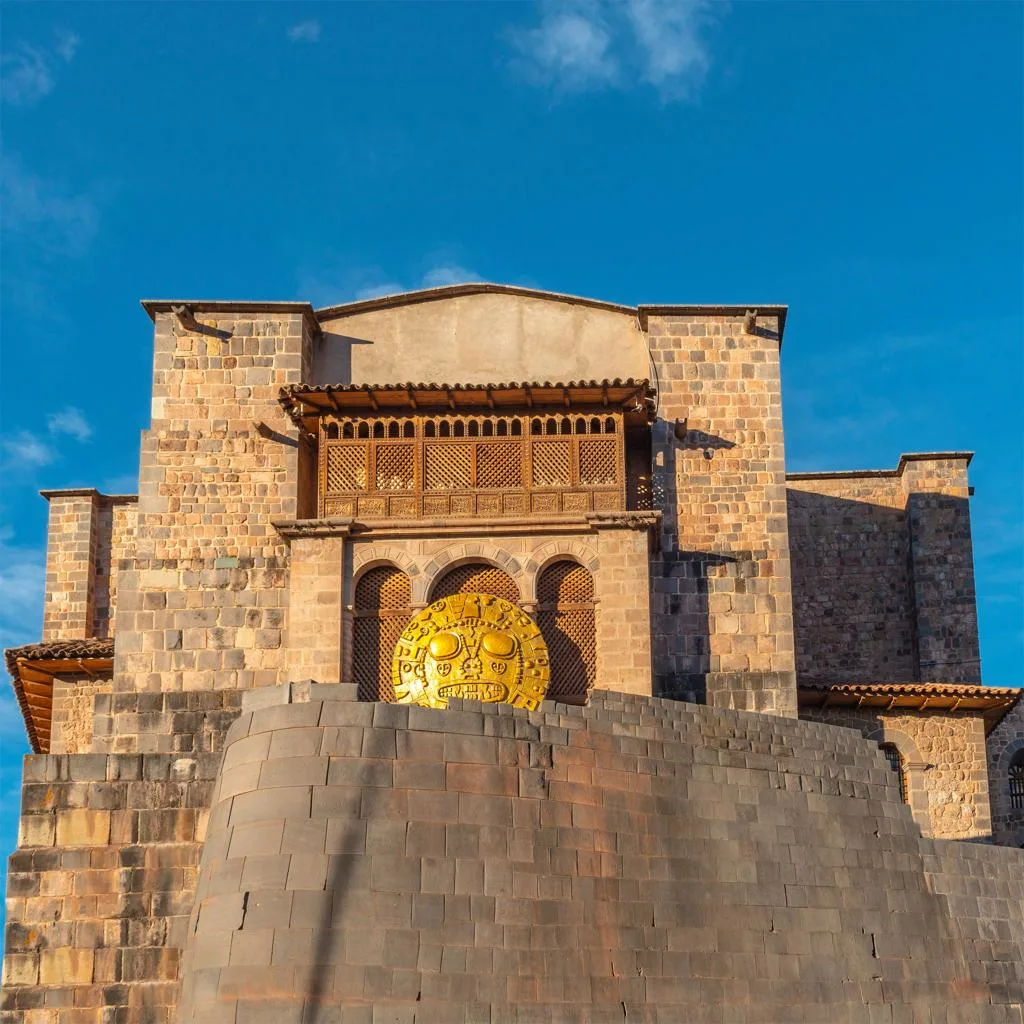
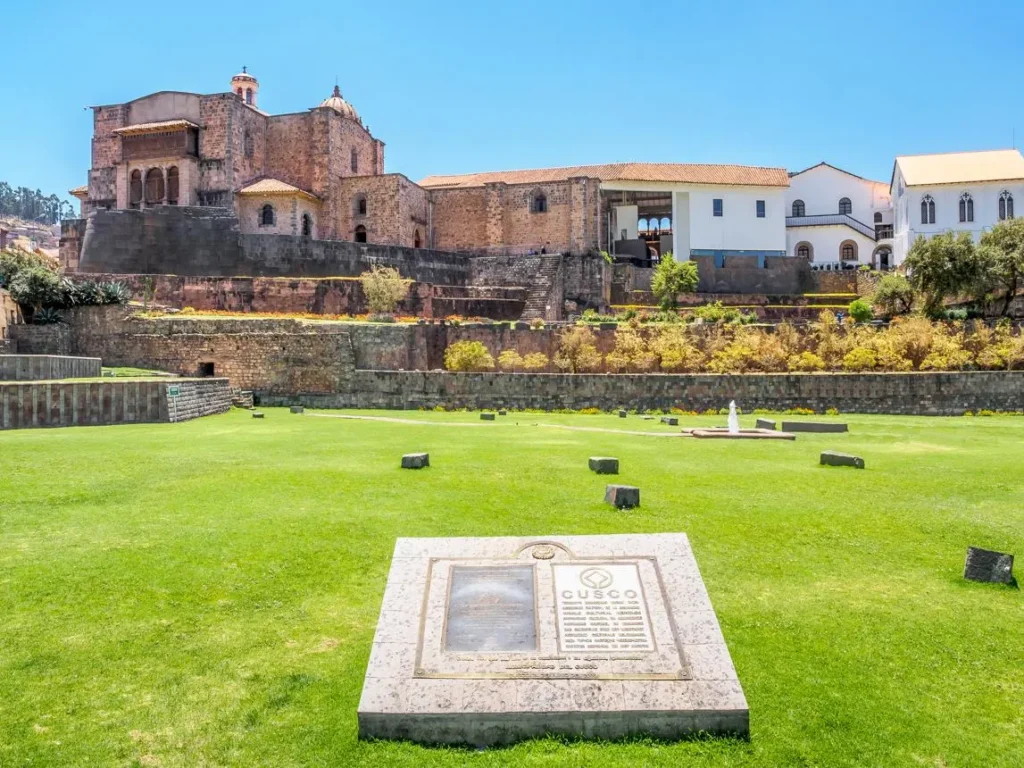
Qorikancha, also spelled Coricancha, was one of the most important sacred complexes in the Inca world. Its finely fitted stone walls offer a striking contrast with the colonial religious architecture built over and around the earlier site. Visiting helps explain how Cusco changed after the Spanish conquest while retaining substantial elements of its Inca foundations. Pay attention to the precision of the masonry and the arrangement of surviving spaces. Do not assume that admission to the main complex and any nearby museum spaces is covered by the same ticket.
4. Walk Hatun Rumiyoc and Find the Twelve-Angled Stone
Hatun Rumiyoc is among the best streets in Cusco for appreciating Inca masonry at close range. Its famous Twelve-Angled Stone forms part of a larger wall whose carefully shaped blocks demonstrate sophisticated construction techniques. The attraction is not only the individual stone but also the way the surrounding masonry fits together. Visit early if you want a less crowded view, keep pedestrian access clear, and avoid touching or leaning against historic stonework. Continue along nearby lanes to notice how ancient walls support later buildings.
5. Explore the San Blas Neighborhood
San Blas offers narrow streets, small plazas, artisan workshops, and elevated views over Cusco’s rooftops. It is one of the best neighborhoods for unhurried wandering, especially if you enjoy photography and handmade crafts. The uphill approach can feel strenuous during your first day, so take breaks or arrange transport closer to your destination. Rather than searching for a single attraction, follow a short loop through the neighborhood and pause where views open between buildings. Access to individual churches, workshops, and terraces varies, so avoid building your visit around one interior space.
Inca Ruins and Archaeological Sites Around Cusco
The archaeological sites above Cusco add essential context to the city-center landmarks. They show how ceremonial spaces, engineered landscapes, and monumental architecture extended beyond the urban core. These locations are often combined on a half-day excursion, although travelers with a strong interest in archaeology may prefer more time. Expect stronger sun exposure, cooler wind, uneven ground, and fewer sheltered places than in the historic center.
6. See the Monumental Walls of Sacsayhuamán
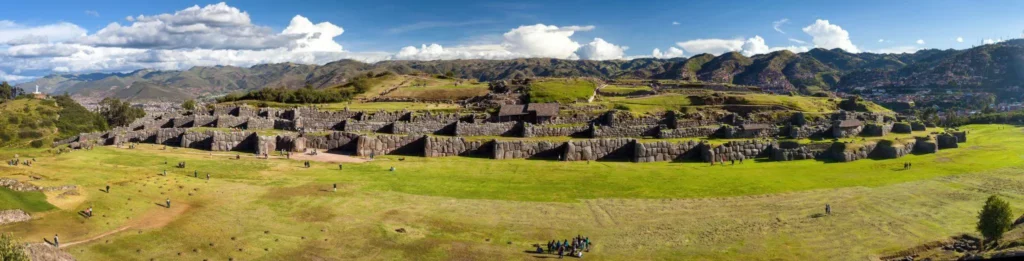
Sacsayhuamán is one of the most impressive Cusco attractions, known for its enormous stone blocks and distinctive zigzag walls. Standing beside the masonry makes its scale much easier to appreciate than photographs do. The site also provides broad views over the city and surrounding landscape. Allow time to move beyond the first viewpoint and understand the layout without rushing. Walking uphill from central Cusco is possible, but transport is often the more comfortable choice while acclimatizing. Stay within permitted areas and never climb protected walls.
7. Explore Qenqo’s Carved Rock Features
Qenqo provides a different experience from the monumental walls at Sacsayhuamán. Here, the interest lies in carved limestone, passages, and spaces associated with ceremonial activity. Some interpretations of specific features remain uncertain, so a thoughtful visit should distinguish visible archaeological evidence from confident-sounding speculation. Moving through the site can involve narrow or uneven sections, making sturdy footwear useful. Qenqo works well as part of a broader archaeological route because it introduces another aspect of how the Incas shaped and used natural rock formations.
8. Combine Tambomachay and Puca Pucara
Tambomachay is known for stone channels and fountains that demonstrate careful water management within a setting often associated with ceremonial functions. Nearby Puca Pucara offers terraces, walls, and an open position overlooking the surrounding landscape. Visiting them together creates a useful contrast between water-focused architecture and a site commonly interpreted as having administrative or control-related functions. Both are typically included in excursions around Cusco. Bring a windproof layer and take your time on steps, since these sites sit higher than the city center.
Cusco Museums and Local Culture
Museums and markets help connect Cusco’s architecture with the people, beliefs, and daily routines behind it. They are also useful additions when rain interrupts outdoor plans or when you want a less physically demanding afternoon. Choose cultural stops selectively rather than treating every museum as essential. One well-matched collection and a thoughtful market visit can be more rewarding than several hurried admissions.
9. Visit Cusco Museums for Historical Context
Cusco museums cover subjects including Inca history, archaeology, regional traditions, colonial art, and religious culture. An archaeological collection can help explain objects and building techniques you encounter at nearby ruins, while an art-focused museum reveals how local and imported traditions interacted. Check the scope of each collection before buying admission, especially if your time is limited. Some museums are included in broader sightseeing tickets, while others charge separately. Opening hours, interpretation languages, accessibility, and photography policies vary, so confirm the details that matter most to your visit.
10. Experience San Pedro Market
San Pedro Market introduces the everyday side of Cusco through produce stalls, bread, flowers, ingredients, and prepared food. Walk through slowly before deciding what to purchase, and remember that this is a working market rather than a staged attraction. Ask permission before photographing vendors and keep money and valuables secure in busy aisles. If you choose to eat, favor freshly cooked food served hot and consider your own dietary needs. A morning visit pairs naturally with nearby historic streets and offers an engaging alternative to another monument.
Unique Things to Do in Cusco
Unique things to do in Cusco often involve slowing down rather than traveling farther. Beyond the best-known attractions, the city offers opportunities to learn about living traditions, observe neighborhood life, and explore regional flavors. Choose activities that encourage genuine interaction and explain their cultural context. Responsible experiences should respect residents’ privacy, compensate skilled work fairly, and avoid presenting local customs as performances arranged solely for visitors.
Learn About Andean Textiles and Craft Traditions
A textile demonstration or hands-on craft session can reveal details that are easy to overlook when browsing finished products. Ask about fibers, natural dyes, weaving methods, and the time required to create a piece. Designs may carry community-specific meanings, so avoid assuming that every geometric pattern has one universal interpretation. If buying a souvenir, compare workmanship and materials rather than relying only on labels. Small workshops can also provide a quieter, more personal complement to crowded sightseeing stops.
Discover Traditional Cusco Food
Food-focused sightseeing can include a cooking lesson, a guided market visit, or a meal built around regional ingredients. Look for opportunities to learn about potatoes, corn, quinoa, soups, and local cooking methods rather than simply ordering unfamiliar dishes. Travelers interested in traditional meat dishes can ask how they are prepared and whether advance ordering is required. Vegetarian options are available, but confirming whether broths contain meat is sensible. On arrival day, moderate portions and limited alcohol may make adjusting to altitude more comfortable.
Enjoy Viewpoints and Evening Walks
Cusco’s hillside setting creates rewarding viewpoints, especially around the upper streets of San Blas and the approaches toward San Cristóbal. Choose established public viewpoints and avoid entering private terraces without permission. Late-afternoon light can be excellent, although clouds may obscure the surrounding mountains. After sunset, a short walk around the main square offers a different atmosphere with less physical effort. Use well-traveled streets, carry a warm layer, and arrange transport if returning from unfamiliar or isolated areas.
Cusco Sightseeing Itinerary
A good Cusco sightseeing itinerary balances historical interest with altitude, weather, and realistic travel times. Group neighboring attractions instead of repeatedly crossing the city. Save demanding walks for after you have had time to adjust, and remember that arriving from a lower elevation changes what is sensible on your first day. The following plans focus on Cusco itself rather than treating major excursions outside the city as quick add-ons.
What to See in Cusco in One Day
If you are already acclimatized, one day is enough for a satisfying introduction to the historic center and one nearby archaeological highlight. Start at Plaza de Armas, choose between a longer cathedral visit and additional museum time, then continue through the streets around Hatun Rumiyoc. Include Qorikancha and a relaxed meal before deciding whether you have the energy for Sacsayhuamán. If you have just arrived at altitude, skip the ambitious additions and keep your route gentle.
Morning: Main Square, Cathedral, and Inca Streets
Begin with an easy circuit of Plaza de Armas and visit Cusco Cathedral if tourist access is available. Continue to Hatun Rumiyoc to see the Twelve-Angled Stone and surrounding masonry. From there, either make a short uphill detour toward San Blas or remain on flatter central streets. Keep the morning flexible: opening hours may make it more practical to reverse stops. A seated break is worthwhile, especially if this is your first full day in the Andes.
Afternoon and Evening: Qorikancha and a Flexible Final Stop
Visit Qorikancha after lunch, then choose one final activity rather than trying to complete the entire top 10 list. Acclimatized travelers may prefer transport to Sacsayhuamán, while others will enjoy a museum or San Pedro Market. If the market is a priority, visit earlier and move an indoor attraction later. Finish with dinner near your accommodation or an easy evening walk around the main square. This keeps the day memorable without turning it into a rushed checklist.
What to Do in Cusco for 3 Days
Three days allow you to separate the historic center, surrounding archaeological sites, and slower cultural experiences. This is a more comfortable approach than squeezing every attraction into a single tour. It also provides flexibility if rain, fatigue, or temporary closures interrupt your plans. If these are your first days at altitude, make the opening day deliberately light and adjust subsequent activities according to how you feel rather than following a rigid schedule.
Day 1: Gentle Historic-Center Exploration
Spend your first day around Plaza de Armas, nearby Inca streets, and one indoor attraction such as Cusco Cathedral or a museum. Take a long lunch break and avoid unnecessary uphill walking. If you feel comfortable, add Qorikancha; otherwise, move it to the third day. The goal is to understand the city’s layout while keeping exertion modest. An early dinner and restful evening are usually more useful than trying to include every central landmark immediately.
Day 2: Archaeological Sites Above Cusco
Dedicate the second day to Sacsayhuamán, Qenqo, Puca Pucara, and Tambomachay, using transport between the more widely spaced sites. Start with the location you most want to explore so that it receives your best energy and attention. A guide can clarify construction methods and historical context, but leave time to look around independently. After returning to the city, keep the remaining schedule light. If altitude symptoms persist, postpone this higher-elevation route rather than pushing through discomfort.
Day 3: Markets, Museums, and San Blas
Visit San Pedro Market in the morning, then explore a museum matched to your interests or catch up on Qorikancha if you skipped it earlier. Reserve the afternoon for San Blas, a craft experience, or a leisurely food activity. This final day is intentionally flexible, allowing you to revisit a favorite street or spend longer somewhere unexpected. Travelers continuing toward the Sacred Valley or Machu Picchu should treat those destinations as separate itinerary components with their own transport and ticket arrangements.
Cusco Sightseeing Tours, Buses, and Tickets
Independent sightseeing works particularly well in central Cusco, while organized transport becomes more useful for the archaeological sites outside the walkable core. Before booking anything, compare the actual route, time at each attraction, and admission inclusions. A low advertised price may cover transport only, and a long list of stops does not necessarily mean meaningful time at each place.
Cusco Sightseeing Tours: Guided or Independent?
Cusco sightseeing tours are most valuable when interpretation matters to you or when you want convenient transport between scattered sites. Walking tours suit the historic center, while vehicle-based excursions commonly combine the archaeological attractions above the city. Confirm the guiding language, group size, walking demands, pickup arrangements, and whether shopping stops reduce sightseeing time. Independent exploration offers greater flexibility for photography, museums, and rest breaks. A balanced approach is to walk the center yourself and use a guide for the archaeological circuit.
Cusco Sightseeing Bus: What to Expect
A Cusco sightseeing bus can provide a useful orientation and access to panoramic viewpoints without a long uphill walk. However, routes and operating styles vary: some are fixed excursions rather than frequent hop-on, hop-off services. Ask whether the bus stops for visits or simply passes landmarks, and verify where boarding and drop-off take place. Large vehicles cannot access many narrow historic streets. On open upper decks, sun, wind, and sudden rain can be uncomfortable, so carry sun protection and a warm outer layer.
Cusco Sightseeing Tickets: Understanding Admission
Cusco sightseeing tickets are not a single universal pass covering every attraction. The commonly used tourist ticket includes specified archaeological sites and selected cultural venues, with comprehensive and partial options subject to current rules. Major attractions such as Cusco Cathedral and the main Qorikancha complex generally require separate admission. Machu Picchu is also a separate booking. Verify the current list of included sites, validity period, eligibility requirements, and purchase arrangements through official ticket offices before paying.
- Match the ticket to your actual route rather than buying the broadest option automatically.
- Check whether validity begins on purchase, on a printed date, or at first use.
- Carry any identification required for your ticket category.
- Keep the original ticket secure throughout its validity period.
- Bring a backup payment method because card acceptance can vary.
Cusco Sightseeing Map and Practical Planning
Build a Cusco Sightseeing Map Around Geographic Clusters
A useful Cusco sightseeing map should show three clusters. The central cluster includes Plaza de Armas, Cusco Cathedral, Hatun Rumiyoc, and San Blas. A second walking route connects the main square with Qorikancha and San Pedro Market, allowing for the distance between them. The outlying archaeological cluster includes Sacsayhuamán, Qenqo, Puca Pucara, and Tambomachay. Save an offline map, mark your accommodation, and check elevation as well as distance: a short-looking route can involve a tiring climb.
Choose the Best Time for Cusco Sightseeing
The drier season generally runs from May through September, bringing favorable conditions for outdoor exploration but also busy travel periods and cold nights. Wetter months, broadly November through March, can bring greener landscapes and rain-disrupted plans. April and October are transitional, with variable conditions. Weather remains changeable throughout the year, so pair outdoor priorities with indoor alternatives. Start exposed archaeological visits earlier when practical, and carry layers, sun protection, and rain protection regardless of the forecast.
Plan for Altitude, Accessibility, and Comfortable Walking
Take your first day slowly, drink normally to stay hydrated, and avoid heavy exertion while adjusting to Cusco’s elevation. Altitude illness can affect fit travelers too; worsening symptoms need medical assessment, and breathlessness at rest, confusion, or difficulty walking require urgent attention. Uneven paving, steps, and steep lanes can also create accessibility barriers. Travelers with mobility needs should confirm vehicle access and step-free arrangements for individual attractions rather than assuming the historic center or archaeological sites are fully accessible.
Is Cusco Worth Visiting?
Yes, Cusco is worth visiting for its distinctive combination of Inca architecture, colonial art, archaeological landscapes, regional food, and living cultural traditions. It offers substantially more than a convenient stop before Machu Picchu. Even one carefully planned day can reveal why the city matters, while three days allow a more balanced experience of its landmarks and neighborhoods.
The most rewarding approach to Cusco sightseeing is selective rather than exhaustive. Combine a few major attractions with time for markets, quiet streets, and unplanned discoveries. Respect the altitude, group nearby stops, and leave room to pause. Cusco’s appeal lies as much in the experience of moving through the city as in the individual places you come to see.
Leave a Reply