Cusco Cathedral is one of the most important historic attractions in Cusco, Peru. Overlooking the Plaza de Armas, this monumental church brings together colonial architecture, religious art, Andean craftsmanship, and centuries of local devotion. Its imposing stone exterior introduces an interior filled with carved choir stalls, elaborate altars, silverwork, and paintings that reveal the cultural complexity of the city.
This Cusco Cathedral visiting guide covers its history, architecture, famous Last Supper painting, tickets, opening hours, religious services, and practical travel considerations. Whether you want to understand the building’s historical significance or plan a visit around other things to do in Cusco, the following sections explain what to expect. Admission prices, access arrangements, and schedules can change, so confirm operational details locally before visiting.
What Is Cusco Cathedral?
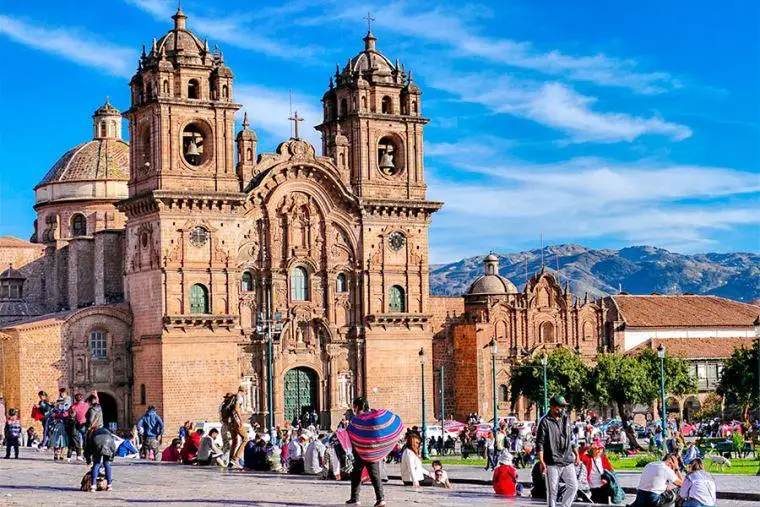
Cusco Main Cathedral: The City’s Principal Catholic Church
Cusco Cathedral is the principal Catholic cathedral of Cusco and the seat of its archdiocese. Dedicated to the Virgin of the Assumption, it remains an active place of worship rather than simply a historic monument. Visitors encounter both an architectural landmark and a living religious institution, where daily devotion, major celebrations, and ceremonial traditions continue alongside cultural tourism. This dual purpose shapes everything from access rules to appropriate visitor behavior.
Understanding the Cusco Peru Cathedral Complex
The name “Cusco Cathedral” commonly refers to a connected religious complex rather than a single isolated building. The main cathedral stands between the Church of Triumph and the Church of the Holy Family. Together, these buildings illustrate different stages of colonial religious construction. Depending on the admission arrangement and temporary closures, a cultural visit may allow you to move through connected spaces and compare their architecture, devotional objects, and atmosphere.
Location in Plaza de Armas
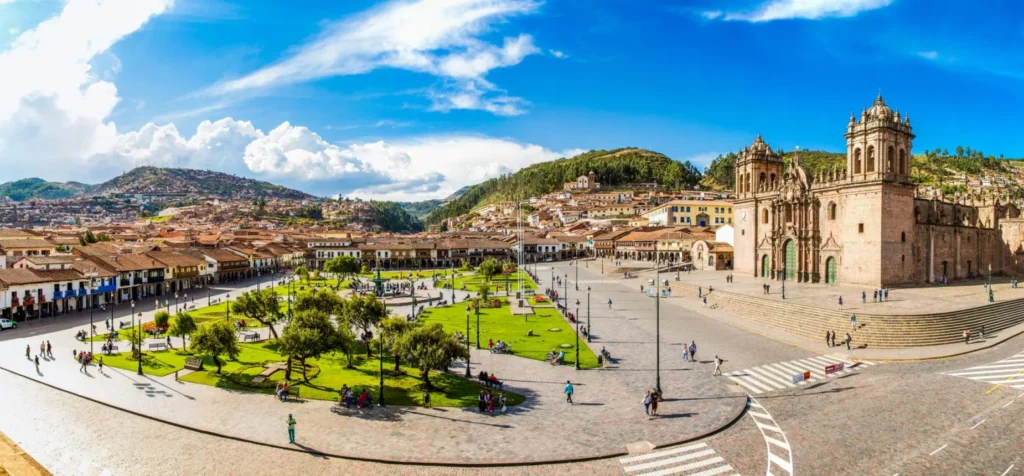
Cusco Cathedral occupies a prominent position on the northeastern side of the Plaza de Armas, the city’s central square. Its broad steps, monumental façade, and twin towers make it easy to recognize. The setting matters historically: this area formed part of the ceremonial and political heart of the Inca capital before colonial redevelopment. Today, the cathedral remains a natural starting point for exploring Cusco’s historic center on foot.
Cusco Cathedral History
When Was the Cusco Cathedral Built?
Construction of the main Cusco Cathedral began in 1559 and continued for almost a century, with completion generally dated to 1654. Its consecration followed in 1668. These different milestones explain why descriptions sometimes give more than one date for the cathedral’s establishment. The long building period also helps explain its architectural variety: the structure developed across changing artistic preferences, practical challenges, and successive generations of craftspeople.
From an Inca Palace Site to a Colonial Cathedral
The cathedral was built on the site associated with an Inca royal palace, placing the new religious monument within an already significant urban landscape. Its construction expressed the political and spiritual transformation imposed during colonization. Stone reused from earlier Inca structures contributed to the colonial building campaign. However, visitors should distinguish between the cathedral’s colonial masonry and surviving Inca walls elsewhere in Cusco rather than assuming every visible stone belongs to an earlier palace.
Historical Development and Earthquake Resilience
Cusco’s seismic environment is central to the cathedral’s history. The major earthquake of 1650 struck while construction was still underway, and later earthquakes also tested the city’s religious buildings. Repairs, reinforcement, and conservation became part of the cathedral’s continuing development. Its heavy masonry and substantial supports give the interior a powerful sense of solidity, although the survival of historic fabric also reflects repeated maintenance rather than an absence of earthquake damage.
Role in Cusco’s Historic Center
For centuries, the cathedral has helped organize religious and civic life around the Plaza de Armas. Public celebrations, processions, and important liturgical events connect its interior to the surrounding streets. It also preserves objects that document colonial artistic production and local devotional traditions. Understanding this role makes a visit more meaningful: the cathedral is not merely a backdrop for photographs but an institution closely connected to Cusco’s changing identity.
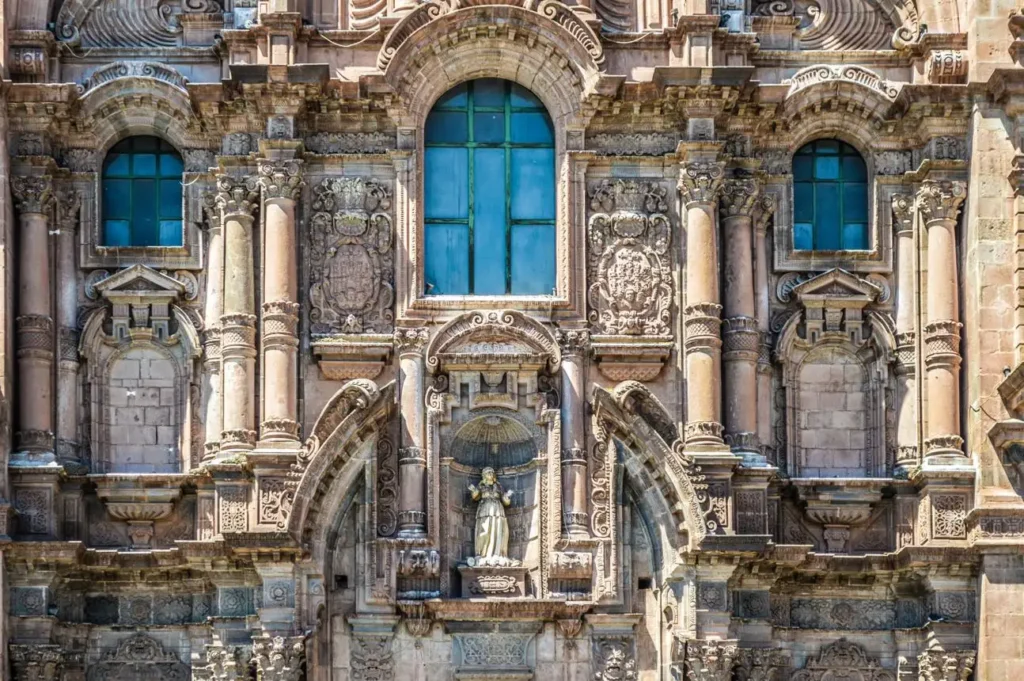
Cusco Cathedral Architecture and Interior
Main Architecture: Monumental Stone and Balanced Design
Cusco Cathedral’s architecture combines a predominantly Renaissance composition with Gothic-derived structural features and later Baroque decoration. Outside, the broad façade and paired towers create a balanced, imposing appearance. Inside, substantial piers support vaulted spaces arranged around the main nave and adjoining aisles. The contrast between restrained architectural mass and richly decorated religious furnishings is one of the building’s defining characteristics, rewarding attention to both the overall plan and smaller details.
Façade, Towers, and Entrance Portals
Before entering, spend time examining the relationship between the cathedral’s towers, central entrance, and raised position above the square. The carved portals provide concentrated decoration within an otherwise weighty stone exterior. Changes in daylight reveal different textures and shadows across the façade. Viewing the building from the opposite side of the Plaza de Armas helps you appreciate its proportions, while a closer approach reveals the depth of its architectural carving.
Altars, Chapels, and Religious Art
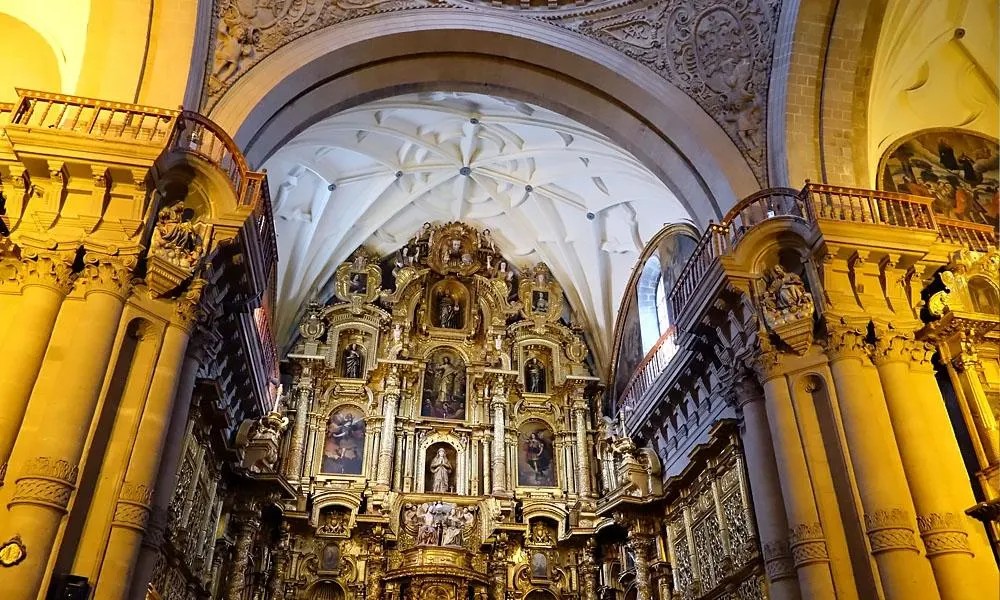
The cathedral interior contains richly worked altarpieces, devotional sculptures, paintings, and precious-metal ornament. Side chapels create smaller spaces for particular religious images and practices, while the main altar area establishes the central liturgical focus. Rather than treating these objects as disconnected treasures, consider how they function together: architecture directs movement, altarpieces frame sacred figures, and paintings communicate religious narratives through settings and visual details familiar to their audiences.
Silverwork and Carved Choir Stalls
Among the most memorable interior features are the cathedral’s silverwork and elaborately carved wooden choir stalls. Their materials and craftsmanship reflect the resources invested in colonial religious life. The choir also illustrates the importance of music and communal prayer in cathedral worship. Where access allows, study the carving from permitted visitor areas without leaning over barriers or touching surfaces, since historic wood and metalwork require careful preservation.
Colonial and Andean Influences
The cathedral’s decoration reflects the participation of local and Indigenous craftspeople within a colonial religious framework. European Christian subjects appear alongside regional artistic choices, familiar foods, decorative forms, and approaches to color and composition. These combinations are often described as cultural blending, but they emerged within unequal colonial conditions. Looking for Andean influences therefore means recognizing both artistic creativity and the complex historical circumstances in which the works were produced.
The Last Supper Painting in Cusco Cathedral
The Famous Last Supper Painting
The Last Supper painting in Cusco Cathedral is among its best-known artworks because it presents a familiar Christian scene with a distinctly Andean detail: a guinea pig, or cuy, appears on the table. Cuy has long held culinary and ceremonial importance in the Andes. Its presence makes the painting especially memorable for visitors and provides a clear example of how religious imagery could be adapted to a local cultural environment.
Artistic Characteristics and Regional Details
The painting follows the recognizable arrangement of the sacred meal, with figures gathered around a table and gestures helping convey the emotional weight of the scene. Its regional character emerges through the treatment of the banquet and its details rather than through a complete rejection of European models. Allow time to examine the food, vessels, clothing, and expressions instead of looking only for the guinea pig and immediately moving on.
Why the Painting Is Notable
This artwork matters because it makes cultural translation visible. A religious story originating far from the Andes is presented through elements that local viewers could recognize. The painting is therefore more than an unusual food reference; it offers an accessible introduction to colonial Andean art. Some interpretations of individual faces and symbols are debated or rely on local storytelling, so distinguish clearly documented features from entertaining but uncertain explanations.
Cusco Cathedral Tickets and Entrance Fee
Cusco Cathedral Ticket Information
Cultural sightseeing generally requires a paid ticket during designated visitor hours. Admission arrangements may include a cathedral-specific ticket or a broader religious-site circuit, depending on current sales policies. Before purchasing, confirm the exact buildings included, ticket validity, and any restrictions on reentry. Travelers should not assume that the general Cusco tourist ticket covers cathedral admission; it is normally separate from the ticket used for many archaeological attractions and selected museums.
How Much Is the Cusco Cathedral Entrance Fee?
A commonly published reference price for standard adult admission is approximately S/40, but this should be treated as a planning estimate rather than a confirmed current tariff. Prices can change, and combined tickets may have different rates. Reduced admission may be available for eligible visitors, subject to identification requirements. Ask for the current price in Peruvian soles and clarify whether any guide, audio service, or additional church access costs extra.
What to Check Before Paying
The most useful ticket questions concern inclusions rather than price alone. A lower-priced option may cover fewer spaces, while a combined admission may only offer value if you have time to visit the other included sites. Payment methods can also vary. Carry a practical amount of local currency, keep your ticket accessible throughout the visit, and request clarification whenever the ticket description does not match the route you intend to follow.
- Confirm the adult price and any eligible reduced rate.
- Ask which connected churches and exhibition areas are accessible.
- Check whether guide services are included or sold separately.
- Verify the final entry time and ticket-validity period.
What Admission Includes
Standard cultural admission typically provides access to the cathedral’s principal visitor route, including major architectural spaces and selected religious artworks. Connected churches may form part of that route, but access can be restricted during services, restoration, or special events. A ticket does not automatically authorize photography, entry into the sanctuary, or access to every chapel. Respect ropes, signs, and staff instructions even when an area appears physically open.
Cusco Cathedral Opening Hours and Mass Times
Cusco Cathedral Opening Hours for Visitors
A frequently published sightseeing schedule is approximately 10:00 a.m. to 6:00 p.m., although these hours are not guaranteed for every date. Final admission may occur before closing, and religious celebrations can interrupt normal access. Use this time range as an initial planning reference, then check the posted schedule at the cathedral. Avoid arranging your only opportunity to visit immediately before closing, when ticket sales or access to connected spaces may already have ended.
Cusco Cathedral Mass Times
Religious services commonly take place in the morning, outside or before the main cultural-visiting period, with additional services possible on particular days. Exact Mass times vary according to the weekday, parish calendar, and major celebrations. Rather than relying on a fixed schedule copied into an itinerary, check the current noticeboard or ask cathedral staff. If attending Mass, arrive early enough to settle quietly and follow the congregation’s movements respectfully.
Visiting Hours Versus Religious Services
Tourist access and worship access serve different purposes. Entry for prayer or Mass may be free, but it does not necessarily permit sightseeing throughout the complex. During services, movement, commentary, and access to artworks may be restricted. Travelers interested in architecture and paintings should purchase the appropriate cultural admission rather than treating a service as a way to avoid the entrance fee. Those attending worship should prioritize the religious setting.
Holiday and Festival Schedule Changes
Major religious observances can bring processions, decorated spaces, larger congregations, and altered opening arrangements. These occasions offer insight into living traditions, but they are not always suitable for an uninterrupted art-focused visit. Build flexibility into your schedule if traveling during an important celebration. Even when the cathedral remains open, parts of the interior may be reserved for worship, and the surrounding square may have temporary movement restrictions.
Cusco Cathedral Tours
Guided Tours and Independent Visits
A guided Cusco Cathedral tour can help connect the architecture, paintings, and devotional objects into a coherent historical story. Guides are particularly useful for explaining regional artistic details that are easy to miss independently. Before agreeing to a tour, confirm its language, duration, total cost, and whether admission is included. An independent visit works well for travelers who prefer a slower pace, provided they arrive with some background knowledge.
What Visitors Can See on a Cathedral Tour
A typical route focuses on the main nave, choir, significant altars, selected chapels, and notable paintings, including the Last Supper when accessible. Some tours also discuss the connected churches and the cathedral’s relationship with the Plaza de Armas. The strongest visits explain why objects mattered to their original communities, not simply how old or valuable they are. Actual stops depend on access conditions and the guide’s permitted route.
How Much Time to Allow
Allow approximately 60 to 90 minutes for a comfortable cultural visit, especially if you want to appreciate more than the principal highlights. Travelers with a strong interest in religious art may prefer longer, while a focused guided route can sometimes be shorter. Ask about the expected duration before booking. A rushed visit makes it difficult to appreciate the quieter chapels, carved details, and relationships between individual artworks.
How to Visit Cusco Cathedral
Getting to the Cathedral in Plaza de Armas
For visitors staying in central Cusco, walking is usually the simplest way to reach the cathedral. Streets around the historic center can be narrow, uneven, and busy, while vehicle access near the square may vary. If arriving by taxi, arrange a practical nearby drop-off point and continue on foot where necessary. The cathedral’s façade is easy to identify from the plaza, but the active visitor entrance should be confirmed on arrival.
Best Time to Visit Cusco Cathedral
For a quieter experience, aim for the beginning of confirmed sightseeing hours or another period outside the busiest group arrivals. Conditions vary, so no single time guarantees an empty interior. The dry season generally makes walking around the square easier, while the wetter months require rain protection and extra care on stone surfaces. Religious events often affect the experience more than the season, especially when your priority is uninterrupted access to artwork.
Altitude, Clothing, and Accessibility
Cusco stands at roughly 3,400 meters above sea level, so even a central walking itinerary can feel tiring shortly after arrival. Move slowly, remain hydrated, and avoid scheduling too much on your first day. Wear comfortable shoes and clothing appropriate for a religious setting. Visitors with reduced mobility should ask about current entrance arrangements, steps, thresholds, and available assistance rather than assuming the entire historic complex has step-free access.
Essential Visit Recommendations
A rewarding cathedral visit depends on a few simple preparations: confirm the day’s access, leave enough time, and approach the building as an active sacred space. Keep your phone silent and speak quietly, particularly near people praying. Large bags may be inconvenient in narrow or busy areas, so bring only what you need. If you are unsure whether an action is permitted, ask before proceeding rather than relying on what other visitors are doing.
- Check current ticket prices, opening hours, and final admission.
- Allow additional time for security checks or ticket queues.
- Follow photography rules and avoid touching historic surfaces.
- Keep entrances and devotional areas clear.
- Combine the visit with a relaxed walk around the historic center.
Cusco Cathedral Photos and Highlights
Exterior Photos from Plaza de Armas
The Plaza de Armas offers the best opportunities for Cusco Cathedral exterior photos. From across the square, you can include both towers and the full breadth of the façade. Closer viewpoints emphasize carved portals, stone texture, and the relationship between the steps and entrance. Morning and late-afternoon light produce different effects, while evening illumination creates another atmosphere. Avoid blocking pedestrians or worshippers when composing photographs near the main doors.
Interior Photography Rules
Interior photography is commonly prohibited or tightly restricted, and visitors should follow the rules posted on the day of their visit. Purchasing admission does not create an automatic right to take photographs. Restrictions may apply to phones as well as cameras, and flash should never be used where it is forbidden. If interior photography is not allowed, use the opportunity to look closely at the space without the distraction of a screen.
Altars and Artwork Worth Noticing
Beyond the Last Supper painting, concentrate on the contrast between silver ornament, carved wood, painted surfaces, and massive stone supports. Notice how side chapels create intimate devotional settings within the much larger cathedral. The image associated with the Lord of the Earthquakes is especially important to local religious identity. These highlights are best appreciated as parts of a living sacred environment, not merely as a checklist of objects to photograph.
Planning a Meaningful Cusco Cathedral Visit
Cusco Cathedral rewards travelers who give equal attention to its history, art, architecture, and continuing religious role. Plan for around an hour or more, verify tickets and hours locally, and leave room for unexpected access changes. From its commanding position on the Plaza de Armas to the Andean details of its paintings, the cathedral offers a concentrated introduction to the layered history of Cusco and the traditions that still animate its historic center.
Leave a Reply