The Inca Museum Cusco is a rewarding stop for travelers who want to understand the people, beliefs, and technologies behind the archaeological sites of the Andes. Its collections connect pottery, textiles, ceremonial objects, and other material evidence with the wider story of Andean civilization. Visiting before exploring nearby ruins can help you recognize architectural details, artistic symbols, and everyday objects that might otherwise pass unnoticed.
Also called the Inka Museum Cusco, the museum occupies a historic colonial building close to the city’s main square. Its appeal comes from both the collections and their setting: galleries surrounding a traditional courtyard within the former capital of the Inca Empire. This guide covers museum highlights, historical context, tickets, opening hours, photography, and practical planning.
Planning note: Admission prices, opening schedules, photography rules, and gallery access can change. The figures below are commonly reported planning references, not confirmed current rates. Check directly with the museum before relying on them, especially around holidays.
What Is the Inca Museum in Cusco?
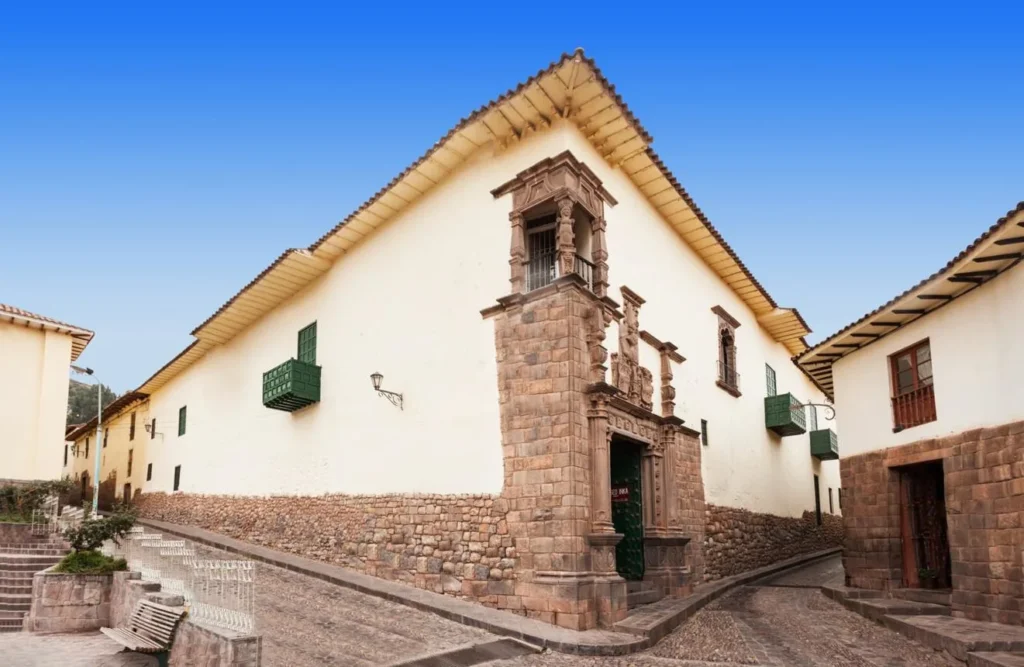
Inca Museum Cusco: An Introduction to Andean Civilization
The Inca Museum in Cusco is an archaeological and historical museum dedicated to the material culture of the Andes, with particular emphasis on the Inca civilization. Its collections help explain how communities farmed, produced textiles, organized religious life, and expressed political authority. Rather than presenting the Inca Empire as an isolated achievement, the museum places it within a much longer history of regional societies and cultural exchange.
For travelers researching things to do in Cusco, this is a useful introductory attraction. Archaeological sites reveal buildings, terraces, and landscapes; museum objects reveal the activities that filled those spaces. A vessel, weaving tool, or ceremonial cup can make an otherwise abstract historical description feel more tangible.
Inka Museum Cusco: Why the Name Has Different Spellings
“Inca” and “Inka” refer to the same civilization in this context. The spelling “Inka” reflects a common approach to representing Quechua words, while “Inca” remains widely used in English and Spanish travel writing. Searches for Inka Museum Cusco, “Inca Museum in Cusco,” and the Spanish name “Museo Inka” generally lead travelers to the same institution.
Inca History Museum Cusco: Who Should Visit?
Travelers searching for an Inca history museum in Cusco will find this stop especially relevant if they enjoy archaeology, traditional craftsmanship, or cultural history. It also suits visitors seeking a quieter activity between outdoor excursions. Families can focus on recognizable objects and visual details, while history enthusiasts can spend longer comparing materials, decorative styles, and evidence of changing beliefs.
History and Collections of the Inca Museum
A Historic Building Within a Layered City
The museum occupies a colonial-era residence commonly known as the Admiral’s House. Its stonework, courtyard, and architectural details form part of the experience, illustrating how colonial Cusco developed within an existing Indigenous urban landscape. The building encourages visitors to consider not only the Inca period but also the transformations that followed Spanish conquest.
The setting should not be mistaken for an intact Inca palace. Its importance lies in the layers of history visible across the property and surrounding neighborhood. Looking at the building alongside the archaeological collections helps distinguish the history of the museum’s location from the much older history represented by its objects.
Inca Culture and History
The Inca Empire expanded rapidly during the fifteenth and early sixteenth centuries, incorporating diverse populations across western South America. Cusco served as its political and ceremonial center. Imperial authority depended on roads, agricultural production, labor obligations, storage systems, religious institutions, and relationships with local communities. Museum collections provide material evidence for understanding these systems without reducing Inca society to warfare or monumental construction alone.
Religion, Reciprocity, and Political Power
Inca political and religious life were closely connected. Ceremonies, offerings, sacred places, and relationships with ancestors helped structure obligations between communities and rulers. Objects associated with feasting, ritual drinking, and burial practices offer entry points into these ideas. Their significance becomes clearer when viewed as tools of social relationships rather than simply attractive or unusual antiquities.
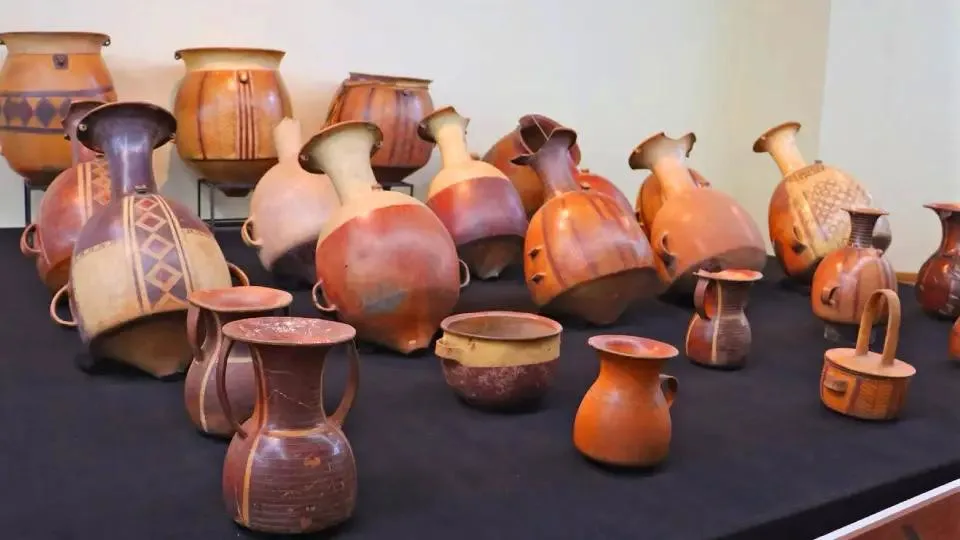
Pre-Inca and Inca Collections
The pre-Inca and Inca collections demonstrate that Andean civilization developed over thousands of years. Earlier societies created sophisticated pottery, weaving traditions, agricultural practices, and ceremonial systems long before imperial expansion from Cusco. Comparing objects across periods reveals both continuity and change: the Incas inherited knowledge, adapted regional practices, and promoted forms associated with their own authority.
Archaeological Objects and Their Context
Archaeological objects can reveal what people ate, how they worked, and how communities marked social distinctions. However, an object’s meaning depends heavily on its context. A vessel found in a burial may have served a different purpose from a similar vessel recovered from a household. Read labels for information about provenance, chronology, materials, and interpretation rather than judging importance by size or decoration.
Ceramics, Textiles and Artifacts
Ceramics, textiles, and other artifacts illustrate the technical skill of Andean makers. Pottery could support cooking, storage, transport, and ceremony, while cloth could communicate identity and status. Stone, bone, shell, and metal objects reveal additional areas of craftsmanship. Together, these collections show that practical function and symbolic meaning frequently overlapped in daily and ceremonial life.
Inca Museum Cusco Tickets and Price
Ticket Options and Admission Categories
Inca Museum Cusco tickets are generally associated with admission purchased at the museum entrance. Different rates may apply according to visitor category, such as international visitors, Peruvian nationals, or eligible students. Do not assume that every category is always available or that a document accepted elsewhere will qualify you for a concession here.
Independent visitors should establish whether their ticket covers only museum entry. Guided interpretation, special activities, and temporary displays may have separate arrangements. Groups should ask about entry procedures in advance, particularly if visiting with a large party or requiring explanations in a specific language.
Entrance Fee and Ticket Price
Commonly reported Inca Museum Cusco entrance fee references are approximately S/20 for international adults and S/10 for Peruvian adults. These figures are useful for preliminary budgeting but are not verified current prices. Student concessions, children’s admission, and other categories should be checked directly rather than inferred from the adult rate.
- International adult admission: Budget around S/20 as a provisional reference.
- Peruvian adult admission: S/10 is a commonly reported reference.
- Reduced admission: Ask about eligibility and required identification.
- Additional services: Confirm whether any requested service costs extra.
Payment and Identification
Carry Peruvian soles in small denominations as a practical backup, since payment facilities can change or experience interruptions. Bring appropriate identification if requesting a resident, national, student, or age-related rate. Before paying, confirm the final amount and keep your ticket available throughout the visit in case staff request it at an internal access point.
Is Admission Included in a Cusco Tourist Ticket?
Do not assume that the museum is included in a broader Cusco tourist ticket. Admission has generally been handled separately from the main multi-site sightseeing ticket. Verify the current arrangement when planning your budget, because having access to archaeological sites or other cultural attractions does not automatically establish admission to this museum.
Inca Museum Cusco Opening Hours
Opening Hours and Weekly Schedule
A frequently published reference for Inca Museum Cusco opening hours is Monday through Friday from 8:00 a.m. to 6:00 p.m. and Saturday from 9:00 a.m. to 4:00 p.m., with Sunday closure. Treat this as a provisional schedule rather than a current guarantee. Holiday observances, maintenance, and institutional activities may affect access.
Check the day’s schedule before setting out, and ask whether the ticket office or final admission closes earlier than the galleries. Arriving shortly before the advertised closing time can leave too little time for the collections, even if entry is still permitted.
Best Time to Visit
The best time to visit the Inca Museum Cusco is often near opening on a weekday, when you may have more space to read labels and examine smaller objects. Group visits can occur at any time, so a quiet experience cannot be guaranteed. Leave some flexibility if you prefer to move around busier rooms and return later.
Visiting During Rainy Weather or Acclimatization
The museum is a useful indoor option during Cusco’s wetter months, broadly November through March. It can also fit into a gentle first full day at altitude, provided you feel well enough to explore. Indoor sightseeing still involves standing, walking, and potentially stairs, so it should not replace rest when you are experiencing altitude-related symptoms.
What to See at the Inca Museum Cusco
Main Collections: Ceramics and Vessel Design
Ceramics are among the most accessible collections because their shapes suggest recognizable activities. Look for differences between vessels designed for pouring, storing, serving, or ceremonial use. Inca pottery often combines carefully organized decoration with distinctive forms. Comparing handles, necks, bases, and painted patterns can reveal more than a quick glance at a display case.
How to Look Closely at Pottery
Choose one vessel and consider how someone would have lifted, filled, carried, and cleaned it. Then examine whether its decoration would have been visible during use. This simple exercise connects design to human behavior and encourages a more thoughtful reading of the collection without requiring specialist archaeological knowledge.
Textiles and the Value of Cloth
Textiles held exceptional importance in Andean societies. Fibers, weaving techniques, patterns, and garment forms could communicate regional affiliation, prestige, and ceremonial significance. Where textiles are displayed, look beyond color to the organization of motifs and the fineness of the work. Cloth could represent substantial labor and skill, making it a valuable social and political resource.
Ceremonial Drinking Vessels
Ceremonial cups, including vessels commonly called qeros or keros, are especially useful for understanding ritual drinking and reciprocal relationships. Their form and decoration can connect feasting with social obligations and political authority. Pay attention to dates: some decorated wooden cups belong to the colonial period and demonstrate how Andean traditions continued and changed after conquest.
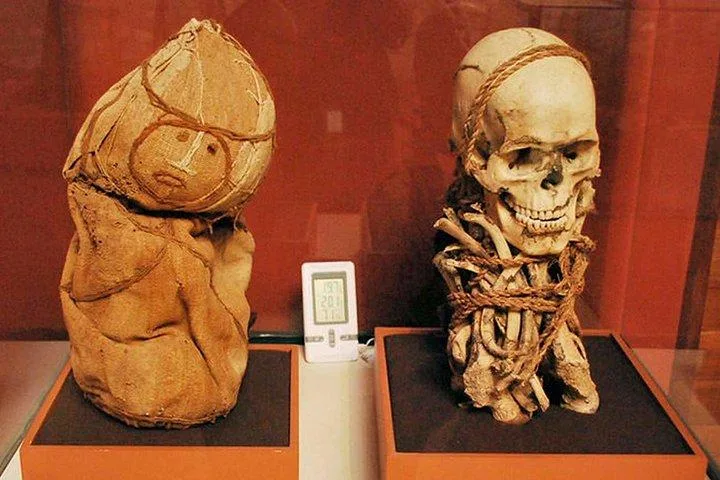
Important Exhibits: Burial Practices and Ancestors
The museum has been known for displays relating to funerary traditions and ancestral remains. Where accessible, these exhibits can help explain why the dead retained social and spiritual importance in many Andean communities. Approach them respectfully, follow photography restrictions, and remember that human remains represent people rather than simply archaeological specimens. Sensitive visitors may prefer to ask staff about these galleries before entering.
Tools, Materials, and Everyday Life
Smaller artifacts can be easy to overlook beside visually striking ceramics or ceremonial displays. Yet tools and worked materials often provide the clearest evidence of daily activity. Consider the knowledge required to select raw materials, shape an object, and maintain it. These details help balance the story of rulers and rituals with the experiences of craftspeople and households.
Museum Highlights: The Courtyard and Architecture
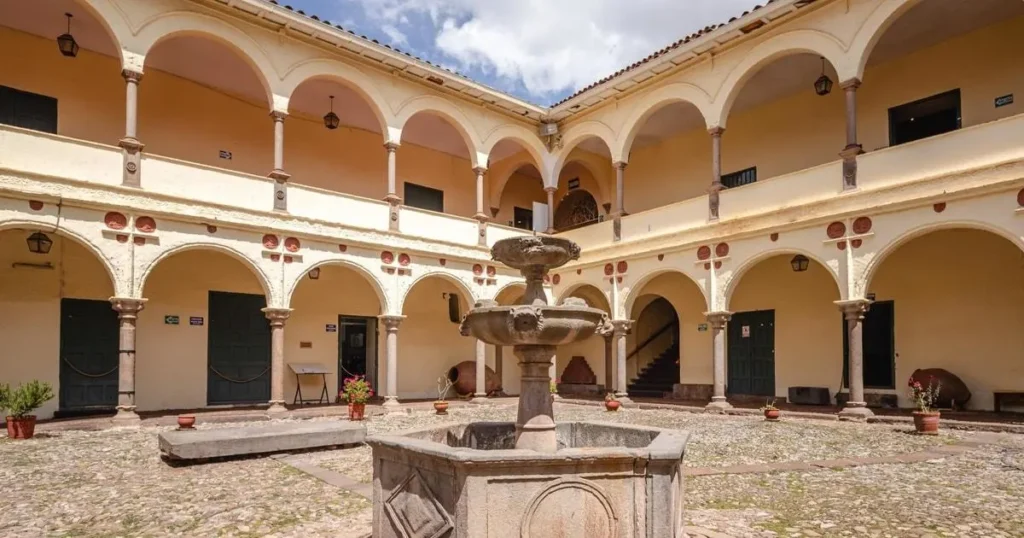
The courtyard provides a change of pace between galleries and offers an opportunity to study the building itself. Examine the relationship between open space, surrounding rooms, stone surfaces, and circulation routes. Architectural details contribute to the museum’s atmosphere, but they also prompt questions about how the residence was used before becoming an exhibition space.
Inca Museum Cusco Photos
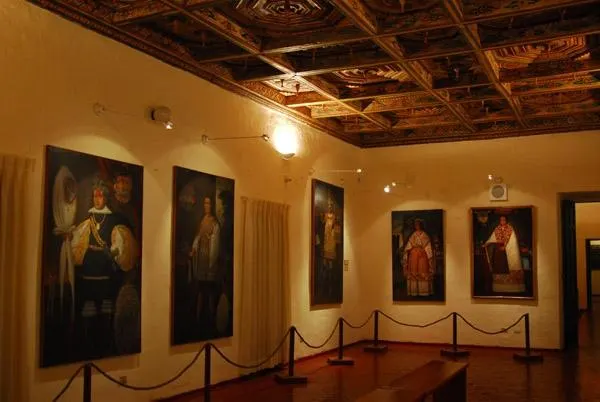
Exterior Photography
Inca Museum Cusco photos often begin with the entrance and surrounding historic streets. Exterior views help communicate the museum’s position within the old city rather than presenting it as an isolated attraction. Take photographs without obstructing doorways, blocking narrow pavements, or stepping into traffic. Softer daylight can make stone textures easier to capture without harsh shadows.
Interior Photography and Courtyard Views
Interior photography depends on the museum’s current rules and may differ between the courtyard and exhibition rooms. Ask before taking pictures, particularly if signs are unclear. Permission to photograph an architectural space does not necessarily extend to nearby collections. If photography is allowed, keep your equipment compact and avoid interrupting other visitors’ access.
Photographing Exhibits and Collections
Do not assume that flash, tripods, video, or close-up photography is permitted. Conservation requirements and respect for sensitive material may justify restrictions even where general photography is allowed. Avoid touching display cases or leaning across barriers to reduce reflections. When photographs are prohibited, brief notes about an object’s date, material, and purpose can preserve a more useful memory than an unauthorized image.
Inca Museum Cusco Reviews and Visitor Experience
What Visitors Can Expect
When considering Inca Museum Cusco reviews, distinguish personal preferences from current operational facts. This is principally a collection-focused museum in a historic building, not an attraction built around immersive entertainment. Visitors who enjoy examining objects and reading contextual information are likely to approach it differently from those seeking extensive interactive displays.
Expect the experience to depend partly on your interest in archaeology and your preferred pace. Exhibition interpretation and language coverage may vary between rooms. If detailed English-language explanations are essential to you, ask what is currently available rather than assuming every label provides equivalent information.
Visit Duration: How Long Does the Museum Take?
A reasonable Inca Museum Cusco visit duration is approximately 60 to 90 minutes. Visitors with a strong interest in archaeology may prefer two hours, especially when reading labels carefully or comparing collections. A shorter visit can cover selected highlights, but it may leave little time to understand the chronological relationship between earlier societies, the Incas, and colonial-era continuity.
Practical Considerations Inside the Museum
A historic setting can involve uneven surfaces, thresholds, stairs, and variations in lighting. Wear comfortable shoes and carry only what you need. Visitors with mobility requirements should ask directly about step-free entry, access to each gallery, seating, and accessible toilets. The existence of an accessible entrance alone does not confirm access throughout the building.
Visiting With Children
Children may engage most readily through observation games: finding animal motifs, comparing vessel shapes, or identifying different materials. Keep explanations short and connect objects to familiar activities such as cooking and clothing. Ask about galleries containing human remains if these could be upsetting, and plan a flexible visit rather than expecting younger visitors to read every display.
Other Museums in Cusco
Archaeology and Regional History Museums
Other museums in Cusco can complement this visit by concentrating on particular archaeological periods, local history, or different types of material culture. When choosing another museum, compare its main focus rather than simply its proximity. Two institutions with similar pottery collections may offer less variety than a combination of archaeology and a museum addressing later urban history.
Art and Colonial-Era Collections
Art-focused museums can help extend the historical narrative beyond the Inca Empire. Painting, sculpture, furnishings, and decorative objects may reveal how Indigenous and European visual traditions interacted under colonial rule. These collections work particularly well after an archaeological museum because they highlight both disruption and continuity across the conquest period.
Living Culture and Textile Displays
Spaces dedicated to weaving and contemporary Andean culture offer another perspective by emphasizing knowledge that continues today. Look for interpretation explaining materials, regional differences, and makers’ techniques. Avoid treating present-day communities as unchanged remnants of the Inca past: living traditions respond to new circumstances while maintaining meaningful connections with inherited practices.
How to Visit the Inca Museum Cusco
Location in Cusco’s Historic Center
The Inca Museum Cusco location is on Cuesta del Almirante, close to the Plaza de Armas in the historic center. Its position makes it convenient to combine with a walk through central streets and squares. Although nearby on a map, the approach can include sloping pavement and uneven stone surfaces, which matter when planning for altitude or limited mobility.
How to Get There
From the main square, most visitors can reach the museum on foot within a few minutes, depending on their starting point and walking pace. If staying farther away, arrange transport toward the historic center and finish on foot where necessary. Vehicle restrictions, narrow streets, and traffic conditions may affect the closest convenient drop-off point.
Recommended Visit Duration and Itinerary
Reserve around 90 minutes for the museum, plus time for arrival and ticket purchase. Begin with the chronological displays, continue through the principal object collections, and leave a few minutes for the courtyard. This sequence helps you connect individual exhibits to the wider historical narrative instead of moving between rooms without context.
- Before arrival: Confirm hours, admission prices, and any access requirements.
- At the entrance: Ask about photography, language support, and temporary closures.
- During the visit: Prioritize context, dates, and materials alongside visual highlights.
- Afterward: Allow an unhurried break before adding another attraction.
What to Bring
Bring your payment method, a cash backup, any identification needed for concessions, and comfortable walking shoes. A light layer is useful because temperatures can vary between streets, courtyards, and galleries. Carry water for the wider outing, but follow restrictions on drinking inside exhibition areas. Large bags and bulky equipment may make narrow spaces less comfortable.
Is the Inca Museum Cusco Worth Visiting?
The Inca Museum Cusco is particularly worthwhile when you want cultural context rather than another scenic stop. Its objects explain aspects of Andean life that monumental ruins alone cannot show. Approach the visit with time, curiosity, and realistic expectations, and it can become a foundation for understanding Cusco’s archaeological landscapes, layered architecture, and enduring cultural traditions.
Leave a Reply