Cusco is one of the most fascinating destinations in Peru, combining ancient Inca heritage, Spanish colonial architecture, traditional Andean culture, archaeological sites, colorful markets, museums, viewpoints, and spectacular mountain scenery. Once the capital of the Inca Empire, the city is now one of the country’s most important cultural and tourism destinations.
The best Cusco points of interest are not limited to one type of attraction. Travelers can explore historic plazas and churches in the city center, discover impressive Inca stonework, visit archaeological complexes on the hills surrounding the city, experience traditional neighborhoods such as San Blas, and enjoy panoramic views of the Andes.
For first-time visitors, the challenge is deciding what to prioritize. Some attractions can be explored on foot, while others require transportation. Some are ideal for a short visit, while others deserve several hours. This guide organizes the major Cusco points of interest by location and type, with practical suggestions for one-day visits, acclimatization days, tours, viewpoints, and unique experiences.
Main Cusco Points of Interest
The main Cusco points of interest are concentrated around the historic center and the archaeological sites immediately surrounding the city. Together, they provide a good introduction to Cusco’s history and culture.
The most important attractions include:
- Plaza de Armas
- Cusco Cathedral
- Qorikancha
- Sacsayhuamán
- San Blas neighborhood
- Twelve-Angled Stone
- Hatun Rumiyoc Street
- San Pedro Market
- Q’enqo
- Puka Pukara
- Tambomachay
- Cristo Blanco
- San Cristóbal viewpoint
- Historic churches
- Museums
- Traditional artisan workshops
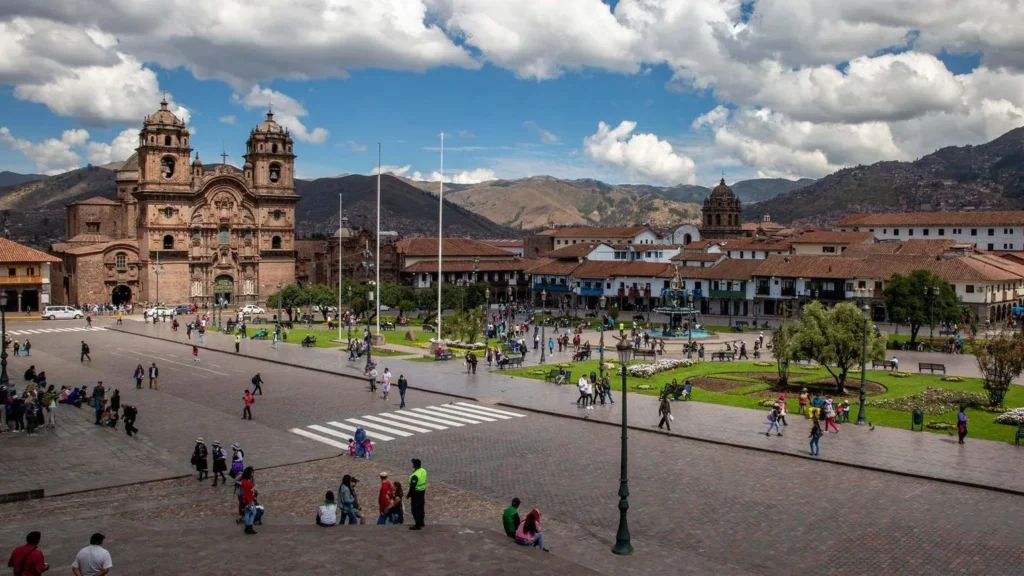
The advantage of visiting Cusco is that several major attractions can be combined into walking routes. The Plaza de Armas, cathedral, colonial streets, Inca walls, Qorikancha, and San Blas can be explored without extensive transportation.
Other attractions, especially Sacsayhuamán and the archaeological sites north of the city, are easier to visit as part of a half-day excursion.
Cusco Cathedral
Cusco Cathedral is one of the most important historic and cultural attractions in the city. Located on the Plaza de Armas, it dominates one of the most famous urban spaces in Peru and contains an important collection of colonial religious art.
The cathedral is particularly interesting because its artwork reflects the development of the Cusco School of Art. European religious traditions were adapted by local artists, creating paintings and artistic styles with distinctly Andean influences.
Inside, visitors can see ornate altars, sculptures, paintings, religious objects, and architectural details. The cathedral also helps explain the transformation of Cusco after the Spanish conquest.
For travelers interested in history and architecture, the cathedral should be included in almost every itinerary. Its central location also makes it easy to combine with Qorikancha, San Blas, Hatun Rumiyoc, and other historic attractions.
Historic and Cultural Attractions
Cusco’s historic and cultural attractions reveal the different civilizations and historical periods that shaped the city. The most fascinating aspect of Cusco is the coexistence of Inca and colonial architecture.
Plaza de Armas
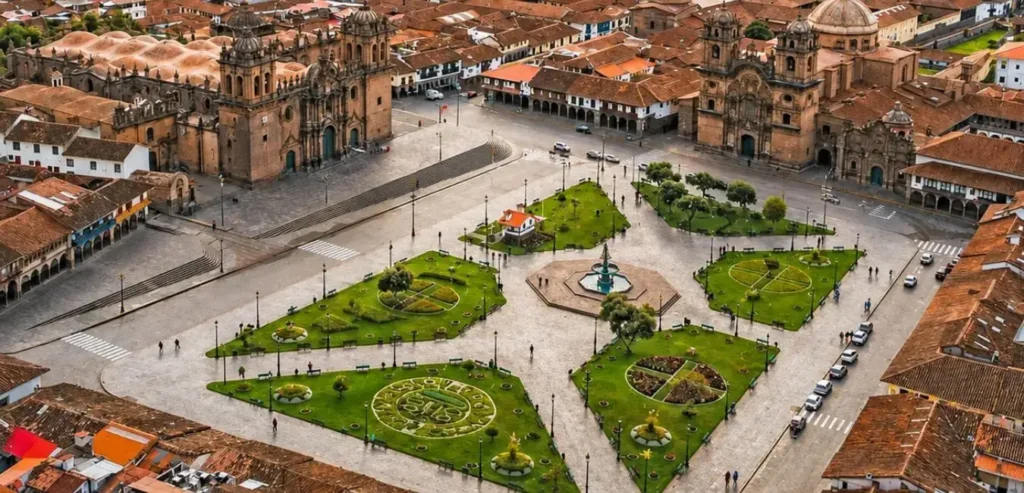
The Plaza de Armas is the center of Cusco’s historic district and one of the best places to begin exploring the city. During the Inca period, this area was an important ceremonial and political space.
Today, the square is surrounded by colonial buildings, churches, arcades, restaurants, hotels, and historic streets. It is also an excellent place to observe everyday life in Cusco.
The plaza changes throughout the day. Mornings are generally quieter, afternoons are busier, and evenings create a different atmosphere as the surrounding buildings become illuminated.
Qorikancha
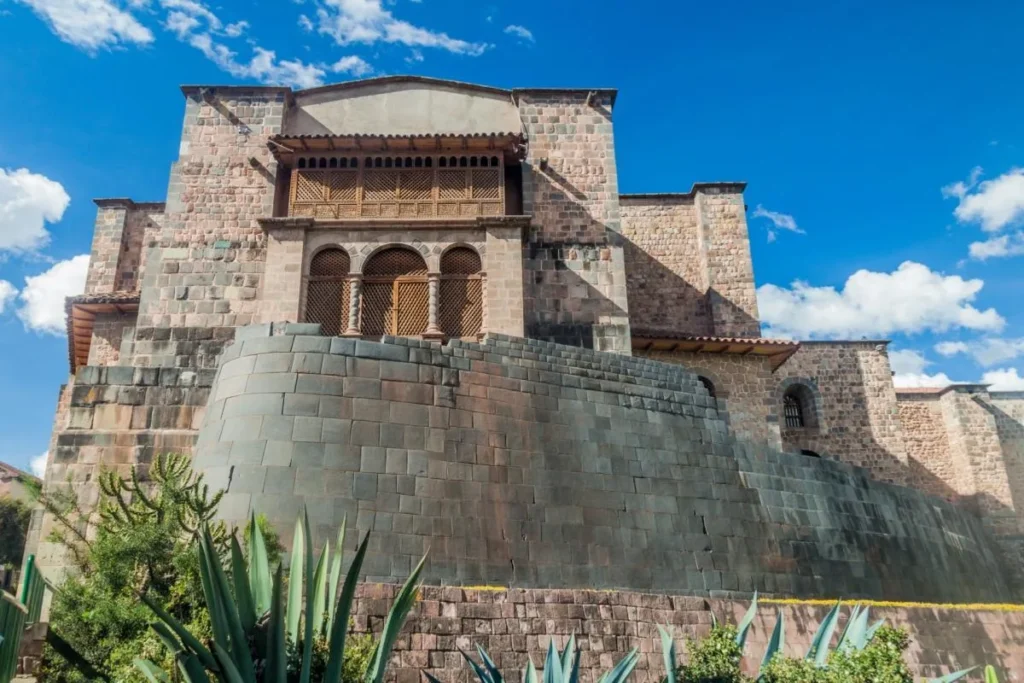
Qorikancha, traditionally known as the Temple of the Sun, was one of the most important religious complexes of the Inca Empire. Its importance can still be appreciated through the extraordinary stonework that survives beneath and alongside the colonial Church of Santo Domingo.
The contrast between the Inca foundations and Spanish colonial construction makes Qorikancha one of the most educational points of interest in Cusco. Visitors can see how two different architectural traditions occupy the same historical space.
Twelve-Angled Stone
The Twelve-Angled Stone is a small but famous example of Inca masonry. It is located on Hatun Rumiyoc Street and forms part of a larger stone wall.
The carefully shaped stone fits precisely among neighboring blocks without traditional mortar. Although the attraction can be visited quickly, the surrounding street is worth exploring because it demonstrates how Inca architecture remains integrated into modern Cusco.
San Blas
San Blas is one of the most atmospheric neighborhoods in Cusco. Its narrow streets, whitewashed buildings, stone walls, artisan workshops, galleries, cafés, and steep paths attract travelers looking for a more relaxed and artistic side of the city.
San Blas is especially enjoyable when explored slowly. Rather than simply visiting the church and viewpoint, spend time walking through the neighborhood and discovering its small plazas, workshops, and local businesses.
Cusco Viewpoints
The city’s dramatic location among the Andes makes Cusco viewpoints some of the most rewarding places to visit. From elevated areas, travelers can see the historic center, surrounding neighborhoods, church towers, and mountains.
San Cristóbal Viewpoint
San Cristóbal is one of the classic viewpoints overlooking Cusco. The location provides a broad view of the historic center and surrounding mountains.
It is especially attractive in the late afternoon when the changing light creates shadows across the city. The viewpoint can also be combined with a visit to the San Cristóbal church.
Cristo Blanco
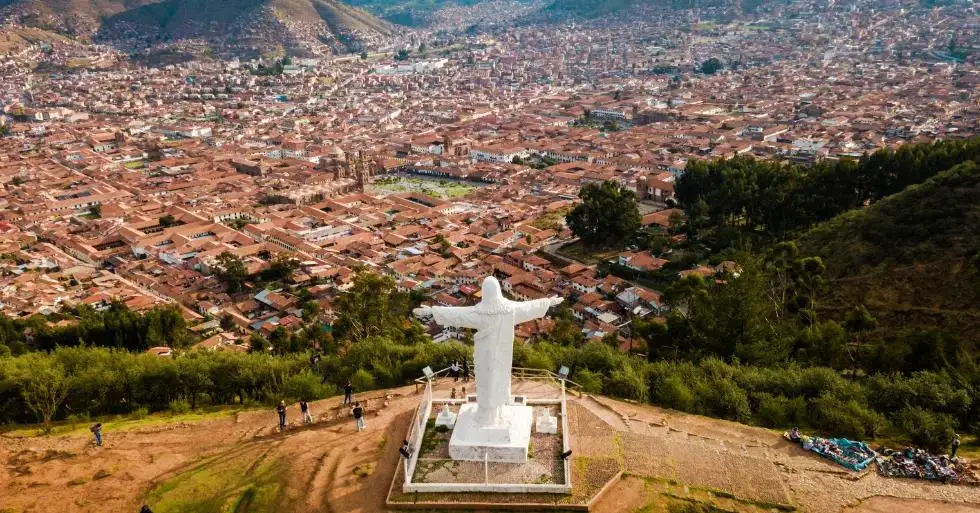
The Cristo Blanco statue stands on a hill above Cusco, close to Sacsayhuamán. The site provides another excellent panoramic view of the city.
Because of its location, Cristo Blanco can be incorporated into an archaeological excursion. Travelers can visit Sacsayhuamán and then stop at the viewpoint before returning to the city center.
San Blas Viewpoints
Several points around San Blas offer attractive views of Cusco. Because the neighborhood is located on a hillside, simply walking through its upper streets can provide interesting perspectives over the city.
Best Time to Visit Cusco Viewpoints
The best time depends on what you want to see. Morning provides clearer light and quieter conditions, while late afternoon is ideal for warm colors and sunset photography.
Other Important Points of Interest
Beyond the famous central attractions, several archaeological sites and cultural locations deserve attention.
Sacsayhuamán
Sacsayhuamán is one of the most spectacular archaeological sites near Cusco. The enormous stone walls are the defining feature, with massive blocks fitted together with extraordinary precision.
The complex is also important because of its position above the city. Visitors can combine archaeology with panoramic views, making it one of the most rewarding excursions close to Cusco.
Q’enqo
Q’enqo is a smaller archaeological complex near Sacsayhuamán. It contains carved rocks, ceremonial structures, and subterranean spaces associated with Inca religious practices.
Because of its proximity to Sacsayhuamán, Q’enqo is often visited on the same excursion.
Puka Pukara
Puka Pukara is an archaeological site positioned on elevated terrain along the route toward Tambomachay. The stone structures and terraces provide views across the surrounding landscape.
Its exact historical purpose has been interpreted in different ways, but its location and architecture make it an interesting stop for travelers exploring the archaeological sites outside the city.
Tambomachay
Tambomachay is closely associated with water. Its channels, fountains, and stone structures demonstrate the importance of water in Inca ceremonial and architectural traditions.
The site is generally quieter than Sacsayhuamán and can be included in the same archaeological circuit.
San Pedro Market
San Pedro Market offers a different kind of cultural experience. Instead of monumental architecture, visitors encounter everyday Cusco life through food, produce, textiles, handicrafts, and local products.
It is a good place to observe traditional ingredients and discover some of the flavors of the Andes.
Top 10 Points of Interest in Cusco
For travelers who want a straightforward shortlist, these are among the top 10 points of interest in Cusco:
1. Plaza de Armas
The historic heart of Cusco and the best starting point for exploring the city.
2. Cusco Cathedral
A major colonial landmark containing important religious art and architecture.
3. Qorikancha
An essential Inca and colonial attraction showcasing the combination of two architectural traditions.
4. Sacsayhuamán
A monumental archaeological complex famous for its enormous stones and panoramic location.
5. San Blas
A traditional and artistic neighborhood known for narrow streets, artisans, cafés, and views.
6. Twelve-Angled Stone
A famous example of the precision of Inca masonry.
7. San Pedro Market
An excellent place to experience local food, ingredients, crafts, and everyday life.
8. Q’enqo
A ceremonial archaeological site near Sacsayhuamán.
9. Cristo Blanco
A hillside statue and viewpoint overlooking Cusco.
10. Tambomachay
An archaeological site associated with water and Inca ceremonial architecture.
These ten attractions offer a balanced introduction to Cusco. Visitors with additional time should add Puka Pukara, museums, colonial churches, and excursions into the Sacred Valley.
Unique Things to Do in Cusco
Not every memorable experience in Cusco involves visiting a major monument. Some of the most unique things to do in Cusco involve experiencing the city at a slower pace and connecting with local culture.
Walk the Ancient Streets
Walking is one of the best ways to discover Cusco. Explore streets around the Plaza de Armas, San Blas, Qorikancha, and San Pedro.
Look closely at walls, balconies, doors, carved stones, and building foundations. Many architectural details are easy to overlook when traveling quickly.
Explore Local Markets
Markets provide an opportunity to see products that are part of everyday life in the Andes. You can discover different varieties of potatoes, grains, fruits, herbs, breads, cheeses, and other regional products.
They are also useful places to find traditional textiles and handicrafts.
Experience Andean Food
Cusco’s culinary scene combines traditional Andean ingredients with contemporary Peruvian cuisine. Travelers can try dishes based on potatoes, corn, quinoa, native grains, alpaca, and other regional products.
Food is an important part of understanding the cultural identity of Cusco.
Visit Artisan Workshops
San Blas has a strong artistic tradition, and visitors can find workshops and galleries featuring ceramics, textiles, paintings, sculptures, and other crafts.
Buying directly from artisans can also provide a more meaningful alternative to mass-produced souvenirs.
Explore Cusco at Night
The historic center takes on a different atmosphere after dark. The Plaza de Armas and surrounding colonial buildings are illuminated, while restaurants and cafés bring the streets to life.
An evening walk can be a relaxing way to end a sightseeing day.
Cusco Points of Interest Map
A Cusco points of interest map can be divided into several practical sightseeing areas. Understanding these zones makes it easier to organize your itinerary.
Historic Center
The central area includes:
- Plaza de Armas
- Cusco Cathedral
- La Compañía de Jesús
- Hatun Rumiyoc
- Twelve-Angled Stone
- Qorikancha
- Museums
- Colonial streets
Most of these attractions can be visited on foot.
San Blas
The San Blas area includes:
- San Blas Church
- San Blas Plaza
- Artisan workshops
- Cafés
- Traditional streets
- Viewpoints
Because it is uphill, walking here can be physically demanding during your first day at high altitude.
Northern Archaeological Circuit
The sites outside the central district include:
- Sacsayhuamán
- Q’enko
- Puka Pukara
- Tambomachay
- Cristo Blanco
These attractions can be combined into a half-day tour.
Day Trips Beyond Cusco
If you expand your map beyond the city, major destinations include:
- Sacred Valley
- Pisac
- Ollantaytambo
- Chinchero
- Maras
- Moray
- Rainbow Mountain
- Palcoyo
These require more time and should generally be planned as separate excursions.
What to See in Cusco in One Day
If you only have one day, it is important not to attempt every attraction. The best strategy is to concentrate on the historic center and one major archaeological excursion.
Morning
Begin at the Plaza de Armas and visit Cusco Cathedral. Walk through Hatun Rumiyoc and see the Twelve-Angled Stone before continuing toward San Blas.
Spend some time exploring the neighborhood before returning toward Qorikancha.
Afternoon
After lunch, visit Qorikancha and then travel to Sacsayhuamán. If your schedule allows, include Q’enko and Cristo Blanco.
This provides a strong overview of Cusco’s Inca, colonial, and modern cultural identity.
Evening
Return to the historic center for dinner. If you still have energy, walk around the Plaza de Armas and surrounding streets after sunset.
A one-day itinerary should prioritize quality over quantity. Seeing five or six important places comfortably is usually better than rushing through ten attractions.
Things to Do in Cusco While Acclimating
Because Cusco sits at approximately 3,400 meters above sea level, the first day can be challenging for travelers arriving from lower elevations. Choosing gentle activities is a good way to begin your visit.
Easy Activities for Your First Day
Good things to do in Cusco while acclimating include:
- Relaxing in the Plaza de Armas
- Visiting Cusco Cathedral
- Walking slowly through the historic center
- Exploring Qorikancha
- Visiting a museum
- Exploring San Pedro Market
- Having lunch in a local restaurant
- Visiting San Blas at a relaxed pace
- Enjoying a viewpoint without a long hike
- Taking an easy evening walk
Avoid planning a strenuous high-altitude trek immediately after arriving if you are not already acclimatized.
Why Acclimatization Matters
Cusco’s elevation means that activities requiring significant climbing or hiking can feel much harder than expected. Walking slowly, drinking enough fluids, resting, and allowing your body to adjust can make the rest of your trip more comfortable.
A relaxed first day can be particularly useful if you plan to undertake the Inca Trail, Rainbow Mountain, Salkantay Trek, or another demanding high-altitude excursion later.
Cusco Points of Interest Tours
Cusco points of interest tours can be organized according to the time available and the attractions you want to prioritize.
Half-Day City Tour
A typical city-focused tour can include:
- Plaza de Armas
- Cusco Cathedral
- Qorikancha
- San Blas
- Hatun Rumiyoc
- Twelve-Angled Stone
This is suitable for travelers who want to focus on the historic center.
Half-Day Archaeological Tour
A circuit outside the city can focus on:
- Sacsayhuamán
- Q’enko
- Puka Pukara
- Tambomachay
- Cristo Blanco
This option is ideal for travelers particularly interested in Inca history and architecture.
Full-Day Cusco Experience
With a full day, visitors can combine the historic center with an archaeological excursion, although the schedule should be carefully planned.
Another option is to dedicate an entire day to a destination outside Cusco, such as the Sacred Valley.
Private vs. Group Tours
A private tour provides greater flexibility, especially for travelers who want to spend more time photographing particular attractions or move at a slower pace because of altitude.
Group tours can be more economical and are convenient for travelers who want a structured itinerary covering the principal attractions.
What Is Cusco Known For?
If you ask what is Cusco known for, the simplest answer is its connection with the Inca Empire and Machu Picchu. But its importance extends far beyond those two associations.
Cusco is known for:
- Being the historic capital of the Inca Empire
- Inca stone architecture
- Sacsayhuamán
- Qorikancha
- Machu Picchu access
- Colonial churches
- Cusco Cathedral
- Andean culture
- Traditional textiles
- San Blas artisans
- Peruvian cuisine
- Sacred Valley access
- Archaeological sites
- Mountain landscapes
- Traditional festivals
The city is particularly remarkable because it remains a living cultural destination rather than simply an archaeological site. Indigenous Andean traditions continue to influence food, clothing, art, celebrations, crafts, and everyday life.
How to Make the Most of Cusco’s Points of Interest
The best way to experience Cusco is to balance famous attractions with time for spontaneous exploration. Major sites such as Sacsayhuamán, Qorikancha, and the cathedral provide historical context, while San Blas, markets, restaurants, and traditional streets reveal the living culture of the city.
If you have only one day, concentrate on the historic center and Sacsayhuamán. With two days, add the surrounding archaeological sites and more time in San Blas. With three or more days, consider a Sacred Valley excursion or another major destination outside the city.
It is also important to plan around the altitude. Your first day does not need to be packed with activities. Visiting museums, walking through the historic center, exploring markets, and enjoying viewpoints at a relaxed pace can be an excellent introduction.
Final Guide to the Best Cusco Points of Interest
The Cusco points of interest offer an extraordinary combination of history, architecture, archaeology, culture, food, and scenery. The city’s most important attractions can be divided into several categories: historic landmarks in the center, Inca archaeological sites, traditional neighborhoods, viewpoints, markets, churches, and cultural attractions.
For first-time visitors, the essential highlights are the Plaza de Armas, Cusco Cathedral, Qorikancha, Sacsayhuamán, San Blas, the Twelve-Angled Stone, and the archaeological sites surrounding the city.
However, Cusco is best experienced without rushing. Take time to walk through its historic streets, examine its ancient stonework, visit a local market, enjoy Andean cuisine, explore artisan neighborhoods, and watch the city from one of its viewpoints.
Cusco is much more than a starting point for Machu Picchu. It is a destination where Inca history, colonial heritage, and contemporary Andean culture come together, making it one of the most rewarding places to explore in Peru.
Leave a Reply