The Cusco City Center is the historic heart of one of Peru’s most fascinating destinations. Built around the former capital of the Inca Empire and transformed during the Spanish colonial period, the center combines ancient stone walls, colonial churches, traditional neighborhoods, museums, plazas, markets, restaurants, and lively streets.
For travelers arriving in Cusco before visiting Machu Picchu, the city center is much more than a convenient place to stay. It is an attraction in itself. Many of the city’s most important landmarks are within walking distance, including the Plaza de Armas, Cusco Cathedral, Qorikancha, the Twelve-Angled Stone, San Blas, and numerous museums and historic churches.
Understanding the layout, altitude, history, attractions, transportation, and practical considerations of the center can help you make the most of your visit. Whether you have one afternoon or several days, this guide explains about Cusco City Center, what to see and do, how to get there, and how to organize your time.
About Cusco City Center
The Cusco City Center generally refers to the historic central area surrounding the Plaza de Armas and extending into neighborhoods such as San Blas, San Pedro, and the area around Qorikancha. This is where travelers find the greatest concentration of historic buildings, archaeological remains, churches, restaurants, hotels, museums, cafés, shops, and cultural attractions.
The center is relatively compact compared with many modern cities. This makes walking one of the best ways to explore it. However, the terrain is not completely flat. Several streets rise toward San Blas and the surrounding hills, and the altitude can make even short walks feel more demanding.
Some of the most important places in the center include:
- Plaza de Armas
- Cusco Cathedral
- Qorikancha
- Church of La Compañía de Jesús
- Twelve-Angled Stone
- Hatun Rumiyoc Street
- San Blas neighborhood
- San Blas Church
- San Pedro Market
- Museo Inka
- Museo de Arte Precolombino
- Avenida El Sol
- Colonial streets and Inca walls
- Numerous historic churches and plazas
The combination of ancient and colonial architecture is what makes the center particularly distinctive. In many places, modern streets run directly beside walls constructed centuries ago.
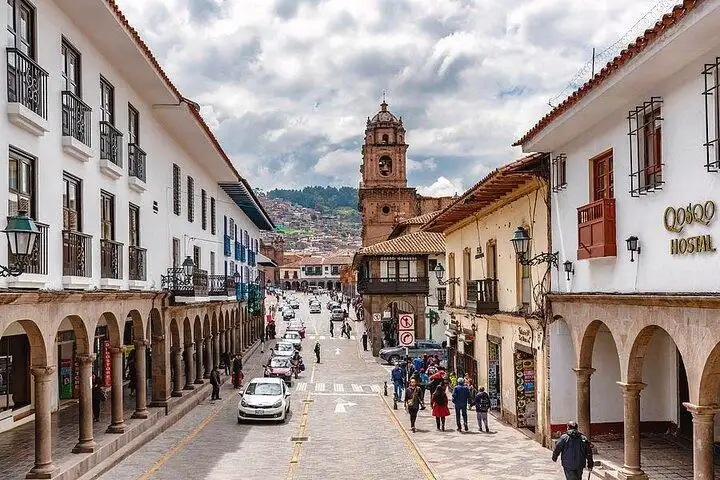
Cusco City Center Peru
The Cusco City Center Peru is the main tourism district of the city and one of the most historically significant urban areas in the country. It is commonly referred to as the historic center or Centro Histórico de Cusco.
At its heart is the Plaza de Armas. From this central point, visitors can walk to many of the city’s principal attractions. The area is also filled with hotels, restaurants, cafés, tour offices, artisan shops, travel agencies, and other services designed for visitors.
For travelers staying in central Cusco, this location is particularly convenient. Many sightseeing activities begin within or near the historic district, and transportation can be arranged for attractions farther from the center.
Cusco Peru City Center Atmosphere
The Cusco Peru city center has a distinctive atmosphere throughout the day. Early mornings tend to be quieter, while the streets become busier as travelers, residents, guides, vendors, and local workers move through the historic district.
Afternoons are generally lively around the Plaza de Armas and major attractions. In the evening, the illuminated churches and colonial buildings create an attractive setting for dinner and an evening walk.
The center is also where travelers can observe the contrast between tourism and everyday life. Traditional markets, local businesses, modern restaurants, historic buildings, and Andean cultural traditions all coexist within a relatively small area.
History of Cusco City Center
The history of Cusco City Center extends back many centuries and is closely connected with the development of the Inca Empire. Cusco became the political and cultural center of the Inca state, and its urban design reflected the importance of the imperial capital.
The original Inca city was organized around important ceremonial and administrative spaces. Stone construction was highly sophisticated, and many buildings incorporated enormous blocks fitted together with remarkable precision.
After the Spanish conquest, the city was dramatically transformed. Colonial churches, mansions, plazas, and administrative buildings were constructed, frequently incorporating existing Inca foundations and walls.
This created the distinctive architectural layering visible today.
The Inca City
During the Inca period, Cusco was much more than a regional settlement. It was the center of an empire that extended across large parts of western South America.
Important religious and political structures occupied the city, including Qorikancha, the Temple of the Sun. The city’s stonework demonstrated the engineering capabilities of the Inca civilization.
Although much of the original urban landscape was altered after the conquest, surviving walls provide evidence of the sophistication of the ancient city.
The Colonial Transformation
The Spanish transformed Cusco’s architecture while retaining many elements of the existing urban structure. Churches were constructed over or alongside former Inca temples, and colonial residences were built using existing foundations.
The result is one of the most unusual cityscapes in Peru. A traveler can walk through a colonial street and suddenly encounter an unmistakable Inca wall.
Modern Historic Cusco
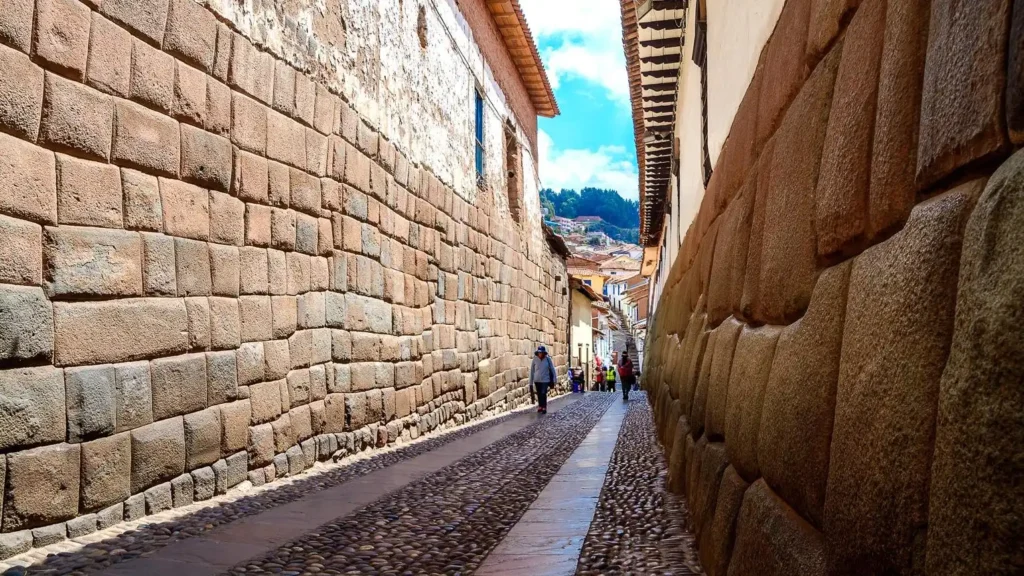
Today, the center preserves this combination of architectural periods while functioning as a modern tourism and cultural district.
Restaurants, hotels, cafés, museums, artisan stores, and transportation services operate among buildings and streets with centuries of history.
This is one of the reasons the center should be considered a destination in its own right rather than simply a convenient base for visiting Machu Picchu.
Cusco Historic City Center: Main Attractions
The Cusco historic city center contains a remarkable concentration of attractions. Many can be explored on foot, making the district particularly convenient for independent travelers.
Plaza de Armas
The Plaza de Armas is the central gathering place of Cusco and the ideal starting point for exploring the historic district.
The square is surrounded by colonial arcades, churches, restaurants, and historic buildings. During the Inca period, this area also played an important role in the city’s ceremonial life.
Spend some time simply observing the architecture and activity around the square before beginning your walking route.
Cusco Cathedral
Cusco Cathedral is one of the most important religious landmarks in the city. Located directly on the Plaza de Armas, it contains an extensive collection of colonial religious art.
Its interior includes paintings, sculptures, altars, and decorative elements associated with the development of the Cusco School of Art.
The cathedral is particularly valuable for understanding the cultural changes that took place after the Spanish arrival.
Church of La Compañía de Jesús
The Church of La Compañía stands on one side of the Plaza de Armas and is recognized for its elaborate Baroque architecture.
Its ornate facade contrasts strongly with the more monumental stonework of the Inca structures elsewhere in the city.
Qorikancha
Qorikancha was one of the most important religious complexes of the Inca Empire. Its original function was closely associated with the worship of the Sun.
The colonial Church of Santo Domingo was constructed over the complex, creating one of the clearest examples of architectural layering in Cusco.
Twelve-Angled Stone
The Twelve-Angled Stone is a famous example of Inca masonry. Located on Hatun Rumiyoc Street, it forms part of a carefully fitted stone wall.
Although the stone itself is relatively small compared with other attractions, it demonstrates the precision of Inca construction and is an easy stop during a walking tour.
Things to Do and See in Cusco City Center
There are many things to do and see in Cusco City Center, and not all require entrance tickets or organized tours. Walking around the historic streets can be an attraction in itself.
Walk Through the Historic Streets
A walking tour is one of the best ways to appreciate the center. Start at the Plaza de Armas and continue toward Hatun Rumiyoc, San Blas, Qorikancha, and San Pedro.
Look for:
- Inca stone walls
- Colonial balconies
- Historic doorways
- Churches
- Small plazas
- Traditional courtyards
- Artisan workshops
- Street markets
- Local restaurants
- Mountain views
Visit Local Markets
San Pedro Market is one of the best-known markets near the center. It offers food, fruits, vegetables, grains, traditional ingredients, textiles, crafts, and prepared dishes.
Markets provide an opportunity to observe everyday life rather than focusing exclusively on monuments.
Explore San Blas
San Blas is located uphill from the central Plaza de Armas. It is known for its artistic atmosphere, narrow streets, artisan workshops, cafés, and traditional architecture.
The neighborhood is particularly enjoyable for travelers who want to slow down and explore without following a strict sightseeing schedule.
Visit Museums
Cusco has several museums covering archaeology, Inca history, colonial art, pre-Columbian cultures, and traditional Andean heritage.
Museums can be especially useful during rainy periods or when you want a quieter activity after spending several hours walking.
Try Traditional Food
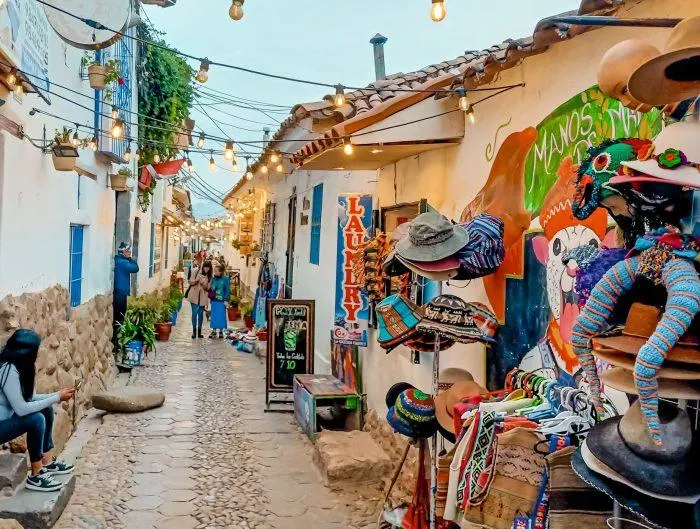
The center contains restaurants offering both contemporary Peruvian cuisine and traditional Andean dishes.
Travelers can sample regional ingredients such as native potatoes, corn, quinoa, Andean herbs, and other products associated with highland cuisine.
Historic Sites in Cusco City Center
The historic district contains numerous sites that demonstrate the city’s Inca and colonial heritage.
Inca Walls
Inca walls are among the most important historical features of the center. Their carefully fitted stones demonstrate sophisticated construction techniques.
Some walls are enormous, while others form the foundations of colonial buildings. The ability to see these structures integrated into the modern city makes Cusco unusual among major South American destinations.
Hatun Rumiyoc Street
Hatun Rumiyoc connects the historic center with San Blas and is one of the best streets for seeing Inca masonry.
The Twelve-Angled Stone is its most famous feature, but the surrounding wall deserves equal attention.
San Blas Church
The small San Blas Church is associated with the traditional artisan neighborhood of the same name. Its location provides an excellent reason to explore beyond the Plaza de Armas.
Colonial Mansions
Numerous historic residences around the center feature carved stone entrances, balconies, courtyards, and other architectural details.
Some are now hotels, restaurants, museums, or commercial buildings, but their historic character remains visible.
Cultural Experiences in Cusco City Center
The center is not simply a collection of monuments. It is a living cultural environment where travelers can experience aspects of contemporary Andean life.
Artisan Culture
Cusco has a strong tradition of textiles, ceramics, paintings, jewelry, woodwork, and other crafts.
San Blas is particularly associated with artisans, making it a good neighborhood for discovering workshops and galleries.
Traditional Markets
Markets provide insight into local food and commerce. Visitors can see products that are rarely encountered in conventional tourist stores.
Andean Festivals
Throughout the year, Cusco hosts cultural and religious celebrations that combine Andean and Catholic traditions.
Depending on when you visit, you may encounter processions, music, dance, traditional costumes, and public celebrations in or around the historic center.
Peruvian Cuisine
Food is another important cultural experience. The city offers everything from traditional Andean dishes to modern interpretations of Peruvian cuisine.
Trying local ingredients is a simple way to make your visit more culturally meaningful.
Cusco City Center Map and Location
Understanding the Cusco City Center map and location makes sightseeing much easier.
The historic district is centered around the Plaza de Armas. From there, attractions extend in several directions.
Central Plaza Area
The Plaza de Armas provides access to:
- Cusco Cathedral
- La Compañía de Jesús
- Portal de Panes
- Portal de Carrizos
- Surrounding colonial streets
- Restaurants and cafés
Qorikancha and Avenida El Sol
South and southeast of the Plaza de Armas, visitors can reach Qorikancha and Avenida El Sol. This area provides a transition between the most historic section of the city and more modern commercial streets.
San Blas
San Blas lies uphill northeast of the Plaza de Armas. The walk is relatively short but steep in places.
The neighborhood contains:
- San Blas Church
- Artisan workshops
- Cafés
- Restaurants
- Traditional streets
- Viewpoints
San Pedro
San Pedro lies southwest of the central square. The area is known particularly for San Pedro Market and provides access to other local neighborhoods beyond the main tourist core.
A map is useful for planning, but the compact nature of the historic center means that walking remains one of the easiest ways to explore.
Cusco City Center Altitude
The Cusco City Center altitude is approximately 3,400 meters above sea level, or around 11,150 feet. This elevation is one of the most important practical considerations for visitors.
Travelers arriving from sea level or other low-altitude destinations may notice shortness of breath, tiredness, headaches, or other symptoms during their first hours or days.
How to Adjust to the Altitude
During your first day:
- Walk slowly
- Avoid strenuous exercise
- Drink fluids
- Rest when necessary
- Eat light meals if preferred
- Avoid overloading your schedule
- Allow your body time to adjust
A relaxed exploration of the city center can be an excellent way to begin a Cusco trip.
Why the City Center Is Good for Acclimatization
The center provides many low-intensity activities. You can visit a museum, explore the Plaza de Armas, sit in a café, walk short distances, or visit a nearby church without committing to a strenuous hike.
This makes it practical for travelers who plan to undertake the Inca Trail, Rainbow Mountain, Salkantay Trek, or other high-altitude activities later.
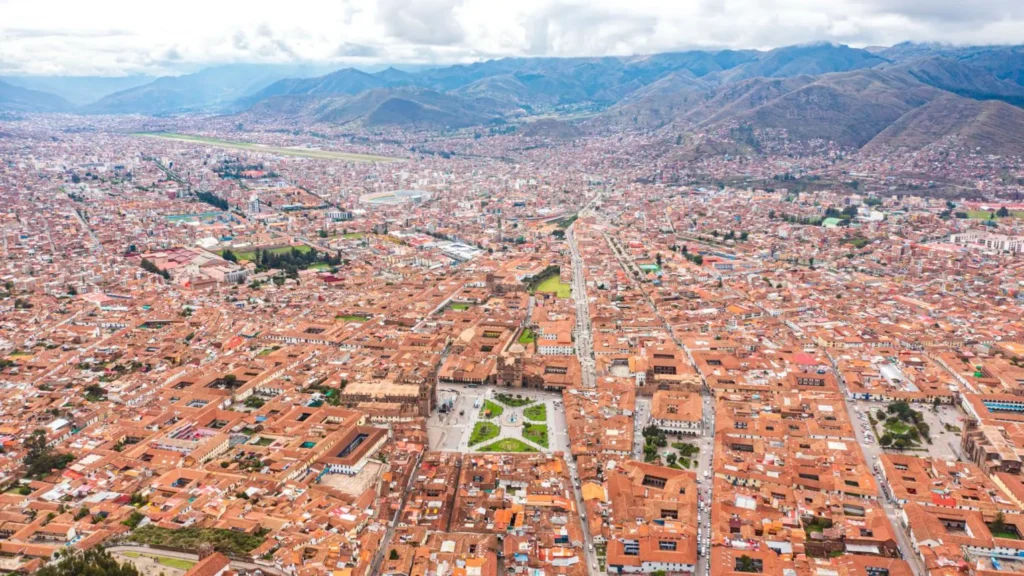
How to Get from Cusco Airport to the City Center
Knowing how to get from Cusco Airport to the city center is useful because the airport is located outside the historic core, but the journey is relatively straightforward.
Taxi
A taxi is one of the most convenient options, particularly if you have luggage or are traveling with several people. Official or reputable taxi services are preferable to accepting unsolicited offers.
Private Transfer
A prearranged private transfer can be convenient for travelers arriving for a tour, especially when someone is meeting you with a name sign and taking you directly to your hotel.
This can reduce confusion after a long flight and is particularly useful for travelers visiting Cusco for the first time.
Public Transportation
Local buses are available in the wider city, but they may be less convenient for visitors carrying luggage and unfamiliar with the city’s routes.
For most international or first-time travelers, a taxi or arranged transfer is simpler.
Distance and Travel Time
The distance and travel time between Cusco Airport and the historic center can vary depending on the exact hotel, traffic, and road conditions.
The airport is relatively close to the central area, and the journey commonly takes roughly 15 to 30 minutes by road. During busy traffic periods, it can take longer.
Hotels located around the Plaza de Armas generally provide convenient access to the main attractions once you arrive.
Cusco City Center Tours
Cusco City Center tours range from short walking tours to full-day combinations of the historic district and nearby archaeological sites.
Walking Tours
Walking tours are ideal for discovering the central landmarks at a relaxed pace. A typical route can include:
- Plaza de Armas
- Cusco Cathedral
- Qorikancha
- Hatun Rumiyoc
- Twelve-Angled Stone
- San Blas
- Historic streets
A guide can add historical context that is difficult to obtain simply by looking at the architecture.
City and Archaeological Tours
A broader tour can combine the historic center with sites outside the city, especially Sacsayhuamán, Q’enko, Puka Pukara, and Tambomachay.
This is a good option for travelers with limited time who want to see both the colonial center and major Inca archaeological sites.
Private Tours
Private tours allow travelers to control the pace and spend more time at attractions that interest them most. They can also be useful for families, photographers, older travelers, or visitors who need additional flexibility because of altitude.
Self-Guided Exploration
Because many attractions are close together, independent travelers can easily create their own walking route. A map and a little preparation are usually enough to navigate the main historic center.
Is Cusco City Center Safe?
For most visitors, the Cusco City Center is a busy tourism district with many hotels, restaurants, shops, and services. As in any popular destination, travelers should use normal precautions, particularly in crowded areas and at night.
Basic Safety Tips
- Keep valuable belongings secure.
- Be aware of your surroundings in crowded areas.
- Use reputable transportation.
- Avoid displaying large amounts of cash.
- Keep phones and cameras secure in busy markets.
- Stay on well-used streets at night.
- Confirm taxi arrangements before entering a vehicle.
- Keep important travel documents in a secure place.
The historic center is generally active well into the evening, particularly around the Plaza de Armas and restaurant areas. Nevertheless, travelers should use common sense and avoid unnecessarily isolated streets late at night.
Best Time to Explore Cusco City Center
The center can be visited throughout the year, but the experience varies according to weather and tourism levels.
Early morning is ideal for quiet streets and photography. Midday is generally busier, while late afternoon provides attractive light for architecture and viewpoints.
Rainy periods can still offer excellent experiences, especially if you combine outdoor sightseeing with museums, churches, markets, restaurants, and cafés.
One-Day Cusco City Center Itinerary
If you have only one day, you can experience many of the major attractions without leaving the central district.
Morning
Start at the Plaza de Armas and visit Cusco Cathedral. Walk through Hatun Rumiyoc and see the Twelve-Angled Stone.
Continue toward San Blas and explore its streets.
Afternoon
Return toward Qorikancha and visit the Temple of the Sun complex. After lunch, explore a museum or visit San Pedro Market.
Evening
Return to the Plaza de Armas for dinner. Finish with an evening walk around the illuminated historic center.
If you are comfortable with the altitude and have additional time, Sacsayhuamán can be added, although it is better treated as a separate excursion if you want to explore the center without rushing.
Two or Three Days in Cusco
With two days, dedicate one day to the city center and another to the archaeological attractions around Cusco.
A possible plan is:
Day 1
- Plaza de Armas
- Cusco Cathedral
- Hatun Rumiyoc
- San Blas
- Qorikancha
- Local market
- Museum
Day 2
- Sacsayhuamán
- Q’enko
- Puka Pukara
- Tambomachay
- Cristo Blanco
With three days, you can dedicate the third day to the Sacred Valley or another major excursion.
Why Visit Cusco City Center?
The Cusco City Center is worth exploring because it brings together several layers of Peruvian history in one compact area.
You can see:
- Inca architecture
- Spanish colonial buildings
- Historic churches
- Traditional Andean culture
- Museums
- Markets
- Artisan workshops
- Local cuisine
- Modern tourism services
- Mountain scenery
Few destinations provide such a direct visual connection between an ancient civilization and a modern city.
Final Cusco City Center Travel Guide
The Cusco City Center is one of the most rewarding areas to explore in Peru. Its importance comes from the extraordinary combination of Inca history, colonial architecture, living Andean traditions, and modern tourism.
The Plaza de Armas is the natural starting point, with Cusco Cathedral and La Compañía providing impressive examples of colonial architecture. From there, travelers can explore Qorikancha, Hatun Rumiyoc, the Twelve-Angled Stone, San Blas, San Pedro Market, museums, and countless historic streets.
The city’s altitude should be considered when planning your first day. Rather than immediately undertaking strenuous activities, use the center for relaxed sightseeing and acclimatization.
Transportation is straightforward, with taxis and private transfers providing convenient connections between the airport and central hotels. Once you arrive, many attractions can be reached on foot.
Most importantly, don’t treat the center as merely a stop before Machu Picchu. The Cusco historic city center is itself a major destination, where ancient Inca stonework, colonial architecture, traditional markets, Andean culture, and contemporary Peruvian life exist side by side. A thoughtful visit of two or three days can reveal far more than simply checking off the most famous landmarks.
Leave a Reply