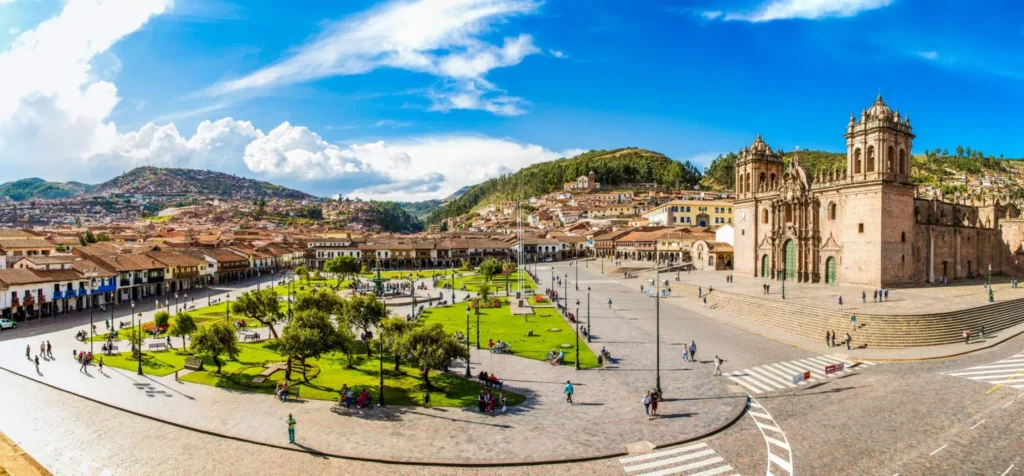
The best things to do in Cusco combine Inca archaeology, colonial architecture, Andean food and everyday neighborhood life. Once the capital of the Inca Empire, this high-altitude city rewards both sightseeing and unhurried exploration. Ancient stone walls support later buildings, steep streets open onto mountain views, and markets introduce ingredients grown across the surrounding region. Whether you want major landmarks, free activities or family-friendly experiences, Cusco offers much more than a stop before Machu Picchu.
This guide groups Cusco attractions by location, travel style and available time, making it easier to build a realistic itinerary. You will find ideas for exploring the historic center, visiting archaeological sites, planning evenings and choosing gentle activities while adjusting to the altitude. Opening hours, entry arrangements and event schedules can change, so confirm practical details locally before setting out.
Top Things to Do in Cusco
Explore Plaza de Armas
Plaza de Armas is the natural starting point for Cusco sightseeing. Surrounded by arcades, churches and hillside views, the main square introduces the city’s layered history and remains an important gathering place. Walk around its edges, pause beside the gardens and compare the architectural details on each side. Early mornings generally suit photography and quieter observation, while late afternoons bring changing light and a livelier atmosphere. It is also a convenient landmark for orienting yourself before exploring nearby streets.
Visit Cusco Cathedral
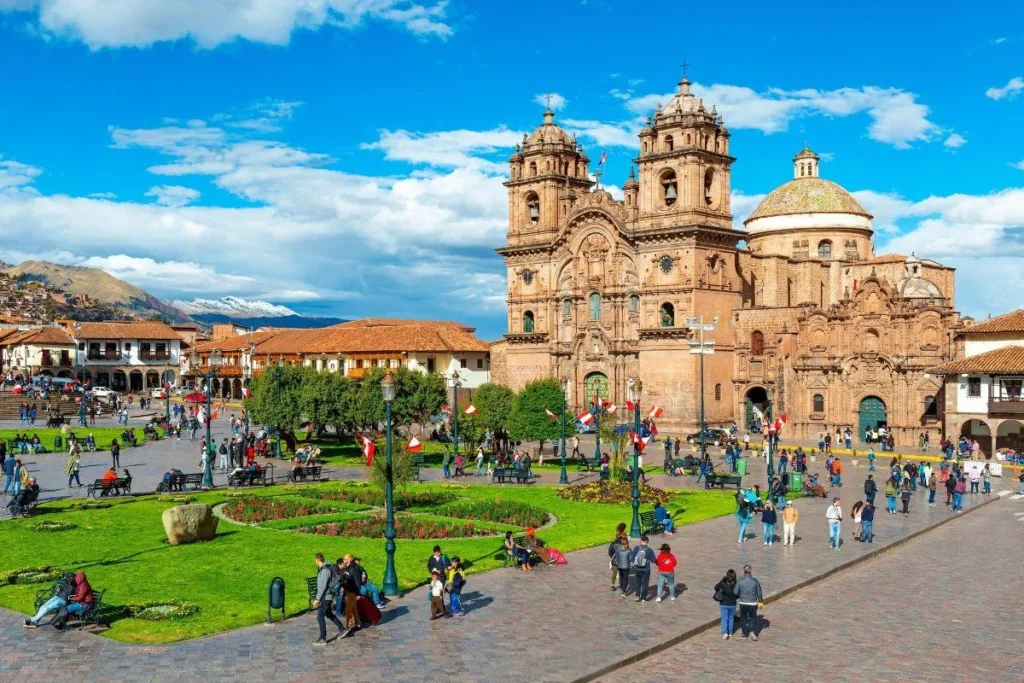
Overlooking Plaza de Armas, Cusco Cathedral is one of the city’s most significant religious and artistic landmarks. Its interiors contain carved woodwork, silverwork and paintings associated with the local colonial artistic tradition. Visiting adds context to the transformation of Cusco after the Spanish conquest and the interaction between European religious imagery and Andean perspectives. Allow time to look beyond the main architectural features. Admission conditions, photography restrictions and access during services should be checked before entering.
Discover Qorikancha and Its Inca Stonework
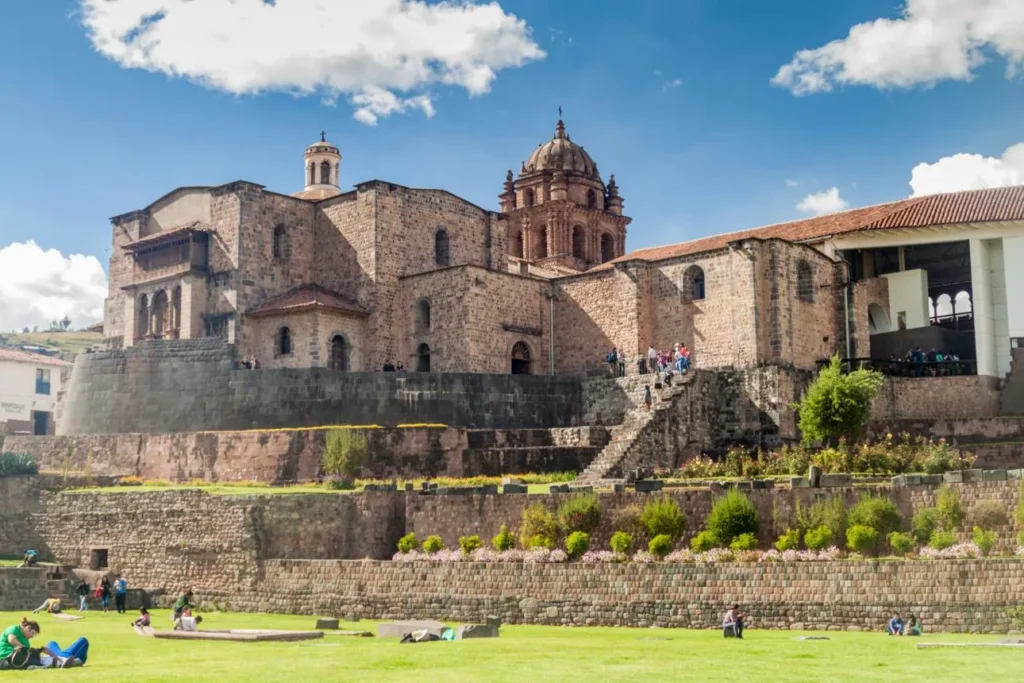
Qorikancha, also spelled Coricancha, was among the most important sacred complexes of the Inca world. Today, surviving Inca walls sit within a later religious complex, making it an especially revealing place to understand Cusco’s architectural layers. The precision of the stonework, restrained surfaces and carefully formed openings deserve close attention. A visit works particularly well before exploring larger archaeological sites because it introduces construction methods and religious ideas that recur throughout the region.
See Sacsayhuamán Above the City
Sacsayhuamán is one of the most impressive archaeological sites near Cusco, known for monumental stone walls assembled from enormous, carefully fitted blocks. Its elevated setting also provides broad views across the city and surrounding mountains. Although it appears close on a map, the uphill approach can feel demanding at altitude. Consider transport to the entrance rather than climbing directly from the center, especially early in your stay. Uneven ground, strong sunshine and exposed sections make comfortable shoes and sun protection essential.
Combine Nearby Archaeological Sites Carefully
Qenqo, Puka Pukara and Tambomachay are often grouped with Sacsayhuamán because they lie along the same general route outside central Cusco. Together, they reveal different aspects of ceremonial architecture, landscape planning and water management. However, seeing every site in one outing is not necessary. Choose a shorter circuit if you prefer deeper exploration or are still adjusting to elevation. Check which attractions share a sightseeing ticket, since religious buildings and museums may require separate admission.
Things to Do in Cusco City Center
Walk Through San Blas
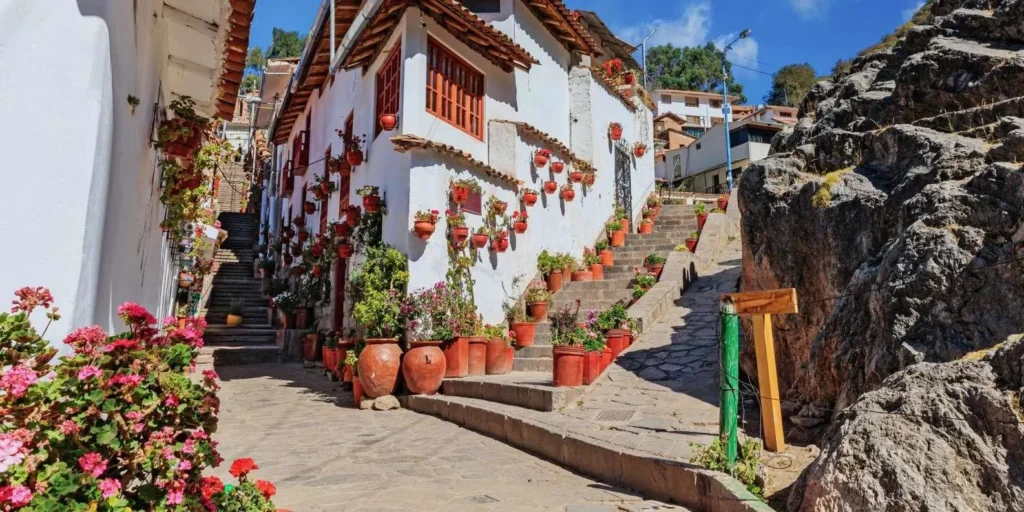
San Blas is a hillside neighborhood known for narrow lanes, workshops and attractive views between buildings. It is one of the best places to explore Cusco on foot when you want to move beyond the main square. Browse locally made crafts, notice carved doorways and pause in small open spaces along the way. The neighborhood’s charm comes partly from its irregular streets, but those same streets involve slopes and steps. Visit slowly and avoid turning the walk into an endurance test.
Find the Twelve-Angled Stone on Hatun Rumiyoc
The Twelve-Angled Stone is a celebrated example of Inca masonry, located within a wall along Hatun Rumiyoc. Its fame comes from the complex shape and close fit with neighboring stones, but the surrounding wall is equally worth examining. Look at the changing block sizes and how the joints form a continuous surface. This is a quick, central stop that fits naturally into a walk toward San Blas. Avoid touching the stone or blocking the narrow pedestrian passage while taking photographs.
Experience San Pedro Market
San Pedro Market introduces the ingredients, colors and routines of daily life in Cusco. Stalls sell produce, grains, bread, flowers and prepared food, making it a rewarding place for travelers interested in Andean cuisine. Explore respectfully rather than treating the market solely as a photo opportunity. Ask before photographing vendors, keep valuables secure and choose freshly cooked food served hot if you decide to eat. A gentle market visit can also work well during an otherwise relaxed first day.
Explore Plazas and Historic Streets Beyond the Main Square
Smaller plazas and streets around the historic center offer a different perspective from Cusco’s headline attractions. Areas around Plaza Regocijo and Plaza San Francisco invite slower wandering, with benches, façades and everyday activity providing plenty to observe. Connect these spaces into a manageable walking route instead of repeatedly crossing the city. Carry a light layer because temperatures can shift quickly when clouds arrive or the sun disappears behind buildings. Even a short walk can reveal unexpected courtyards and architectural details.
Unique and Fun Things to Do in Cusco
Take an Andean Cooking Class
A cooking class offers a hands-on introduction to Peruvian food and the ingredients used in the Cusco region. Depending on the format, you may learn about native potatoes, quinoa, corn varieties or traditional cooking techniques before preparing a meal. Look for a session that explains ingredient origins and accommodates dietary needs. Market visits can add context, but they also increase walking time. If you are acclimating, choose a shorter class with seating and avoid making alcohol tasting the focus of the experience.
Join a Textile or Craft Workshop
Learning about Andean textiles can make a visit to Cusco more meaningful than simply shopping for souvenirs. A well-designed workshop may explain fiber preparation, natural dyes, weaving techniques and the cultural significance of patterns. Other creative activities include pottery, drawing or jewelry-making. Ask what participants actually make, how long the session lasts and whether materials are included. Prioritize experiences where craftspeople explain their own work and where purchases or participation support the makers directly.
Photograph Cusco’s Details and Viewpoints
Photography is one of the most flexible activities in Cusco because you can adapt it to your energy level and interests. Focus on stone joints, doorways, rooflines and changing mountain light rather than trying to reach every viewpoint. San Blas and other elevated areas offer attractive perspectives, but steep approaches are better saved for after acclimatization. Ask permission before photographing people, especially children, and agree on any expected payment beforehand when someone poses specifically for visitors.
Explore the Sacred Valley on a Day Trip

The Sacred Valley is a rewarding extension of a Cusco itinerary, with archaeological sites, agricultural landscapes and communities that offer a different rhythm from the city. Popular places include Pisac, Ollantaytambo, Chinchero, Moray and the salt pans near Maras. These are spread across a large area, so a selective route is usually more enjoyable than a rushed checklist. Some valley towns sit lower than Cusco, but routes and stops vary in elevation; a day trip is not automatically an easy acclimatization outing.
Distinguish Machu Picchu from Other Cusco Excursions
Machu Picchu is often the centerpiece of a trip to the region, but it is not a casual city-center excursion. Reaching it involves coordinated transport and timed entry, and an overnight stay nearer the site can make the journey less exhausting. High-altitude hiking excursions, including Rainbow Mountain routes, require a different kind of preparation and should not be scheduled immediately after arrival. Choose outings according to altitude, travel time and physical demands rather than popularity alone.
Free Things to Do in Cusco
Create a Self-Guided Historic Walking Route
Many of the best free things to do in Cusco involve exploring public streets and squares. Start at Plaza de Armas, continue toward Hatun Rumiyoc and return through quieter lanes or nearby plazas. You can appreciate Inca masonry, colonial façades and mountain-backed streets without paying admission. Keep the route short enough to enjoy the details, especially during your first days. Entering churches, museums and archaeological attractions is a separate matter, and access should not be assumed to be free.
Browse Markets and Watch Everyday City Life
Walking through public markets and observing activity in the main squares can be rewarding without a substantial budget. You might see flower deliveries, food shopping or preparations for a celebration, depending on the day. Remember that these are working spaces rather than staged attractions. Stay clear of busy stalls, ask permission for photographs and avoid obstructing vendors. Buying a small item is optional, but respectful interaction matters whether or not you spend money.
Look for Public Celebrations and Outdoor Events
Cusco’s calendar includes religious processions, civic occasions and cultural celebrations that sometimes bring music, dance and elaborate dress into public spaces. Dates, access and crowd levels vary, and some associated performances require tickets. Ask about the current local calendar rather than assuming an event happens every week. Large gatherings can also cause traffic changes and restricted access around central streets. Keep valuables close, follow local directions and give participants room to move.
Things to Do in Cusco with Kids
Plan Short Outings with Frequent Breaks
Cusco with kids works best when the itinerary alternates brief sightseeing with rest, snacks and open space. A square, a market visit and one manageable attraction may be enough for a satisfying day. Turn architectural details into a simple observation game, asking children to spot unusual stones, balconies or animal shapes in artwork. Strollers can be awkward on cobblestones and stairs, so plan routes carefully. Children can also develop altitude illness, and unusual tiredness, irritability or poor appetite should not be dismissed.
Choose Hands-On Family Activities
Age-appropriate cooking, chocolate-making or craft sessions can give children an engaging alternative to repeated historical visits. Confirm minimum ages, session length, food-allergy arrangements and whether an adult must participate. The best family activities allow children to make something while explaining its connection to local ingredients or traditions. Avoid scheduling several structured sessions back to back. A relaxed lunch and time to rest often improve the experience more than adding another attraction.
Visit Archaeological Sites at a Child-Friendly Pace
Older children may enjoy Sacsayhuamán’s enormous stones and open surroundings, particularly when the visit includes simple explanations about construction and Inca history. Keep everyone away from unstable edges, respect barriers and do not allow climbing on protected walls. Bring water, sun protection and warm layers because exposed sites can become uncomfortable quickly. For families with younger children, transport to the site and a shorter visit are often preferable to a steep uphill walk from the center.
Things to Do in Cusco at Night
Enjoy the Historic Center After Dark
Plaza de Armas takes on a different character after sunset, when illuminated façades contrast with the darker hillsides. An early evening stroll followed by dinner is a relaxed way to experience Cusco at night. Stay on active, well-lit streets and arrange reliable transport if your accommodation requires a long uphill walk or lies away from the center. Evenings are often chilly, so carry an insulating layer rather than relying on daytime temperatures when choosing clothing.
Try Andean Food and Cultural Performances
Dinner offers an opportunity to explore dishes featuring quinoa, potatoes, corn or regional trout, according to your preferences. If you are interested in music or dance, check whether a cultural performance is scheduled and clarify its duration and admission arrangements. Nightlife does not need to revolve around drinking: a warm beverage, a leisurely meal or an early performance can be equally enjoyable. Avoid alcohol while acclimating, particularly if you have a headache, nausea or disrupted sleep.
What to Do in Cusco in One Day
Morning: Main Square and Inca Architecture
If you have only one day in Cusco and already feel well at altitude, begin at Plaza de Armas before walking to Hatun Rumiyoc. Continue toward San Blas if the climb feels comfortable, or stay on a gentler route through the center. Choose either Cusco Cathedral or Qorikancha for a focused indoor visit rather than rushing both. Travelers arriving that morning should shorten the plan substantially and prioritize rest over completing a full sightseeing circuit.
Afternoon: Market Visit or One Major Site
After lunch, choose between a relaxed visit to San Pedro Market and an excursion to Sacsayhuamán. The market suits food interests and a lower-effort afternoon, while the archaeological site offers monumental architecture and panoramic views. Trying to include both, plus several museums, can turn a short visit into a tiring checklist. Leave room for transport delays, changing weather and breaks. A successful one-day Cusco itinerary should provide a sense of place, not simply maximize stops.
Evening: Dinner and a Short Plaza Walk
Finish with an early dinner and, if you have energy, a brief walk around the illuminated main square. This gives the day a satisfying conclusion without requiring another major excursion. If you depart the following morning, organize luggage and transport before going out. Travelers continuing to Machu Picchu should review their departure point, entry arrangements and baggage requirements carefully, because onward logistics may be less forgiving than a flexible city sightseeing schedule.
Things to Do in Cusco While Acclimating
Keep Your First Day Gentle
Cusco sits at approximately 3,400 meters above sea level, and visitors respond differently to the elevation regardless of fitness. Gentle activities include sitting in a plaza, taking a short level walk, enjoying a quiet meal or making a brief museum visit. Rest when needed, drink normally to stay hydrated and avoid alcohol and strenuous exercise. Do not assume that feeling well immediately after arrival means you are fully adjusted; symptoms can develop later.
Save High-Altitude Hikes for Later
Steep city walks, long archaeological circuits and mountain excursions are better postponed until you have had time to adjust and feel well. There is no guaranteed acclimatization timetable, so build flexibility into your itinerary instead of committing every day in advance. Some travelers spend initial nights in a lower-elevation Sacred Valley town, although this does not eliminate altitude risk. Before travel, ask a qualified clinician about prevention if your plans involve rapid ascent or you have relevant medical concerns.
Recognize Symptoms That Need Medical Attention
Headache, nausea, dizziness and unusual fatigue can indicate altitude illness. Stop ascending and seek medical advice if symptoms develop, especially if they persist or worsen. Breathlessness at rest, confusion, difficulty walking or a worsening cough are warning signs requiring urgent medical care and prompt descent with assistance when possible. Do not try to push through symptoms to preserve an itinerary. Herbal drinks and supplemental oxygen used briefly are not substitutes for proper assessment and treatment.
Things to Do in Cusco Today
Choose Activities Around Current Conditions
If you are deciding what to do in Cusco today, start with three questions: how do you feel at altitude, what is the weather doing, and which places are currently open? In clear weather, consider a historic-center walk or an archaeological visit if you are acclimated. During rain, prioritize a museum, a religious landmark open to visitors, or an indoor workshop. These are flexible suggestions rather than a live events listing, so verify availability before traveling across town.
Build a Flexible Same-Day Plan
A practical same-day itinerary combines one main attraction, one nearby activity and an unhurried meal. This limits unnecessary transport and leaves room for unexpected closures or interesting discoveries. Ask locally about demonstrations, road interruptions, celebrations and changes to opening hours. For workshops, performances and attractions with controlled entry, confirm that same-day spaces remain available. Keeping an indoor alternative is especially useful when afternoon weather changes or someone in your group needs a quieter day.
Practical Tips for Planning Your Cusco Activities
Allow Enough Time and Budget Selectively
Two or three city days allow more breathing room than a single packed stop, particularly when acclimatization is part of the plan. Add separate time for the Sacred Valley, Machu Picchu and demanding hikes rather than treating them as interchangeable day trips. Review ticket coverage before purchasing, because a combined sightseeing ticket does not include every major attraction. Balance paid visits with public squares, neighborhood walks and markets to create a varied itinerary without spending unnecessarily.
Pack for Walking and Changeable Weather
Cusco sightseeing is more comfortable with supportive shoes, layered clothing and protection from both sun and rain. Even short outings can involve polished stone, uneven paving and sudden temperature changes. Keep your daily bag light, carry enough water for the outing and secure important belongings in crowded areas. Before leaving, match your supplies to the actual route rather than assuming every city activity has the same demands.
- Wear shoes with reliable grip on wet stone.
- Carry sunscreen, sunglasses and a sunhat.
- Bring a warm layer and lightweight rain protection.
- Keep tickets and required identification accessible.
- Leave space in the schedule for rest and unexpected discoveries.
The most rewarding Cusco itinerary balances famous attractions with time to appreciate the city itself. Explore its stone streets, learn through food and crafts, and choose excursions that match your interests and energy. Above all, respect the altitude and resist the pressure to see everything immediately. A slower approach often reveals more of Cusco’s character than a crowded checklist ever could.
Leave a Reply