Cusco brings together Inca stonework, colonial architecture, Andean traditions, and mountain scenery in one walkable historic city. Once the capital of the Inca Empire, it is now a starting point for exploring the Sacred Valley and Machu Picchu. However, the best Cusco travel itinerary leaves time for the city itself: its hillside neighborhoods, archaeological sites, food markets, and cultural experiences deserve more than a quick overnight stop.
This Cusco travel guide groups the most useful things to do in Cusco with practical advice on sightseeing, itineraries, local guides, and attraction tickets. Whether you have one day or several, planning around altitude, travel distances, and entry requirements will help you enjoy the destination without turning every day into a race.
Cusco Travel Basics: Location and Reasons to Visit
Where Is Cusco Located?
Cusco is located in southeastern Peru, in the Andes Mountains, at approximately 3,400 meters above sea level. It is the capital of the Cusco region and sits southeast of the Sacred Valley. Its mountainous setting shapes nearly every aspect of travel, from cool evenings and strong sunlight to winding road journeys. Machu Picchu is in the same region, but it is not within Cusco city; reaching it requires a separate journey.
Most international travelers arrive in Peru through Lima and then take a domestic flight to Cusco. Overland routes are also possible, although distances are substantial and mountain roads can make journeys tiring. When planning your Peru itinerary, distinguish between nights in Cusco, nights in the Sacred Valley, and nights near Machu Picchu. These are different bases, not interchangeable hotel locations.
Is Cusco Worth Visiting?
Cusco is worth visiting if you enjoy history, architecture, regional cuisine, archaeology, or mountain landscapes. The city offers a rare opportunity to see Inca foundations beneath later buildings while experiencing an active contemporary Andean community. Its appeal extends beyond major monuments: small courtyards, traditional weaving, neighborhood bakeries, and steep lanes reveal how different historical periods coexist.
The main considerations are altitude, crowds around popular attractions, and the time needed for regional excursions. Travelers seeking a relaxed beach holiday may prefer another destination, but those interested in culture and outdoor exploration will find considerable variety. Ideally, allow at least two or three nights for Cusco itself, with additional time for the Sacred Valley and Machu Picchu.
Top Things to Do in Cusco: Attractions and Experiences
Top 10 Things to Do in Cusco
The top things to do in Cusco combine historic landmarks with everyday cultural experiences. Rather than visiting every attraction immediately, begin with gentle city walks and save steeper climbs for after you have adjusted to the elevation. The following ten experiences provide a balanced introduction to Cusco sightseeing, covering the historic center, nearby archaeological sites, food, crafts, and regional exploration.
1. Explore Plaza de Armas
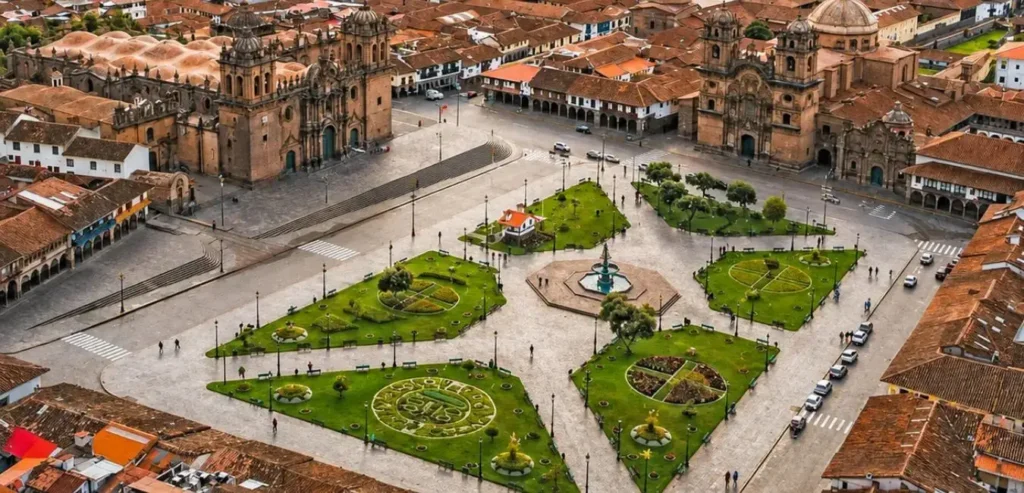
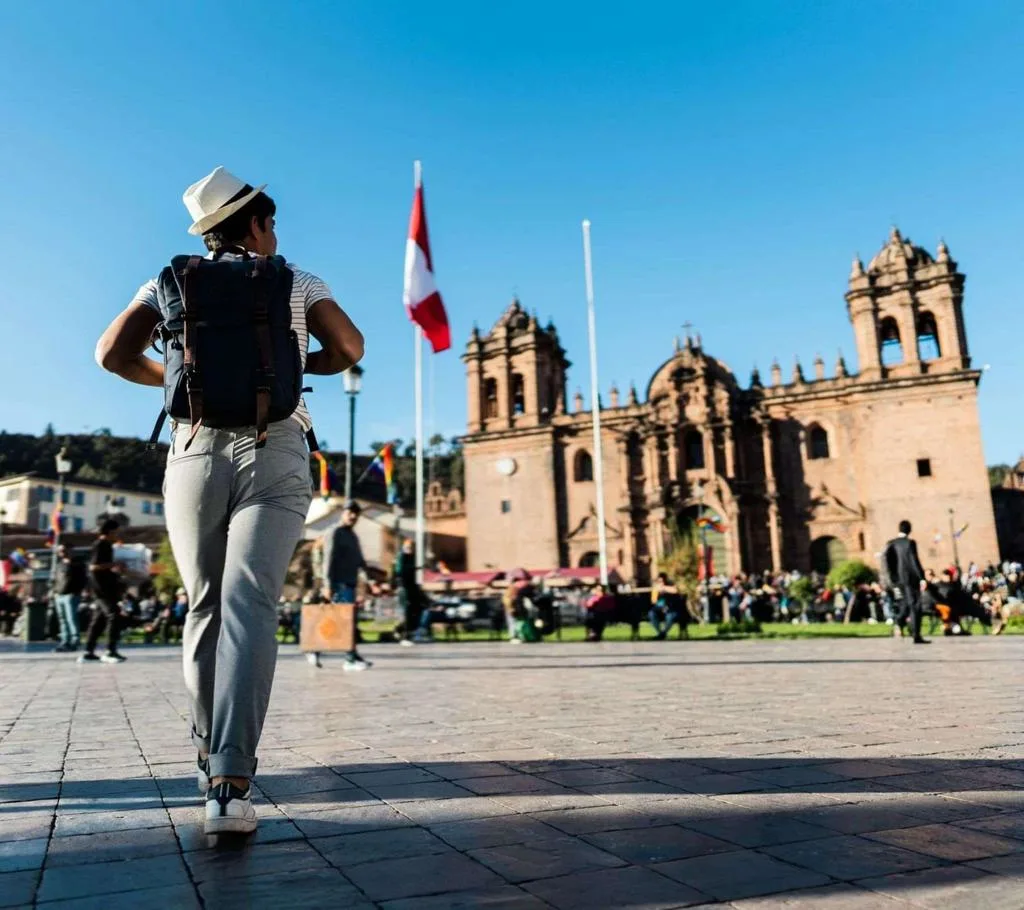
Plaza de Armas is the natural starting point for discovering Cusco city center. Arcaded buildings, churches, gardens, and surrounding hills create an impressive setting, especially in early morning light. Walk around the square before entering individual attractions to understand the layout of the historic district. Return after sunset for illuminated architecture and a different atmosphere, while keeping valuables secure in crowded areas.
2. Visit Cusco Cathedral
Cusco Cathedral introduces the city’s colonial religious art and the interaction between European and Andean visual traditions. Inside, carved woodwork, paintings, and elaborate altars reward a slower visit. Entry arrangements are separate from the standard Cusco Tourist Ticket, so check admission details before arriving. Dress respectfully, follow photography restrictions, and remember that the cathedral remains a place of worship.
3. Discover Qorikancha
Qorikancha, also spelled Coricancha, was one of the Inca Empire’s most important religious complexes. Its finely fitted stone walls demonstrate the precision of Inca construction, while the later convent illustrates the transformation of Cusco after the Spanish conquest. Pay attention to the contrast between architectural styles. Entry to the main complex is separate from the similarly named site museum associated with some tourist-ticket coverage.
4. Wander Through San Blas
San Blas is known for sloping lanes, artisan workshops, small plazas, and hillside views. It is particularly rewarding for travelers who enjoy exploring without a rigid checklist. Browse locally made crafts, pause in a courtyard, and notice the changing perspectives as you climb. Because the neighborhood involves uphill walking, visit gradually and take breaks rather than treating it as an arrival-day workout.
5. Walk Around San Pedro Market
San Pedro Market offers an introduction to regional ingredients and everyday commerce. Stalls display potatoes, grains, fruit, bread, flowers, and prepared meals, making it useful for understanding Andean food culture. Ask before photographing vendors and carry small denominations for purchases. If eating inside, choose freshly cooked dishes served hot, and be cautious with untreated water, ice, and raw foods.
6. See Sacsayhuamán
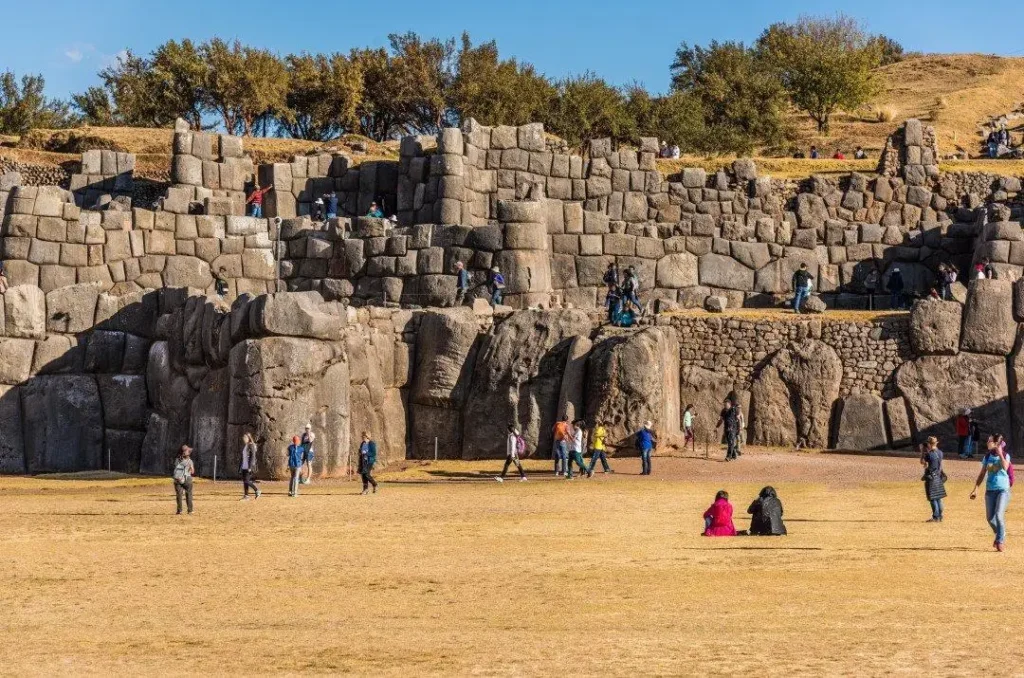
Sacsayhuamán overlooks Cusco and is famous for its immense stone walls, whose irregular blocks fit together with remarkable precision. Walking through the complex helps reveal the scale of Inca engineering beyond the city’s narrow streets. The exposed setting can feel sunny, windy, and cool in quick succession. Bring water and sun protection, and consider arriving by vehicle before walking around the site.
7. Explore Nearby Archaeological Sites
Qenqo, Puka Pukara, and Tambomachay are commonly visited alongside Sacsayhuamán. Each offers a different perspective on the ceremonial, administrative, and water-related landscapes surrounding Cusco. They are smaller than some regional attractions, but their value increases with historical context. A half-day route can work well after acclimatization, provided you allow time to explore rather than stopping only for photographs.
8. Try Traditional Cusco Food
Sampling regional dishes is one of the most enjoyable things to do in Cusco. Look for quinoa soups, corn-based preparations, trout, slow-cooked stews, and seasonal produce. Cuy and alpaca also appear on local menus, although neither is essential to enjoying the cuisine. Eat lighter meals initially if altitude affects your appetite, and tell food providers clearly about allergies or dietary restrictions.
9. Learn About Andean Textiles
Textile traditions offer a connection to regional identity, community knowledge, and practical mountain life. A weaving demonstration can explain fiber preparation, natural dyes, and patterns that are otherwise easy to overlook while shopping. Ask where an item was made and what materials it contains. Handmade textiles vary widely in quality and price, so prioritize transparent explanations over broad authenticity claims.
10. Take a Sacred Valley Day Trip
A Sacred Valley day trip expands your understanding of Cusco’s wider cultural landscape. Pisac, Ollantaytambo, Chinchero, and Moray are common destinations, but seeing everything in one day creates long drives and brief visits. Choose a geographically sensible route with two or three principal stops. If your schedule allows, staying overnight in the valley can reduce backtracking and support a slower travel pace.
Things to Do in Cusco City Center
The best things to do in Cusco city center fit into a flexible walking route linking Plaza de Armas, nearby historic streets, Qorikancha, and San Pedro Market. Along the way, look for original Inca walls incorporated into later buildings. The famous twelve-angled stone is a popular stop, but quieter streets also reveal impressive masonry. Avoid touching or leaning against protected stonework.
Leave room for smaller museums, church interiors, and courtyards rather than scheduling continuous movement. Central Cusco is compact, yet uneven paving, traffic, steps, and altitude can make short distances more demanding than expected. Supportive shoes are more useful than fashionable footwear, and a central accommodation base makes it easier to return for a midday rest.
Unique Things to Do in Cusco
Unique things to do in Cusco include hands-on cooking sessions, small-group textile workshops, and guided visits focused on architecture or living traditions. These experiences can offer more depth than another broad sightseeing circuit. Choose activities that explain who leads the experience, how local participants are compensated, and whether the interaction is genuinely welcomed rather than staged primarily for photographs.
Photography walks, regional produce tastings, and community-led cultural visits are other possibilities. Seasonal celebrations can be memorable, but visitors should treat religious ceremonies and public festivities with respect. Ask before photographing individuals, do not interrupt rituals, and remember that traditional clothing and cultural practices are part of everyday identity, not simply tourist attractions.
Cusco Sightseeing: Planning a Balanced Route
Effective Cusco sightseeing depends on grouping attractions by location and physical effort. Explore the flatter central streets first, then visit hillside neighborhoods and archaeological sites when you feel comfortable. Reserve indoor attractions for rainy periods where possible, and keep some flexibility for closures or local events. A shorter route explored thoughtfully usually provides more value than a crowded schedule dominated by transfers.
Cusco Travel Guide Itinerary: One-Day and Three-Day Plans
What to See in Cusco in One Day
If you have only one day in Cusco, concentrate on the historic center rather than attempting a regional excursion. Start at Plaza de Armas, visit either the cathedral or Qorikancha, and continue through streets lined with Inca masonry. Have an unhurried lunch before exploring San Pedro Market or a small museum. This approach provides variety without requiring excessive transport or walking.
In the afternoon, visit San Blas if you are already acclimatized and comfortable with uphill streets. Otherwise, remain around the center and enjoy a relaxed meal with local dishes. Travelers arriving that morning should reduce the plan further. One day is enough for an introduction to Cusco, but it is not enough to combine meaningful city sightseeing with Machu Picchu.
- Morning: Plaza de Armas and one major historic attraction.
- Midday: Lunch, a rest, and a market visit.
- Afternoon: San Blas or a lower-effort museum stop.
- Evening: A short central walk and an early dinner.
What to Do in Cusco for 3 Days
Three days allow a more satisfying combination of city attractions and nearby landscapes. This itinerary assumes Cusco is your base and treats Machu Picchu as a separate extension. If your three days must include Machu Picchu, you will need to remove other activities and carefully coordinate transport and timed admission. Avoid adding strenuous high-altitude excursions simply because a spare slot appears available.
Day 1: Historic Center and Gentle Acclimatization
Spend your first day around Plaza de Armas, nearby Inca walls, and one indoor attraction. Keep meals moderate, drink regularly, and take breaks when needed. Visit San Pedro Market if you feel well, but postpone steep neighborhood walks. The objective is to enjoy an introduction to Cusco while observing how your body responds to the elevation, not to complete the entire attraction list.
Day 2: Archaeological Sites and San Blas
Visit Sacsayhuamán in the morning, adding nearby archaeological sites according to your interests and energy. A guide can help explain the broader setting and distinguish evidence from speculation. After lunch, return to Cusco for San Blas, artisan workshops, and a relaxed walk. Keep the evening flexible, especially if the next day involves an early departure for the Sacred Valley.
Day 3: Sacred Valley Exploration
Use your third day for a focused Sacred Valley itinerary. Pair Pisac with nearby cultural stops, or choose a route centered on Chinchero, Moray, and Ollantaytambo, allowing for actual driving times. Do not assume every attraction shares the same ticket. If continuing toward Machu Picchu, consider ending your day near your onward departure point rather than automatically returning to Cusco.
Cusco Tours and Travel Agencies: Choosing the Right Support
Cusco Travel Agencies
Cusco travel agencies can arrange day trips, transport, trekking logistics, accommodation combinations, and Machu Picchu excursions. Compare written itineraries rather than headline prices. A clear proposal should identify included entrance tickets, transport type, group size, meal arrangements, pickup location, cancellation conditions, and any required deposits. For activities involving specific routes or permits, confirm exactly what has been reserved in your name.
Be cautious about vague promises, rushed payment requests, or itineraries that combine distant attractions without realistic travel time. Ask what happens during weather disruption, road closures, or missed connections. For trekking, discuss emergency procedures, staff conditions, and equipment. The cheapest offer is not necessarily the best value if essential tickets, transfers, or safety provisions are excluded.
Cusco Local Guides
Cusco local guides can add context that is difficult to obtain from signs alone, particularly at archaeological sites and in neighborhoods with layered histories. Look for relevant credentials, language proficiency, and experience suited to your interests. A family sightseeing walk requires a different approach from a specialist archaeology visit or a demanding mountain trek. Agree on duration, meeting points, and fees beforehand.
Cusco Travel Tours
Cusco travel tours generally fall into city tours, Sacred Valley excursions, food and craft experiences, trekking trips, and Machu Picchu packages. Shared tours can reduce costs, while private tours usually allow more control over pace and stops. Before booking, distinguish time spent at attractions from total excursion length. A long advertised day may include substantial driving, pickups, or shopping stops rather than additional sightseeing.
Cusco Tourist Ticket: Coverage and Value
Cusco Tourist Ticket
The Cusco Tourist Ticket provides access to a defined selection of archaeological sites, museums, and cultural attractions. Options commonly include a broader ticket and partial tickets covering particular circuits. Coverage, validity periods, eligibility for reduced rates, and purchase conditions should be checked before travel. Do not assume a ticket remains valid for your entire stay or includes every attraction carrying the Cusco name.
Important exclusions generally include Machu Picchu, Cusco Cathedral, and the main Qorikancha complex. The Maras salt pans also require separate admission. Build your itinerary first, then compare the applicable ticket options. Carry identification when purchasing or using discounted admission, and retain the physical ticket if issued because it may be needed at each included attraction.
Is the Cusco Tourist Ticket Worth It?
The Cusco Tourist Ticket is usually most useful when your itinerary includes several covered sites, especially across Cusco’s outskirts and the Sacred Valley. Its value depends on the attractions you will actually visit within the allowed period. Travelers spending only a few hours in the historic center may find less benefit, particularly if their priorities are separately ticketed churches, Qorikancha, markets, and neighborhood walks.
- Broader sightseeing: Compare the comprehensive option with your complete route.
- One concentrated circuit: Check whether a partial ticket matches your plans.
- Short central stay: Confirm whether you need the tourist ticket at all.
- Guided excursion: Ask whether admission is included or paid separately.
Machu Picchu Planning From Cusco
Do You Need a Tour Guide for Machu Picchu?
A qualified guide is strongly recommended for understanding Machu Picchu, but that recommendation is separate from the applicable entry requirement. Guiding rules and enforcement can change, so verify the current official conditions for your visit date and ticket rather than relying on older traveler reports. Confirm whether your booking includes a guide, where you will meet, and which circuit the guiding service covers.
Machu Picchu admission is tied to a selected route or circuit and entry time, so buying a ticket does not necessarily grant access to every viewpoint or additional mountain walk. Coordinate admission with train schedules, transfers, and overnight accommodation. Carry the identification associated with your reservation. Cusco and Machu Picchu are not adjacent, and rushed connections leave little protection against delays.
Essential Cusco Travel Tips
Cusco Altitude: Acclimatization and Health
Cusco’s elevation can cause altitude illness even in fit travelers. Take the first day slowly, avoid strenuous exercise and alcohol initially, and consider medical advice before travel if you have relevant health conditions. Headache, nausea, fatigue, and dizziness can signal altitude sickness. Do not ascend higher while symptomatic. Worsening symptoms require medical assessment; breathlessness at rest, confusion, or difficulty walking are emergencies requiring urgent help and descent.
Best Time to Visit Cusco
The drier period generally runs from May through September, offering favorable conditions for walking and outdoor sightseeing, although nights can be cold and popular dates busy. November through March is typically wetter, with greener landscapes and greater potential for transport disruption. April and October can offer mixed conditions. Mountain weather remains variable in every season, so pack waterproof protection rather than relying entirely on seasonal averages.
Where to Stay and How to Get Around
Staying near the historic center makes restaurants, museums, and major landmarks easier to reach on foot. San Blas offers atmosphere and views, but its slopes and steps may be inconvenient with luggage or limited mobility. For longer trips, use arranged transport or clearly identified taxi services, confirming the fare beforehand. Ask about vehicle access to your accommodation because some historic streets have restrictions.
What to Pack for Cusco
Pack layers, a warm outer garment, rain protection, comfortable walking shoes, sunscreen, a hat, and a reusable water bottle filled with safe drinking water. A small daypack helps carry essentials without adding unnecessary weight. Bring required identification and accessible reservation details for timed attractions. With sensible pacing and realistic expectations, Cusco becomes more than a gateway: it becomes a rewarding destination in its own right.
Leave a Reply